

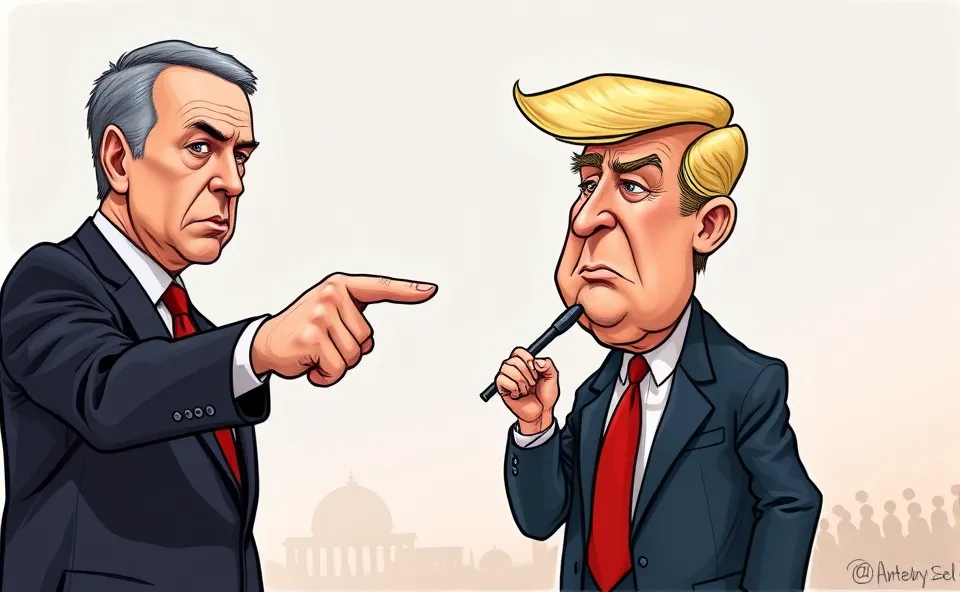
Rahm Emanuel Sounds the Alarm on Trump’s Iran Deal
Things are heating up in the world of American politics and foreign policy, and it looks like former White House Chief of Staff Rahm Emanuel has some strong opinions about a potential deal Donald Trump might be cooking up with Iran. He’s pretty vocal, calling it a “national security mess.” This isn’t just political chatter; it touches on serious stuff like international relations and the stability of the Middle East.
Why This Buzzing Now: A Presidential Candidate’s Bold Moves
You’re hearing about this now because, let’s face it, Donald Trump is a presidential candidate. When a major candidate proposes or hints at a significant shift in foreign policy, especially concerning a country like Iran, it immediately grabs headlines and sparks debate. People are naturally curious and concerned about how such a deal could reshape the geopolitical landscape. Rahm Emanuel, known for his sharp political insights and experience in high-level government, stepping forward with such strong criticism means this isn’t a topic to ignore. It’s about understanding the potential implications of a major presidential candidate’s foreign policy ideas, particularly when they involve complex issues like the Iran conflict.
A Look Back: The Long Shadow of Iran Relations
To really get why Rahm Emanuel is so concerned, we need to rewind a bit. The relationship between the United States and Iran has been incredibly complicated for decades. Think of it like a really tangled knot that no one has been able to fully untie. For a long time, there’s been a lot of tension, sanctions, and a general distrust. The US has been worried about Iran’s nuclear program and its influence in the Middle East.
During the Obama administration, there was a significant effort to negotiate a deal, known as the Joint Comprehensive Plan of Action or JCPOA, which aimed to limit Iran’s nuclear activities in exchange for sanctions relief. It was a huge diplomatic undertaking, and it had its share of critics and supporters. Trump, however, pulled the US out of that deal and reimposed tough sanctions, creating a new set of challenges and pushing the two countries further apart.
So, when Emanuel talks about Trump and Iran, he’s not just talking about a one-off agreement. He’s talking about a history of deep-seated issues, failed attempts at diplomacy, and the ongoing struggle to find a stable footing in a volatile region. The idea of a new “ceasefire deal,” as it’s being discussed, brings all these past anxieties and unresolved problems to the forefront. It makes you wonder what kind of terms Trump might be considering, and whether they could truly address the core concerns that have plagued US Iran relations for so long.
What This Means for the Big Picture and You
Okay, so why should you care about this kind of talk between Rahm Emanuel and Trump about Iran? It’s more than just political drama. This stuff has real-world consequences that can ripple outwards.
- Global Stability: Deals or lack thereof with Iran directly impact the stability of the Middle East. This region is a major hub for global energy, and any significant shifts can affect oil prices, which, in turn, impact your wallet at the gas pump and the cost of goods.
- American Politics: As a presidential candidate, Trump’s foreign policy stances are crucial. They show voters what kind of leader he would be on the international stage. Emanuel’s criticism highlights the deep divisions within American politics on how to handle complex international relations.
- Geopolitical Strategy: This isn’t just about two countries. It’s about alliances, rivalries, and the overall balance of power. A different approach to Iran could alienate allies, embolden adversaries, or create new partnerships. It’s a complex chess game, and the moves made here affect everyone.
- Business and Markets: For businesses, especially those involved in international trade or energy, uncertainty around US Iran policy can create volatility. Investors often react to major foreign policy shifts, and this can influence stock markets and investment strategies.
Essentially, when high-profile figures like Rahm Emanuel weigh in on such sensitive foreign policy issues related to Trump and Iran, it’s a signal that the stakes are high. It’s a reminder that decisions made in the corridors of power can have tangible effects on our daily lives, the economy, and the safety of regions far beyond our borders.
What Comes Next: Navigating the Uncharted Waters
Looking ahead, the situation with Trump’s potential Iran deal and Rahm Emanuel’s sharp critique suggests a period of continued debate and uncertainty. If Trump were to pursue such a deal, we’d likely see a strong pushback from critics like Emanuel, who would demand transparency and thorough vetting. The international community, including allies who were part of the original JCPOA, would also be watching closely.
We might see several paths unfold:
- Intensified Diplomacy or Stalemate: A real deal could lead to a new era of negotiations, or it could result in a complete breakdown, potentially leading to increased tensions.
- Domestic Political Battle: The debate over the deal would become a central issue in the upcoming presidential election, with different candidates offering contrasting visions for US foreign policy.
- Regional Repercussions: The countries in the Middle East would likely adjust their own strategies based on the outcome, potentially leading to shifts in regional alliances and security arrangements.
What’s clear is that any move made by a presidential candidate on a matter as sensitive as Iran will have significant consequences. The conversation started by Rahm Emanuel is just the beginning of what will likely be a long and complex discussion about the future of US Iran relations and America’s role in the Middle East.
Frequently Asked Questions
What is Rahm Emanuel’s main concern about Trump’s Iran ceasefire deal?
Rahm Emanuel is very concerned that any ceasefire deal Donald Trump might pursue with Iran could create a “national security mess” for the United States, suggesting it could undermine existing foreign policy objectives and potentially destabilize the Middle East.
Why is the Iran situation so important in American politics?
Iran has been a complex and often contentious issue in American politics for decades. Different administrations have approached it with varying strategies, from sanctions to diplomatic agreements like the JCPOA. As a presidential candidate, Trump’s stance on Iran is a key part of his foreign policy platform, and it sparks debate about how the US should engage with a major regional power.
What does a “ceasefire deal” with Iran typically involve?
Historically, discussions around deals with Iran have focused on its nuclear program, missile development, and its regional activities. A ceasefire deal, in this context, could imply an agreement to de-escalate military tensions or a broader understanding that addresses multiple facets of the conflict, though the specifics are usually highly debated.
How does the US relationship with Iran affect the Middle East conflict?
The US-Iran dynamic is central to the ongoing Middle East conflict. Iran is a significant player, often supporting various factions in proxy conflicts. US foreign policy towards Iran, whether confrontational or cooperative, directly influences the balance of power, the stability of nations like Iraq and Syria, and the ongoing Israeli Palestinian conflict.
What is the historical context of US Iran foreign policy that Rahm Emanuel is referencing?
Rahm Emanuel is likely referencing a long and complicated history, including the 1979 revolution, the Iran hostage crisis, the US withdrawal from the JCPOA under Trump, and ongoing tensions over Iran’s nuclear ambitions and regional actions. His criticism implies that past approaches and their outcomes inform his view on Trump’s potential new deal.











