

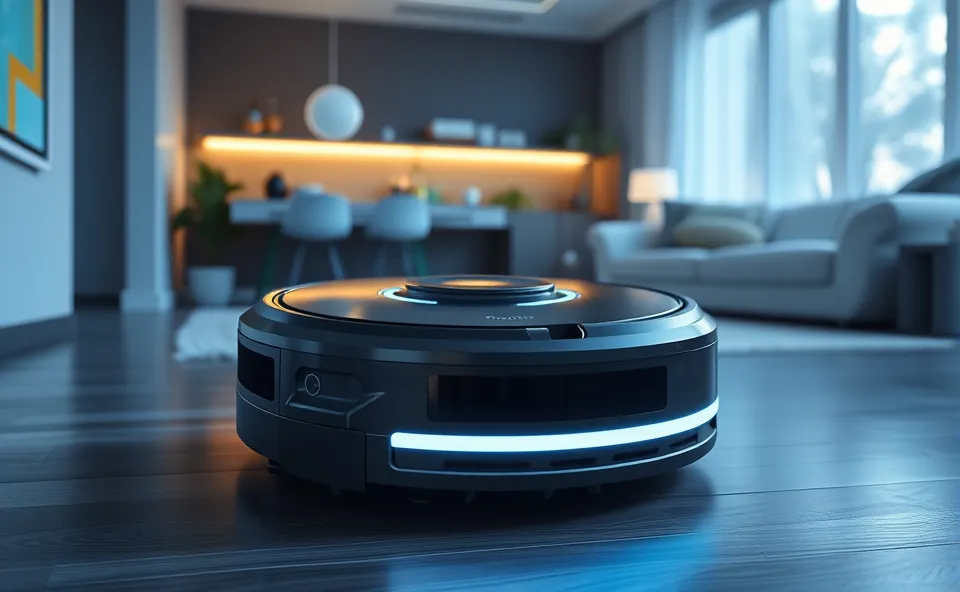
The Little Robot That Could Clean Our Floors
Remember when vacuuming was just… vacuuming? You’d haul out the clunky machine, wrestle with the cord, and spend precious time pushing it back and forth. Then, along came Roomba. It’s not just a vacuum; it’s a little disc of pure wizardry that zips around your house, cleaning your floors all by itself. This wasn’t just a new gadget; it was the start of something big, sparking a whole new industry for robot vacuums and changing how we think about keeping our homes tidy. It’s the story of how a simple idea grew into a full-blown robot revolution in our living rooms.
Why Are We Talking About Roomba Again?
You might be wondering why the humble Roomba is back in the spotlight. Well, it’s a mix of things. For starters, technology marches on, and Roomba has been right there, getting smarter and more capable. Newer models have advanced navigation, better suction, and can even empty themselves. Plus, the whole idea of a smart home is really taking off. People are investing more in home automation, and a robot vacuum that handles a chore like cleaning fits perfectly into that vision. It’s become a symbol of that effortless, futuristic living we all aspire to. The continued innovation and the growing appeal of smart home devices keep Roomba and the entire robot vacuum market buzzing.
From Sci-Fi Dreams to Your Living Room Floor
To truly appreciate what Roomba did, we need to rewind a bit. The idea of robots doing our chores isn’t new; it’s been a staple of science fiction for decades. But making it a reality for everyday people was a huge challenge. That’s where iRobot, the company behind Roomba, and its co-founder Colin Angle come in. They weren’t just building a product; they were pioneering consumer robotics. Back in the early 2000s, the first Roomba models were basic. They bumped into furniture, got stuck easily, and didn’t always cover the whole room. But even with their limitations, they were revolutionary. They proved that a robot could actually be useful in the home, performing a task that most people found tedious. This early work laid the foundation for everything that followed, showing that a robot revolution in the home was not just possible, but practical.
More Than Just a Clean Floor: The Roomba Effect
The impact of Roomba has been nothing short of transformative. For consumers, it’s meant more free time. Instead of spending an hour vacuuming, you can relax, work, or play while Roomba does the hard work. It’s especially a game-changer for people with busy schedules, mobility issues, or even just a strong dislike for cleaning. Beyond convenience, Roomba became a gateway drug to the smart home. Once people experienced the magic of an automated device like a robot vacuum, they started looking for other ways to make their lives easier through technology. For the tech industry, Roomba proved there was a massive market for consumer robotics. It spurred incredible tech innovation, encouraging other companies to develop their own automated cleaning solutions and contributing to the rapid growth of smart home devices. iRobot itself became a leader, constantly pushing the boundaries of what a robot vacuum could do, from improving navigation algorithms to developing advanced sensor technology.
The Road Ahead for Our Robotic Helpers
So, what’s next for Roomba and the robot vacuum world? The future looks even more integrated and intelligent. We’re already seeing robot vacuums that can map your home with incredible detail, avoid specific objects, and even tackle different floor types with specialized settings. Expect them to become even more intuitive, perhaps learning your cleaning habits and adapting automatically. The trend towards home automation suggests that robot vacuums will likely work more seamlessly with other smart home devices. Imagine your robot vacuum starting its cycle when you leave for work and your smart lights dimming automatically. We might also see more specialized robotic helpers for different tasks, but the Roomba’s pioneering role in making automated cleaning a reality has definitely paved the way for that broader robot revolution in our homes.
Your Questions About the Robot Vacuum Revolution Answered
What exactly is a Roomba robot vacuum?
A Roomba robot vacuum is an autonomous cleaning device made by iRobot. It’s designed to move around your home on its own, using sensors to navigate and clean floors without direct human control, kicking off the robot revolution in home cleaning.
Why is Roomba considered a pioneer in robot history?
Roomba was one of the first widely successful consumer robots. It demonstrated the practical application of robotics in everyday life, specifically for automated cleaning, and essentially created the market for robot vacuums. This tech innovation inspired much of the later development in consumer robotics.
How has the Roomba impacted the smart home devices market?
Roomba helped popularize the concept of home automation. By showing consumers the convenience of a smart device handling a chore, it opened the door for wider acceptance and adoption of other smart home devices, making the connected home a more tangible reality.
What role did iRobot co-founder Colin Angle play in Roomba’s success?
As a key figure at iRobot, Colin Angle was instrumental in developing and bringing Roomba to market. His vision and leadership were crucial in navigating the challenges of creating a new product category and making robot vacuums a mainstream technology.
Is the Roomba the only robot vacuum available, or is there a whole robot revolution happening?
While Roomba was the groundbreaking product, its success sparked a massive robot revolution. Many other companies now produce robot vacuums, offering a wide range of features and price points. The market is now very competitive, with continuous advancements in automated cleaning technology.











