

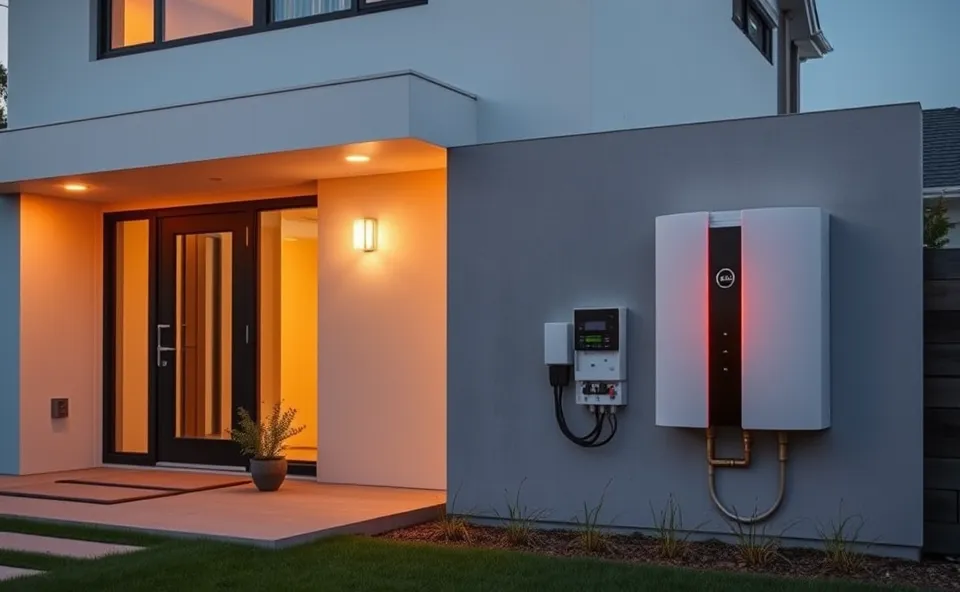
Thinking About a Home Battery? Let’s Break It Down
You’ve probably heard the buzz around home batteries, and maybe you’re wondering what all the fuss is about. Essentially, a home battery is like a giant rechargeable battery for your house. It stores energy, usually from your solar panels or the grid, and you can use that stored energy whenever you need it. Think of it as a super-smart power backup and energy management system all rolled into one. It’s a pretty exciting piece of technology that’s becoming more accessible for everyday homeowners.
Why the Sudden Interest in Home Energy Storage?
The surge in interest in home batteries isn’t out of the blue. Several factors are converging to make this technology a hot topic. For starters, renewable energy, especially solar power, has become much more common. As more people install solar panels, they’re realizing that they don’t always use all the energy they generate during the day. A home battery lets them store that excess solar power for use at night or when the sun isn’t shining, making their solar investment work harder. Plus, with increasingly unpredictable weather and concerns about grid reliability, having a reliable backup power source is a huge draw. People want peace of mind knowing they won’t be left in the dark during an outage. It’s about taking more control over your energy usage and costs.
A Little Background on Battery Storage
Battery storage for homes isn’t entirely new, but the technology has come a long way. Historically, large battery systems were complex and expensive, often limited to industrial applications. However, advancements in battery chemistry and manufacturing have made them more efficient, safer, and affordable. The integration of smart home technology also plays a crucial role. These systems can intelligently manage energy flow, deciding when to charge from the grid or solar, when to discharge to your home, and even when to sell excess energy back to the utility company in some areas. This evolution has moved home battery systems from a niche luxury to a practical solution for many households looking to enhance their energy independence and reduce their carbon footprint.
What Does This Mean for Your Home and Your Wallet?
The impact of a home battery on your daily life can be significant. The most obvious benefit is backup power. Imagine a storm knocks out the grid; with a home battery, your lights, refrigerator, and essential appliances stay on. This provides invaluable comfort and security. Beyond backup power, these systems can help you save money. By storing cheaper energy from the grid during off-peak hours or excess solar energy that might otherwise be lost, you can reduce your reliance on expensive peak-time electricity. This can lead to lower monthly energy bills. For those with solar panels, a home battery maximizes their renewable energy investment, allowing them to consume more of their own clean energy. It also opens up possibilities for more advanced smart home integrations, helping you manage your energy use more efficiently and even potentially support electric vehicle charging.
What’s Next for Home Battery Systems?
Looking ahead, home battery systems are likely to become even more integrated and sophisticated. We can expect to see smarter software that optimizes energy usage based on real-time electricity prices, weather forecasts, and your personal habits. As battery technology continues to improve, costs are likely to decrease further, making them accessible to an even wider audience. The synergy between home batteries, solar panels, and electric vehicles will become even stronger, creating truly integrated home energy ecosystems. Utilities might also play a more active role, encouraging homeowners to use their batteries to help stabilize the grid during peak demand. It’s a future where your home is not just a consumer of energy but an active participant in the energy landscape.
Got Questions About Home Batteries? We’ve Got Answers
What is the typical home battery installation process?
The home battery installation process usually starts with an assessment of your energy needs and existing setup, especially if you have solar panels. A professional installer will then determine the right size and type of battery for your home. The installation itself typically involves mounting the battery unit, connecting it to your electrical panel and, if applicable, your solar inverter. The installer will also set up the necessary software and ensure everything is communicating properly. It’s a process best handled by certified professionals for safety and efficiency.
How much does a home battery cost in 2026?
The home battery cost can vary widely depending on the brand, capacity, and features. As of now and looking towards 2026, you can expect the cost for the battery unit itself to range from several thousand dollars to over ten thousand dollars. This doesn’t include the installation, which can add a few thousand more to the total price. Keep in mind that prices are expected to continue evolving with technological advancements and market competition.
What are the main benefits of a solar battery system?
A solar battery system offers several key benefits. It allows you to store excess solar energy generated during the day for use at night or on cloudy days, increasing your energy independence and self-consumption. It provides reliable backup power during grid outages, ensuring your essential appliances keep running. It can also help you save money by reducing your reliance on grid electricity, especially during peak hours, and potentially allowing you to participate in grid services programs.
What should I consider before buying a home energy storage system?
Before investing in a home energy storage system, consider your energy usage patterns and how much backup power you truly need. Evaluate your current electricity rates and if you have solar panels. Research different battery brands and their warranties. It’s also crucial to understand the total cost, including installation and any potential permitting fees. Finally, check for any local incentives or tax credits that might reduce the overall home battery cost.
Can a home battery be used for electric vehicle charging?
Yes, in many cases, a home battery can support electric vehicle charging. The stored energy in the battery can be used to charge your electric vehicle, especially if you have excess solar energy or have charged the battery during off-peak hours. This allows you to charge your EV with cleaner energy and potentially at a lower cost than using grid power directly during peak times, enhancing the overall benefits of both your home battery and your EV.











