

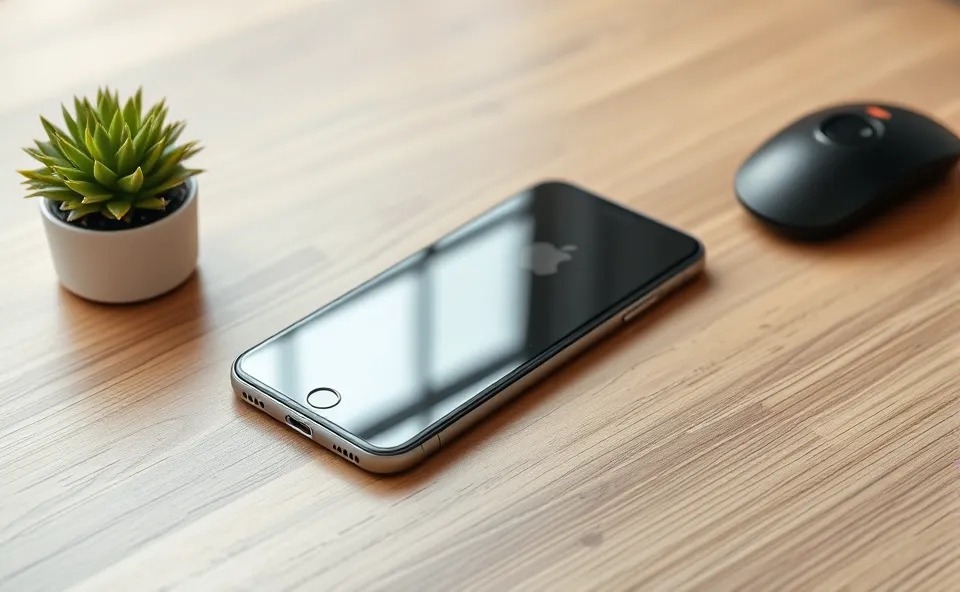
The Smarter Way to Get an iPhone
For a long time, the tradition was simple. Every September, Apple would reveal a new model, and millions of people would rush to buy the latest version. But lately, a new trend has taken over. Instead of chasing the newest release, more people are choosing the path of buying a used iPhone. This shift is not just about saving a few dollars. It is a change in how we think about technology and value.
When we talk about a used iPhone, we are usually looking at two different paths. First, there is the peer to peer market, where you buy directly from another person. Second, there is the refurbished iPhone route. Refurbished devices are pre-owned phones that have been inspected, cleaned, and sometimes repaired by a professional. They often come with a limited warranty, making them a middle ground between a brand new device and a total gamble.
The idea is simple. You get a device that looks and acts like new, but you do not pay the premium price that comes with breaking the seal on a fresh box. For most of us, the difference between a phone released this year and one released two years ago is barely noticeable in daily use. By opting for second hand tech, you get the high end experience without the financial stress.
Why Everyone is Looking at Pre-Owned Phones
You might wonder why this is becoming so popular right now. The biggest driver is quite obvious: Apple price hikes. Over the last few years, the cost of a flagship smartphone has climbed steadily. It is now common to see top tier models costing over a thousand dollars. For many people, that is simply too much to spend on a gadget that might be outdated in twenty four months.
At the same time, the gap in performance between generations has shrunk. A few years ago, a new phone felt twice as fast as the old one. Today, the jumps are smaller. The camera is slightly better, the screen is a bit brighter, and the processor is a little faster, but it does not change the way you use the phone. Whether you are scrolling through social media, sending emails, or taking photos, a two year old model handles it all with ease.
People are also becoming more mindful of their spending. With inflation affecting everything from groceries to rent, the desire to save money on iPhone purchases has grown. Instead of locking themselves into a two year payment plan with a carrier, savvy buyers are finding that they can own a high quality device outright for a fraction of the cost.
How iPhones Became Built to Last
To understand why buying a used iPhone works so well, we have to look at how Apple builds its products. In the early days of smartphones, a device would feel sluggish after a year or two. Software updates would slow down older hardware, forcing users to upgrade. Things have changed significantly.
Modern iPhones are designed for smartphone longevity. The hardware is incredibly robust, and the chips are so powerful that they stay relevant for years. The real secret, however, is iOS support. Apple is famous for providing software updates to devices that are many years old. When a new version of iOS drops, it is usually compatible with models from five or six years ago.
This long term support is a game changer for the second hand market. It means that if you buy a used iPhone from three years ago, you are not buying a dead end. You are buying a device that will still receive the latest security patches and new features. This creates a reliable ecosystem where the value of the hardware does not plummet the moment it leaves the store.
The Big Win for Your Wallet and the Planet
Choosing a pre-owned device has a ripple effect that goes beyond your bank account. First, let us talk about the practical side of saving. When you avoid the retail price, you can often afford a higher tier model than you would have otherwise. Instead of buying a base model new, you might be able to afford a Pro model from a previous generation, giving you a better camera and a nicer screen for the same price.
There is also a huge environmental impact. Electronics sustainability is a growing concern as we deal with mountains of e-waste. Every time someone buys a used phone, they are extending the life of a device that already exists. This reduces the demand for mining rare minerals and lowers the carbon footprint associated with manufacturing a new piece of hardware. It is a simple way to be more eco friendly without sacrificing quality.
If you are planning to jump into the used market, you need to do it safely. Here are a few tips to ensure you get a great deal without the drama:
- Check the Battery Health: Go to settings and check the maximum capacity. If it is below 80 percent, you might need to budget for a battery replacement.
- Verify the iCloud Lock: Never buy a phone that is still linked to someone else’s Apple ID. If the Find My iPhone feature is on and the seller cannot turn it off, the phone is essentially a brick.
- Inspect the Physical Condition: Look closely at the screen for scratches and the charging port for wear. Check the buttons to make sure they click properly.
- Test the IMEI: Use an online checker to make sure the device has not been reported as lost or stolen.
- Try the Cameras: Open the camera app and test every lens. Make sure there are no spots or blurriness.
Many people also use a gadget trade-in strategy. They buy a used phone, use it for a year, and then trade it back in. Because iPhones hold their value so well, the loss in value is much smaller than it would be with other brands.
The Shift Toward a Circular Tech Economy
Looking ahead, the way we buy electronics is likely to change even more. We are moving toward a circular economy where the life of a product does not end when the first owner is done with it. We will likely see more official certification programs for used gear. Apple has already started this with their own refurbished store, but other retailers are expanding their offerings too.
As smartphones become even more like commodities, the status symbol of having the latest model will likely fade. The focus will shift toward utility and sustainability. We can expect to see better tools for verifying the health of used devices, making it even easier for the average person to buy second hand with total confidence.
In the end, the goal is to have a tool that helps you stay connected and productive. When you realize that a used iPhone can do 99 percent of what a brand new one can do, the choice becomes easy. It is a win for your budget, a win for the planet, and a smart way to manage your tech.
Common Questions About Buying Used iPhones
Is it safe when buying a used iPhone from a stranger?
It can be safe if you take the right precautions. Always meet in a public place and thoroughly test the device. Ensure the iCloud account is removed and check the IMEI number to confirm the phone is not stolen. If you feel uncomfortable, look for a refurbished iPhone from a reputable dealer instead.
Will a used iPhone still get software updates?
Yes, in most cases. Apple is known for excellent iOS support. Most iPhones continue to receive major updates for five to seven years after their release date. As long as you do not buy a very ancient model, you should be able to run the latest software.
What is the difference between a used and a refurbished iPhone?
A used iPhone is typically sold as is by a previous owner. A refurbished iPhone has been tested, cleaned, and repaired by a professional. Refurbished devices often come with a warranty and a guarantee that the hardware is functioning correctly, which removes much of the risk.
How can I save money on iPhone purchases without sacrificing quality?
The best way is to look for models that are one or two generations old. These devices usually offer the best balance of price and performance. You can also look for gadget trade-in deals to lower the cost further or buy during seasonal sales from certified refurbished sellers.
Does buying second hand tech actually help the environment?
Yes. Electronics sustainability relies on keeping devices in use for as long as possible. By buying a used device, you reduce the need for new raw materials and prevent a functioning phone from ending up in a landfill. It is one of the most effective ways to reduce your personal tech waste.











