

The Strait of Hormuz: What’s Happening and Why It Matters
Imagine a vital highway, not for cars, but for the massive ships that carry everything we buy. That highway is the Strait of Hormuz, a narrow waterway that connects the Persian Gulf to the open ocean. It’s a critical choke point for global maritime trade, and when something disrupts it, the whole world feels the ripple. Recently, there have been serious concerns about a potential Strait of Hormuz blockade, leading to a significant number of cargo ships getting stuck. This isn’t just a shipping problem; it’s a massive economic story that affects all of us.
Why All the Buzz About Hormuz Right Now?
You’ve probably seen headlines or heard talk about the Strait of Hormuz lately. That’s because tensions in the region have escalated, raising fears of a potential trade blockade. This heightened geopolitical risk has put global maritime trade under a microscope. When the possibility of the Strait of Hormuz blockade becomes real, it immediately triggers anxieties about supply chain disruption. This isn’t just theoretical; the very real scenario of nearly 1,200 cargo ships being stranded highlights the fragility of our global trade routes. People are searching for this because the consequences are immediate and far reaching, impacting everything from the price of gas to the availability of goods on store shelves.
A Look Back: The Lifeline of Global Trade
The Strait of Hormuz has always been incredibly important for the flow of oil and goods. For decades, it’s been the main artery for a huge portion of the world’s oil supply, making it a linchpin of the global economy. Think of it as the narrow neck of a bottle through which a massive amount of global commerce must pass. Any interruption here sends shockwaves through maritime logistics. Historically, there have been periods of heightened tension, but the sheer scale of potential disruption from a full Strait of Hormuz blockade is something that always keeps governments and businesses on edge. Understanding its historical significance helps us grasp why even the threat of a blockage causes such widespread concern.
The Domino Effect: What a Hormuz Closure Means for Us
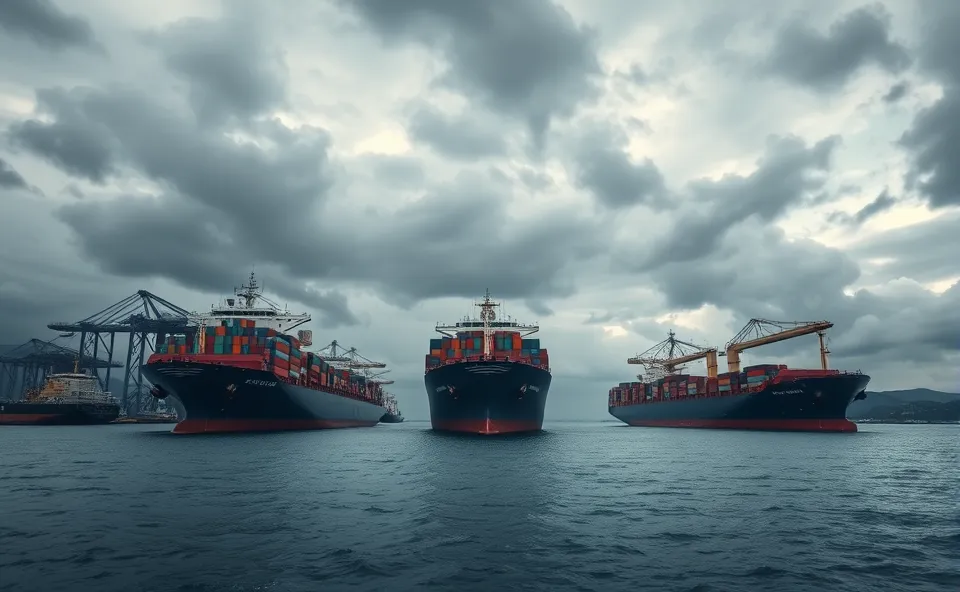
So, what happens when this vital shipping lane is threatened or blocked? The immediate impact is felt by the ships themselves. We’re talking about a staggering 1,200 cargo ships being stranded, which is a visual representation of the immense scale of the problem. This cargo ship congestion doesn’t just mean delays; it means:
- Supply Chain Disruption: Goods get stuck. This can range from vital components for manufacturing to finished products ready for consumers. Think about electronics, clothing, cars, and even essential food items. When these shipments are held up, it creates shortages and delays all down the line.
- Soaring Shipping Costs: When shipping routes are uncertain or blocked, the cost of moving goods skyrockets. This includes freight rates and, significantly, shipping insurance. Companies like Allianz, which are major players in this sector, closely monitor these risks. Increased insurance premiums are passed on to businesses, and ultimately, to consumers.
- Energy Price Volatility: Given that a significant amount of oil passes through the Strait of Hormuz, any disruption directly impacts global energy markets. Prices at the pump and for industrial energy consumption can become highly unpredictable, affecting the entire global economy.
- Economic Slowdown: When businesses can’t get their products to market, and costs for everything increase, economic growth slows down. This can lead to job losses and a general feeling of economic unease. The interconnected nature of global trade means that a problem in one critical area affects many others.
- Geopolitical Risk Multiplier: A Strait of Hormuz blockade isn’t just an economic event; it’s a major geopolitical risk. It can escalate tensions between countries and force international intervention, further complicating the situation for global maritime trade.
The ripple effects are felt far beyond the immediate vicinity of the strait. It’s a stark reminder of how dependent our modern lives are on the smooth functioning of international trade routes.
Looking Ahead: What Might Happen Next?
The situation surrounding the Strait of Hormuz is complex and can change rapidly. However, we can anticipate a few likely scenarios. Firstly, diplomatic efforts will likely intensify. Nations involved, as well as major global powers, will work to de-escalate tensions and find a peaceful resolution to prevent a full trade blockade.
Secondly, if tensions persist, expect to see further increases in shipping insurance costs. Insurers will factor in the elevated geopolitical risk, making it more expensive for ships to operate in or near the affected areas. This also impacts the overall cost of doing business.
Thirdly, businesses will continue to explore and implement strategies to mitigate supply chain disruption. This might involve diversifying shipping routes where possible, increasing inventory levels to buffer against delays, or even exploring alternative sourcing options. However, for critical commodities like oil, there are limited alternatives to the Strait of Hormuz in the short term.
Finally, ongoing monitoring of maritime logistics will be crucial. International bodies and private companies will closely track vessel movements, shipping insurance rates, and geopolitical developments to anticipate and react to any changes. While a full, sustained Strait of Hormuz blockade remains a grave concern, the global economy has a vested interest in maintaining the free flow of trade through this vital waterway.
Your Questions Answered About the Hormuz Situation
What exactly is the Strait of Hormuz blockade threat?
It refers to the potential for one or more countries to prevent or significantly hinder the passage of ships through the Strait of Hormuz. This could involve military action, mining the strait, or other disruptive tactics, effectively creating a trade blockade.
How many cargo ships are affected by Hormuz closure concerns?
Recent reports indicate a significant number, often cited as around 1,200 cargo ships, are facing potential delays or rerouting due to the heightened geopolitical risk associated with the Strait of Hormuz.
What is the primary economic impact of a Strait of Hormuz blockade on global maritime trade?
The primary impact is severe supply chain disruption, leading to increased shipping costs, potential energy price spikes, and overall economic uncertainty. Allianz and other insurers closely watch this to manage risks.
Why is the Strait of Hormuz so crucial for the global economy?
It’s a critical choke point that handles a substantial volume of global oil shipments and other trade. Its closure would dramatically disrupt maritime logistics and have a profound effect on global energy supplies and manufactured goods.
What are the long term risks of frequent Hormuz closure discussions for shipping insurance?
Frequent discussions and the underlying geopolitical risk increase the cost and complexity of shipping insurance. It signals a higher probability of incidents, leading to higher premiums and potentially impacting the availability of coverage for certain routes or vessels.











