

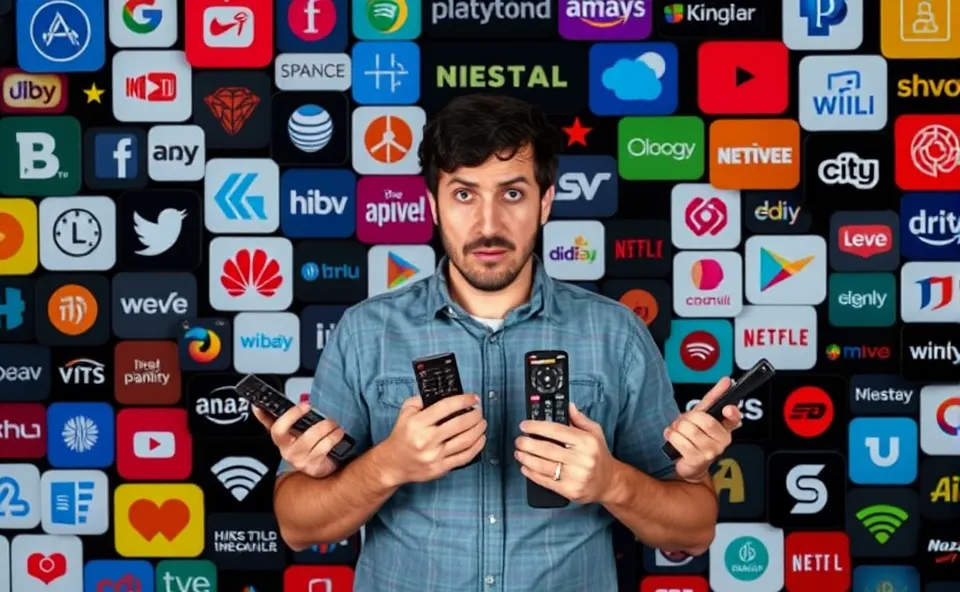
The strange struggle of having too many things to watch
Imagine sitting down after a long day of work. You have a bowl of popcorn, your favorite blanket, and a remote in your hand. You want to relax and watch a good movie. But instead of actually watching something, you spend the next forty minutes jumping between five different apps. You check one platform, then another, and then another. By the time you find something that looks interesting, you are too tired to actually watch it.
This is the modern reality of streaming services. We were promised a golden age of entertainment where everything we ever wanted would be available in one place. Instead, we got a fragmented landscape. While we have more TV choice than ever before, that abundance has created a new kind of stress. We are living through a paradox where having every option available makes it harder to make a decision.
The core of the problem is that the convenience of the early streaming days has vanished. It used to be that one or two subscriptions covered almost everything. Now, every movie studio and TV network wants its own piece of the pie. This shift has turned a simple leisure activity into a digital scavenger hunt.
Why we are all feeling the burn right now
If you feel like your monthly bills are creeping up while your patience is wearing thin, you are not alone. People are talking about this more than ever because we have hit a breaking point. For a few years, the growth of streaming platforms felt like a win for the consumer. We got high quality originals and the ability to binge watch entire seasons in a weekend.
However, the honeymoon phase is over. Most of the major players have now captured as many users as they can. To keep their stock prices high and their investors happy, these companies are changing their tactics. We are seeing several things happen at once that are fueling viewer frustration:
- Subscription prices are rising across the board.
- Password sharing is being cracked down upon.
- Ad supported tiers are becoming the norm rather than the exception.
- Content is being deleted from libraries to save on taxes and licensing costs.
This has led to a widespread feeling of subscription fatigue. It is no longer just about the money. It is about the mental energy required to manage multiple accounts, track which show is on which app, and justify the cost of a service you only use for one specific series.
How we traded the cable box for a dozen apps
To understand how we got here, we have to look back at the era of cord-cutting. For decades, the cable bundle was the standard. You paid one large monthly fee and got a hundred channels. You hated paying for channels you never watched, but it was simple. One bill, one remote, one guide.
Then came the disruptors. They offered a cheaper, leaner alternative. The goal was freedom. We wanted to stop paying for the bundle and only pay for what we actually liked. For a while, this worked perfectly. Netflix became the giant in the room, and other services followed a similar model of providing a massive library for a low flat fee.
But then the streaming wars began. The big studios realized they were making a mistake by licensing their best content to other platforms. Disney, Warner Bros, and NBCUniversal decided they wanted their own digital storefronts. They pulled their content from the pioneers and launched their own apps. This created a massive wave of media fragmentation. Suddenly, the content that used to be in one place was scattered across five or six different subscriptions.
The ripple effect of content overload
This fragmentation does more than just empty our wallets. It changes how we consume art and stories. When there are too many entertainment options, we experience content overload. This is the feeling of being overwhelmed by the sheer volume of choices, which often leads to decision paralysis.
For the user, the impact is a loss of discovery. In the old days, you might stumble upon a weird show on a random channel and love it. Now, algorithms tell you what to watch based on what you have already seen. This creates a bubble where we are less likely to find something truly new or challenging.
From a business perspective, this fragmentation is becoming unsustainable. The cost of acquiring a new customer is higher than ever. Because people are tired of adding new monthly charges, they are becoming more selective. This means that many platforms are struggling to turn a profit despite having millions of users. They are fighting for a limited amount of time and money in the average household budget.
Where the future of TV is heading
So, what happens next? We cannot keep adding new apps forever. Logic suggests that the industry will eventually move toward a period of consolidation. We are already seeing the first signs of this. Some companies are starting to offer bundles again, combining several services into one discounted package.
The future of TV will likely look a lot like the cable packages we tried to escape, but with a digital twist. Instead of one company owning everything, we will probably see aggregators. These are platforms that act as a single gateway to all your various subscriptions. You will have one login and one search bar, even if the content is coming from different sources.
We can also expect a shift in how content is valued. We might see a return to more traditional release schedules to build hype, or a move toward more hybrid models where some content is free with ads and other content is locked behind a premium wall. The goal for these companies will be to reduce churn, which is the rate at which people cancel their subscriptions. To do that, they have to make the experience less frustrating and more integrated.
Common questions about the streaming landscape
What is the main cause of subscription fatigue?
Subscription fatigue happens when consumers feel overwhelmed by the number of different streaming services they have to pay for. It is caused by price increases, the fragmentation of content across too many apps, and the mental effort of managing multiple accounts.
How do the streaming wars affect my TV choice?
The streaming wars have resulted in a fragmented market. Instead of finding most shows in one or two places, you now have to subscribe to multiple platforms to access a wide variety of content. This increases your total monthly spend and makes it harder to find specific shows.
Is cord-cutting still a good financial move?
For many, cord-cutting was a way to save money. However, as more streaming platforms launch and raise their prices, the cost of maintaining several apps can eventually equal or even exceed the cost of a traditional cable package.
Why is there so much viewer frustration with modern apps?
Most viewer frustration comes from content overload and poor user interfaces. Spending more time searching for a show than actually watching it creates a negative experience. Additionally, the removal of favorite shows from libraries for tax reasons often upsets loyal viewers.
What does the future of TV look like for the average user?
The future of TV will likely involve re-bundling. We will probably see more partnerships where multiple services are sold together for one price. The industry is moving toward a more streamlined experience to combat the current chaos of media fragmentation.











