

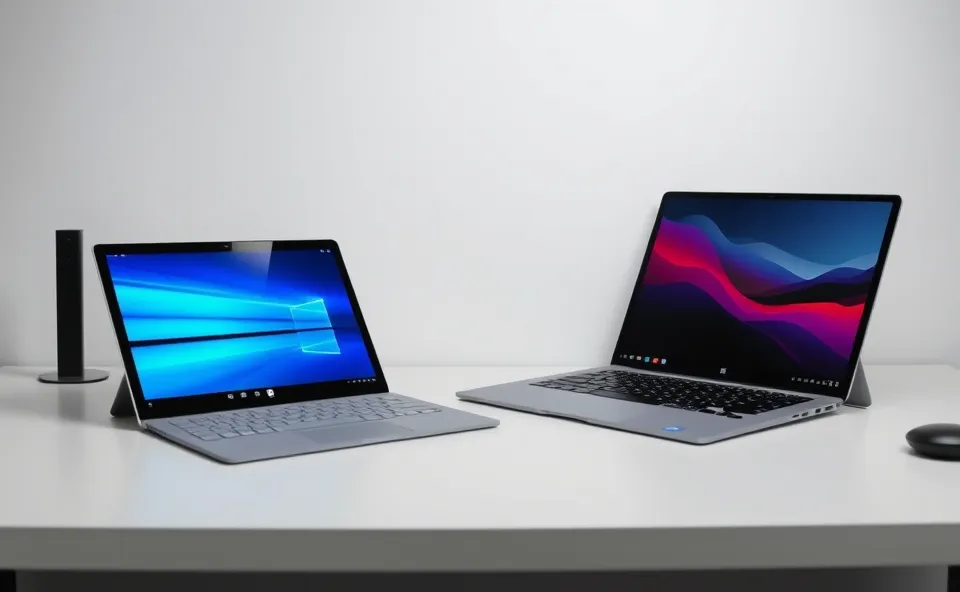
Microsoft brings back the budget friendly Surface
Microsoft just made a move that has the tech world talking. They have introduced new versions of the Microsoft Surface Pro and Surface Laptop that come with 8GB RAM. If you have been following recent tech news, you know that most high end laptops have been moving toward 16GB as the standard starting point. By bringing back the 8GB option, Microsoft is essentially creating a cheaper entry point for people who want these premium devices but do not want to pay the premium price tag.
In simple terms, Microsoft is offering a more affordable way to get into their hardware ecosystem. For many users, the cost of a laptop is the biggest hurdle. By lowering the hardware specifications on the base model, Microsoft can drop the price. This makes the Surface Pro and Surface Laptop more attractive to students or people who only use their computers for basic tasks like browsing the web or writing documents.
However, this is not just a simple price drop. It is a strategic choice about how much power a basic user actually needs. While the chassis, the screen, and the processor might remain impressive, the amount of memory available to run your apps has been cut in half compared to the higher tier models. This is a classic trade off between cost and performance.
Why everyone is talking about these memory changes
You might wonder why a simple change in RAM is causing such a stir. To understand this, you have to look at how we use computers today. We do not just open one app at a time anymore. Most of us have twenty browser tabs open, a Zoom call running in the background, and a few spreadsheets or Word documents active all at once. This is where laptop memory comes into play.
RAM acts like a short term memory for your computer. The more you have, the more things your computer can remember and handle at the same time without slowing down. When you run out of RAM, your computer starts using the slower storage drive to keep things moving. This results in that frustrating lag or the feeling that your laptop is struggling to keep up.
People are searching for this news because there is a growing debate about what is considered enough memory in 2024. Some argue that 8GB RAM is plenty for a casual user. Others believe that selling a premium device with 8GB is a mistake because it limits the lifespan of the machine. Because Microsoft hardware is often seen as a professional tool, users expect it to handle professional workloads. The idea of a RAM downgrade for the sake of a lower price feels like a step backward to some power users.
Looking back at how Surface memory evolved
To get the full picture, we need to look at where Microsoft Surface has been. For a while, the trend in the industry was to push users toward 16GB. As software became more complex and operating systems grew heavier, 8GB started to feel tight. Microsoft followed this trend, offering configurations that felt snappy and future proof.
The problem is that unlike a desktop PC, you cannot just buy more RAM and plug it into a Surface Pro or Surface Laptop. The memory is soldered directly onto the motherboard. This means the decision you make at the time of purchase is permanent. If you buy the 8GB model and find out six months later that it is too slow for your needs, you cannot upgrade it. You have to buy a whole new device.
In previous generations, the jump from the base model to the next tier was often a significant price leap. Microsoft is now trying to bridge that gap by offering a lower floor. They are essentially acknowledging that there is a massive market of people who love the Surface design and build quality but are priced out by the 16GB configurations. By revisiting the 8GB spec, they are targeting the budget conscious consumer who prioritizes aesthetics and portability over raw multitasking power.
The real world effect of less memory
So, what does this actually mean for the person using the device? If you are a casual user, you might not notice a difference. If you spend your day checking emails, streaming Netflix, and using Google Docs, 8GB RAM is generally sufficient. The device will feel fast, and the hardware specifications will be more than enough for your daily routine.
But for others, this change is more impactful. Let us look at a few different scenarios:
- The Student: A student who only takes notes and does research will be happy with the lower price. However, a computer science or design student will find 8GB completely inadequate for coding or running Adobe Creative Cloud.
- The Business Professional: Someone who manages huge Excel sheets with thousands of rows and keeps multiple CRM tools open will likely experience slowdowns. For them, the cheaper price is a trap because the productivity loss outweighs the initial savings.
- The AI User: This is the most interesting part. Microsoft is pushing AI features like Copilot into everything. AI processes are notoriously hungry for memory. Running local AI tools or even heavily integrated cloud AI can eat up RAM quickly.
The impact here is a widening gap between the casual user and the power user. The RAM downgrade makes the device more accessible, but it also makes it more fragile in terms of longevity. A laptop with 16GB of memory is much more likely to still feel fast in three or four years than one with 8GB. This creates a situation where the cheapest model might actually be the most expensive in the long run because it will need to be replaced sooner.
Where Microsoft hardware is heading
Looking forward, it seems Microsoft is trying to segment its audience more clearly. They want the Surface brand to appeal to everyone from the casual tablet user to the hardcore corporate executive. By offering different device pricing tiers based on memory, they can cast a wider net.
We can expect to see a continued push toward specialized hardware. We might see models that lean heavily into AI processing with specific chips, while the RAM remains a variable based on price. The goal is to move the Surface from being a niche professional tool to a mainstream consumer product.
It is also likely that we will see more aggressive marketing for the higher tier models. Microsoft knows that 8GB is a risk for the user, so they will likely emphasize the benefits of 16GB or 32GB for anyone who considers themselves a multitasker. The 8GB model exists to get you in the door, but the 16GB model is where the actual value lies for the average modern worker.
Common questions about the new Surface models
Is 8GB RAM enough for a Microsoft Surface in 2024?
It depends on your habits. If you only use a web browser and basic office apps, it is enough. If you do any video editing, heavy multitasking, or use professional software, you will likely find it limiting.
Can I upgrade the RAM on my Surface Pro or Surface Laptop?
No, the memory in these devices is soldered to the motherboard. You must choose the amount of RAM you need at the time of purchase because it cannot be changed later.
Why did Microsoft introduce a RAM downgrade for some models?
The primary reason is device pricing. By offering 8GB RAM, Microsoft can lower the starting price of the Surface line, making it more competitive with other budget laptops and more accessible to students.
How does 8GB RAM affect the performance of AI features?
AI tools often require significant memory to run smoothly. While basic cloud AI will work fine, having more RAM allows the system to handle AI tasks in the background without slowing down your other open applications.
Should I pay more for the 16GB version of the Microsoft Surface?
If you plan to keep your laptop for more than two or three years, the 16GB version is a much safer investment. It provides a better cushion for future software updates and ensures the device stays fast as your needs grow.











