

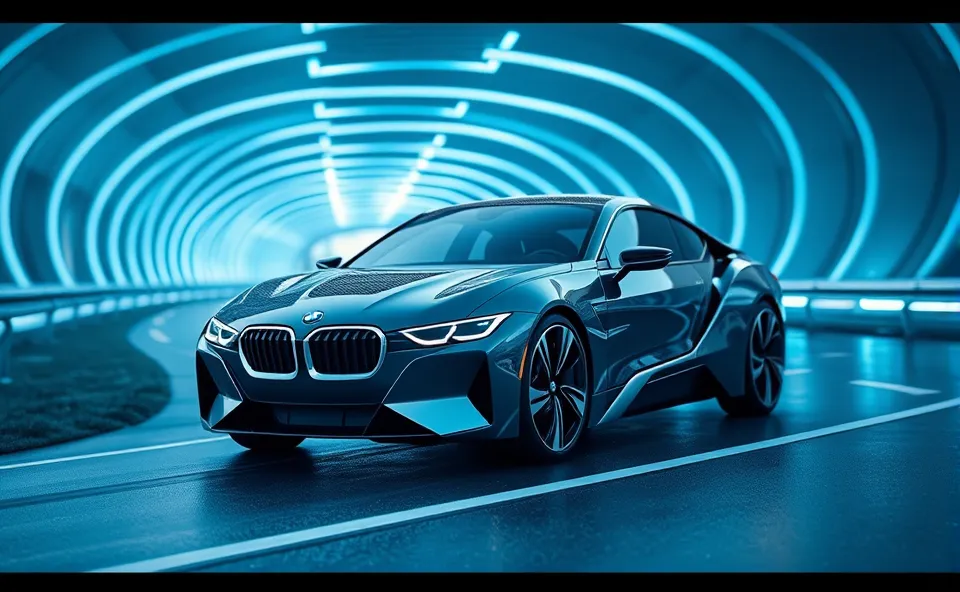
A New Chapter for the Ultimate Driving Machine
If you have followed the car world for any length of time, you know that BMW has always stood for something specific. They are the brand for people who actually enjoy driving. But the world is changing, and the way we power our journeys is changing even faster. BMW is currently preparing for its biggest pivot in decades. This massive move is called the BMW NEUE KLASSE.
This is not just a fancy name for a few new electric models. It is a complete ground up redesign of how the company thinks about cars. Instead of taking their existing gas engines and trying to make them electric, they are building an entirely new electric car platform. This means everything from the way the batteries are shaped to how the software talks to the driver is being reimagined. The goal is to create a new standard for luxury EVs that feels as natural and exciting as the gasoline cars that made the brand famous.
The BMW NEUE KLASSE is essentially a blueprint for the next generation of mobility. It focuses on three main pillars: digital experience, sustainability, and driving pleasure. By focusing on these, BMW hopes to prove that an electric vehicle can be just as soulful as a traditional internal combustion engine car. It is a bold bet that the company is making to ensure they remain a leader in a rapidly changing world.
Why Everyone is Talking About This Shift
You might be wondering why this is suddenly the hottest topic in the automotive industry. The reason is simple: the stakes have never been higher. For a long time, luxury car brands could rely on their heritage and their excellent engines. But today, that heritage is being challenged by new players. Companies like Tesla have changed what drivers expect from a car, and new manufacturers from China are moving into the EV market with incredible speed.
Investors are watching the BMW transformation very closely. They want to see if a traditional powerhouse can successfully transition from mechanical engineering to software driven engineering. If BMW can execute this plan, they could set the pace for the entire industry. If they stumble, they risk losing their premium status to more agile competitors. This is why the news of their new strategy is creating so much buzz. It is a high stakes game of catch up and leapfrog all at once.
Furthermore, the conversation around sustainability has moved from the fringes to the center of the business world. Consumers are no longer just looking at how fast a car goes or how much it costs. They are looking at where the materials come from and what the carbon footprint looks like over the life of the vehicle. The BMW NEUE KLASSE addresses these concerns head on, making it a central topic for anyone interested in the future of business and technology.
The Long Road to the Electric Era
To understand why this new strategy is such a big deal, we have to look at where BMW came from. For decades, the company was a master of the piston and the gear. Their success was built on perfecting the internal combustion engine. When electric cars first started appearing, BMW took a practical approach. They developed electric versions of their existing models. This was a smart way to test the waters, but it had limitations.
Because those early models were adapted from gas cars, they were not as efficient as they could have been. They were carrying around the extra weight and design constraints of a platform that was never truly meant for electricity. As the EV market matured, it became clear that the old way of doing things would not be enough to compete with cars built specifically for batteries. The industry was moving toward a model where the battery and the motor are the heart of the car, not just an add on.
This realization is what triggered the BMW transformation. The company realized they needed to stop reacting to the market and start defining it. They needed to move away from being a hardware company that makes electric cars and become a technology company that happens to make cars. This shift requires a massive change in culture, manufacturing, and talent. It is a journey from the mechanical past to a digital, electrified future.
How This Changes the Experience for Drivers
When the first vehicles under the BMW NEUE KLASSE name hit the road, the impact will be felt immediately by the driver. This is not just about going from zero to sixty in a few seconds. It is about how the car feels, how it looks, and how it interacts with you. One of the biggest changes is the introduction of a new electric car platform that prioritizes efficiency. This means more range, faster charging, and a much better use of space inside the cabin.
The technology inside will also be a massive leap forward. We are entering the era of the software defined vehicle. In the past, a car was mostly finished the day you drove it off the lot. In the future, your car will get better over time through over the air updates. The BMW NEUE KLASSE will feature a new way of displaying information, such as a panoramic display that stretches across the dashboard. This turns the car into a living, breathing digital space.
The impact also extends to the concept of luxury. For BMW, luxury has always been about the feel of the materials and the precision of the handling. With this new EV strategy, they are redefining luxury to include sustainability. This means using recycled materials and creating a circular economy where parts can be reused and repurposed. For the consumer, this means owning a high performance machine that also aligns with their environmental values. It changes the very definition of what it is like to drive a premium vehicle.
Navigating the Path Toward the Future
As we look ahead, the success of this strategy depends on one thing: strategic execution. It is easy to make a grand announcement about a new era, but it is incredibly difficult to actually build it. BMW faces several hurdles. They have to build new supply chains for battery minerals, they have to master complex new software, and they have to do all of this while maintaining the high quality that their customers expect.
The BMW future looks bright, but it is not without risk. There is the risk of timing. If they move too slowly, they lose market share. If they move too fast and the technology is not ready, they could damage their reputation for reliability. There is also the intense competition in the EV market. They are not just fighting other luxury brands; they are fighting tech giants and massive manufacturers who have scale and speed on their side.
However, if they succeed, the rewards are massive. A successful transition will secure their place in the next century of automotive history. They will have moved from a legacy manufacturer to a leader in the new age of mobility. The investor outlook remains cautiously optimistic because the roadmap is clear. BMW knows exactly what they need to do. Now, it is just a matter of whether they can deliver on that promise as they roll out these new models to the world.
Common Questions About the BMW Transformation
What exactly is the BMW NEUE KLASSE?
The BMW NEUE KLASSE is a new generation of electric vehicles built on a dedicated electric car platform. It represents a total redesign of the company’s technology, software, and design philosophy to focus on the future of electric mobility.
How does this impact the current EV market?
This move signals a shift in the EV market where traditional luxury brands are moving away from adapted gasoline models toward purpose built electric vehicles. It increases the competition for software and efficiency, pushing the entire automotive industry to innovate faster.
Will the BMW transformation change the driving experience?
Yes, the BMW transformation aims to combine the classic driving joy the brand is known for with new digital features. This includes faster acceleration, better battery efficiency, and advanced software that allows the car to update and improve over time.
How is sustainability integrated into their EV strategy?
As part of their EV strategy, BMW is focusing on a circular economy. This means using more recycled materials in their luxury EVs and designing vehicles that are easier to recycle at the end of their life, reducing the overall environmental impact.
What is the investor outlook for BMW’s new direction?
The investor outlook is focused on strategic execution. Investors are looking for proof that BMW can successfully manage the transition from hardware to software while maintaining profitability and market share in a highly competitive environment.











