

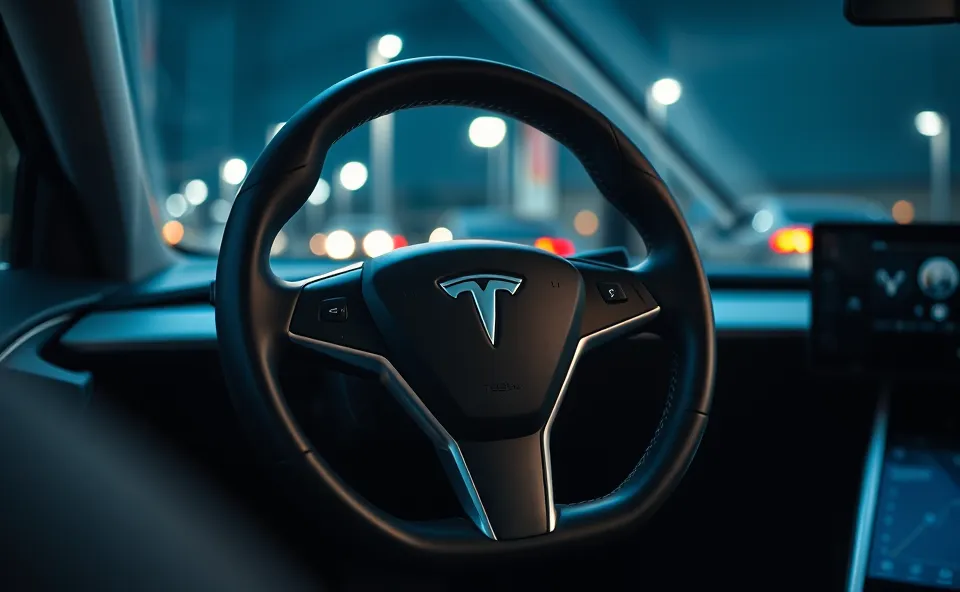
The End of a Major Safety Review for Tesla Steering Systems
The news is finally out for many car owners and industry watchers. The US vehicle safety agency has officially decided to close its investigation into power steering issues that reportedly affected a massive group of Tesla electric vehicles. This specific probe focused on nearly 376,000 cars that drivers claimed were experiencing sudden and unexpected changes in how they steered their vehicles. For a long time, this investigation has been a heavy topic of conversation in the automotive world, and its conclusion marks a significant moment for the company and the agency involved.
When we talk about a probe like this, it is important to understand that it is not just about one single part. It is about how a complex machine responds when things go wrong. The investigation looked into reports where drivers felt they were losing the assistance they needed to turn their cars easily. In a modern vehicle, power steering is not just a luxury for making turns effortless. It is a critical safety component that helps maintain control, especially during high speed maneuvers or unexpected road conditions. The fact that this investigation is now over suggests that the agency has gathered enough data to move on, though the journey to get here was quite intense.
It is worth noting that closing an investigation does not necessarily mean everything is perfect. Rather, it means the regulatory body feels the current information and the actions already taken, such as previous recalls or software updates, are sufficient to address the immediate concerns. For Tesla, this is a massive piece of news that changes the conversation from active scrutiny to a more settled chapter in their safety history.
Why Everyone is Talking About This Tesla News Right Now
You might be wondering why this specific news is suddenly flooding your social media feeds and news apps. There are a few big reasons for the buzz. First, Tesla is not just any car company. They are the face of the electric vehicle revolution. Because they lead the market, any time a safety agency looks into their hardware, it sends ripples through the entire global economy. Investors watch these investigations closely because they can influence stock prices and the company’s overall reputation.
Second, there is a growing sense of curiosity about how software and hardware interact in modern cars. Many Tesla owners rely heavily on over the air updates to fix issues. This investigation brought up a huge debate: can software truly fix a physical steering problem? This question is at the heart of much of the current electric vehicle news. People want to know if their expensive tech is actually reliable in the long run.
Lastly, the sheer scale of the numbers involved is eye catching. We are not talking about a few dozen cars. We are talking about hundreds of thousands of vehicles. When an automotive investigation touches that many people, it becomes a public interest story. It touches on the safety of our roads and the standards we expect from the companies building the future of transportation.
Looking Back at the Roots of the Steering Concerns
To understand why the NHTSA Tesla investigation happened in the first place, we have to look back at the complaints that triggered it. For a while, a pattern began to emerge in consumer reports. Drivers were reaching out to the vehicle safety agency to describe a very scary sensation: a sudden loss of steering assistance. Imagine you are driving down a highway and the steering wheel suddenly feels much heavier or more difficult to move. That is the kind of experience that leads to an official probe.
The investigation focused on a specific subset of Tesla electric vehicles that were under scrutiny for these power steering issues. The agency had to determine if there was a systemic manufacturing defect or if the issue was related to how the steering software was interacting with the hardware. This is much more complicated than checking a broken light bulb. In an electric car, the steering is often controlled by complex electronic signals that tell motors how much help to give the driver.
During this period, the industry was watching to see if this would lead to a massive Tesla recall or if the company could resolve it through their existing update systems. The history of Tesla’s relationship with safety regulators has always been a bit of a rollercoaster. They often move faster than traditional car companies, which sometimes leads to friction with agencies that prefer more traditional, slower testing methods. This investigation was another chapter in that ongoing story of how new technology meets old world regulation.
The Real World Impact on Drivers and the Market
So, what does the end of this Tesla power steering probe actually mean for the people on the ground? For the owners of those 376,000 vehicles, the immediate answer is a sense of clarity. While it might not solve every minor glitch, the formal weight of a federal investigation being lifted is a relief. It means that, for now, the government is satisfied that the current safety protocols and any previous fixes are doing their job.
For the broader business and technology sectors, the impact is even more interesting. This situation highlights the intense pressure on manufacturers to get software right the first time. In the past, a mechanical failure might lead to a physical part replacement. Today, a failure in code can make a car feel broken. This has forced the entire automotive industry to rethink how they approach quality control. Every other car maker is watching this play out to see how much scrutiny they can expect when they release their own software driven models.
We can also look at this from a market perspective. Tesla EV safety is a major talking point for potential buyers. When people are deciding whether to switch from a gas car to an electric one, they are thinking about reliability. A concluded investigation can help stabilize consumer confidence. On the other hand, it also serves as a reminder that as cars become more like computers on wheels, the stakes for every single line of code become incredibly high. The market is learning that safety and technology are now inseparable.
Key Takeaways for Consumers
- Check your vehicle status: Even if a probe is closed, always stay updated on any specific Tesla recall notices that might apply to your model.
- Monitor driving feel: If you notice any unusual resistance or loss of assistance in your steering, report it to your service center immediately.
- Software is key: Ensure your vehicle is always running the latest software version, as many safety improvements are delivered this way.
What Lies Ahead for Electric Vehicle Safety
While this specific chapter is closing, the story of automotive safety is far from over. The conclusion of this investigation likely marks a shift in how the NHTSA approaches software related issues. We can expect that future automotive investigations will be even more focused on the digital side of things. As we move toward more autonomous driving features, the way agencies monitor things like power steering and braking will become even more critical.
Tesla will likely continue to refine its hardware and software integration. They have a massive amount of data coming from their fleet of cars, which gives them a unique advantage in spotting trends before they become major problems. This constant loop of data and updates will likely become the standard for all high tech vehicle manufacturers. We are moving into an era where a car is never truly finished; it is constantly evolving through software.
In the long run, this will probably lead to even tighter standards for how electric vehicles are tested and certified. The tension between rapid innovation and slow, methodical safety testing will remain. However, the end of this probe suggests that there is a path forward where both can coexist. Companies will learn how to innovate faster while still satisfying the rigorous demands of the vehicle safety agency. The goal is a world where cars are smarter, faster, and most importantly, safer for everyone on the road.
Frequently Asked Questions
What was the main focus of the Tesla power steering probe?
The primary goal of the investigation was to determine if there was a systemic issue causing power steering issues in a large number of Tesla electric vehicles. The agency looked into reports of drivers losing steering assistance while driving.
Does the end of the NHTSA Tesla investigation mean there is no safety risk?
It means the NHTSA has concluded its current investigation and believes the data or the actions already taken by Tesla are sufficient. It does not mean that safety is never an issue, but rather that the agency is satisfied with the current state of the investigation.
How many vehicles were involved in the Tesla EV safety concerns?
The investigation was centered around approximately 376,000 Tesla electric vehicles that had been flagged for potential power steering issues.
Will this Tesla recall or investigation affect the resale value of my car?
While we cannot give specific market advice, generally, when a major automotive investigation is closed and issues are addressed, it can help provide stability to the market. However, individual vehicle history and service records always play a role in resale value.
How can I stay informed about future electric vehicle news regarding safety?
The best way to stay informed is to monitor official announcements from the NHTSA and keep an eye on direct communications from your vehicle manufacturer regarding any necessary updates or recalls.











