

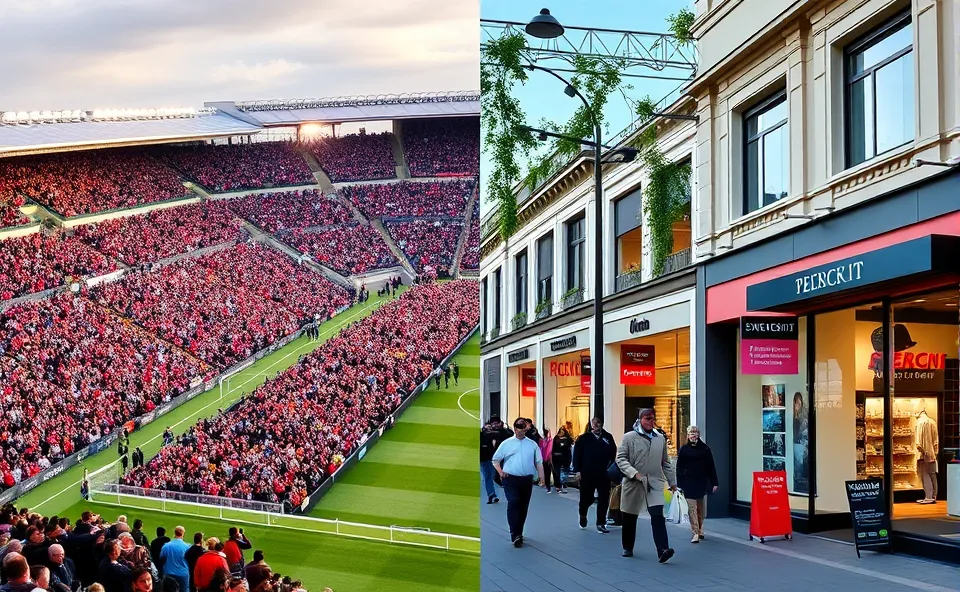
The Massive Financial Engine of the World Cup
When we talk about the World Cup, most of us think about goals, trophies, and the roar of the crowd. But if you look past the grass and the jerseys, you will see one of the biggest financial events on the planet. World Cup spending is not just about buying a ticket to a match. It is a complex web of money moving across borders.
Imagine millions of people descending on a few cities at once. These fans need places to sleep, food to eat, and ways to get around. They buy official merchandise, dine at local restaurants, and shop at malls. This creates a sudden, intense burst of economic activity. From the huge hotel chains to the small street food vendor, everyone feels the impact.
This spending acts like a giant magnifying glass. It shows us exactly how people are willing to spend their money when they have a clear reason to travel. It is a goldmine of data for anyone trying to understand the current state of the global economy. We are not just looking at sports fans; we are looking at the real time behavior of the modern consumer.
Why Everyone is Watching These Spending Patterns Now
You might wonder why economists and business analysts are so obsessed with these trends right now. The reason is simple. We are living through a strange time for the global economy. For a few years, the world stopped moving. Travel vanished and people spent their money on home gym equipment and streaming services.
Now that the world has reopened, there is a phenomenon known as revenge travel. People are not just traveling; they are overspending to make up for lost time. Tracking World Cup spending helps us see if this trend is a temporary spike or a permanent change in consumer behavior.
Business leaders are searching for these patterns because they want to know where the money is flowing. Are people still cautious about inflation, or are they ignoring their budgets for the sake of a once in a lifetime experience? By watching how fans behave during a massive tournament, companies can predict how people will spend their money on other vacations or luxury goods throughout the year. It is a shortcut to understanding the current mood of the market.
The Road From Lockdown to Stadiums
To understand where we are, we have to look at where we were. Before the pandemic, tourism followed a predictable rhythm. People planned trips months in advance and stuck to a set budget. The hospitality industry operated on steady, seasonal cycles.
Then, the world shifted. During the lockdowns, discretionary spending shifted from services to goods. People stopped paying for hotels and started buying better furniture. This created a massive backlog of desire. When the borders finally opened, the psychology of the consumer had changed.
Post pandemic tourism became less about the destination and more about the feeling of freedom. People started prioritizing experiences over physical possessions. This shift is clearly visible in how fans approach the World Cup. They are more likely to splurge on premium experiences or last minute flights than they were ten years ago.
This background is crucial because it explains the volatility we see today. We are not returning to the old way of doing things. Instead, we are entering a new era where the emotional value of an event outweighs the financial cost for many people. This change in mindset is the engine driving today’s market trends.
What This Means for Businesses and Markets
The ripple effects of World Cup spending hit several different sectors at once. When you analyze the data, you see clear indicators of how the wider economy is breathing.
First, let’s look at the hospitality industry. A World Cup creates a massive surge in demand that can break a city’s infrastructure. Hotels often raise prices to the ceiling, and short term rentals become gold mines. For the business owner, this is a windfall. For the economist, it is a lesson in supply and demand. It shows how much people are willing to pay when there are no other options.
Then there is the impact on retail traffic. It is not just about official jerseys. Local shops see a spike in sales for everything from electronics to clothing. This increase in consumer trade provides a temporary boost to local businesses, but it also reveals who is surviving in the modern retail landscape. Stores that can pivot quickly to meet the needs of an international crowd are the ones that win.
However, we cannot ignore the inflation impact. While spending is high, the cost of living has also risen. This creates a split in consumer behavior. We see a growing gap between high net worth travelers who spend lavishly and middle class fans who are cutting corners in other areas of their lives to afford the trip. This tells us that while overall spending is up, the financial pressure on the average person is still very real.
Here are a few key takeaways on the market impact:
- Experience over Ownership: People are spending more on memories than on things.
- Dynamic Pricing: The hospitality industry is getting better at changing prices in real time based on demand.
- Localized Booms: Small businesses in host cities get a concentrated burst of cash that can sustain them for years.
- Digital Shift: Almost all spending is now digital, from ticket sales to street food payments, reducing the need for physical currency.
Looking Ahead at the New Economic Normal
So, where do we go from here? The trends we see during the World Cup are likely a preview of the future of global travel and trade. We are moving toward a world where events are the primary drivers of tourism.
We will likely see more cities competing to host massive events not just for the prestige, but for the guaranteed injection of capital. But this comes with a risk. If cities build too much infrastructure for one event, they end up with ghost towns once the fans leave. The future will be about sustainable growth rather than just a quick cash grab.
Technology will also play a bigger role. We can expect to see more personalized spending experiences. Imagine an app that knows your budget and suggests the best local eats and shops in real time as you move through a host city. This will make retail traffic more efficient and increase the total amount of discretionary spending.
Ultimately, World Cup spending will continue to be a reliable barometer. It tells us who has money, who is willing to spend it, and what they value most. The shift toward experience based spending is not a fluke. It is a fundamental change in how humans interact with the economy.
Common Questions About World Cup Spending
How does World Cup spending affect the local economy of a host city?
It creates a massive jump in retail traffic and fills hotels to capacity. While the government spends a lot on stadiums, the local businesses in the hospitality industry usually see a huge increase in revenue from international visitors.
Is post pandemic tourism still driving high prices for events?
Yes, the desire to travel after years of restrictions has created a high demand for big experiences. This allows organizers and hotels to keep prices high because fans are more willing to spend their savings on a bucket list trip.
How does inflation impact the way fans spend during the tournament?
Inflation makes basic costs like flights and food more expensive. This often leads to a split in consumer behavior where some fans splurge on luxury, while others strictly limit their discretionary spending to just the essentials.
Why is the World Cup considered one of the best economic indicators?
Because it brings together people from every corner of the globe. By tracking their spending, economists can see which countries have strong consumer trade and how different populations are reacting to global financial trends.
Will future World Cup events change how the hospitality industry operates?
Likely yes. The industry is moving toward more flexible and digital models. We will see more use of dynamic pricing and a bigger focus on providing high end, curated experiences rather than just a bed for the night.











