

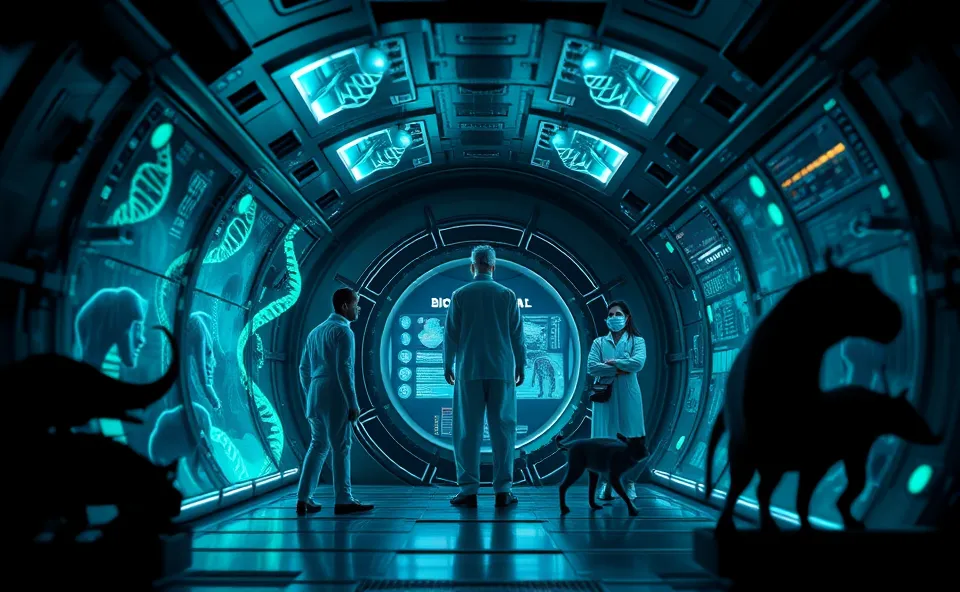
Saving Species From the Brink: Colossal and a US Government Breakthrough
Imagine a future where we can safeguard Earth’s most precious creatures, not just by protecting their habitats, but by preserving their very essence. That’s the hopeful promise unfolding with a major new initiative by the US government, working alongside a pioneering company called Colossal. They’re launching something called BioVault, a massive project focused on genetic preservation for endangered species. It’s a forward thinking move in our ongoing fight against the extinction crisis, offering a powerful new tool for wildlife conservation.
Why the Buzz Now?
You’ve probably heard a lot about Colossal and the US government’s efforts recently. This surge in interest isn’t just about a new gadget or a fleeting trend. It’s a direct response to the escalating biodiversity crisis. As more species teeter on the edge of disappearing forever, the urgency to find innovative solutions for endangered species protection has never been higher. The idea of a “biodiversity vault” holding the keys to saving species is a powerful and timely concept, capturing the attention of scientists, policymakers, and anyone who cares about our planet’s future.
A Look Back: The Long Road to Genetic Preservation
For decades, we’ve relied on traditional conservation methods: protecting land, fighting poaching, and breeding programs. These are vital, but they’re often reactive and can struggle to keep pace with the speed of loss. The concept of genetic preservation isn’t entirely new. Scientists have been banking seeds and sperm for years, creating “arks” of genetic material. However, Colossal and the US government’s BioVault initiative are taking this to a whole new level. They are not just storing samples; they are creating a comprehensive, digitized library of genetic blueprints. This comes at a time when some are pushing to weaken environmental policies, including the Endangered Species Act, making these proactive conservation efforts even more critical.
Think of it like this: traditional conservation is like tending a garden. BioVault, powered by Colossal’s technology, is like creating a master blueprint and a seed bank for every plant in that garden, so you can always bring it back, even if the garden itself is damaged. This advanced approach leverages cutting edge technology, including sophisticated DNA storage techniques, to ensure that the genetic information of at risk species is not lost, even if the animals themselves vanish.
What This Means for Our Planet’s Future
The impact of Colossal and the US government’s BioVault initiative is potentially revolutionary for wildlife conservation. This isn’t just about creating a digital archive; it opens up possibilities that were once confined to science fiction. The primary goal is genetic preservation, ensuring that the unique genetic codes of endangered species are safe. This could serve as a critical resource for future breeding programs or even, down the line, potentially support de-extinction technology if it becomes viable and ethically sound. For environmental policy, it represents a significant investment in a proactive, technology driven approach to conservation, supplementing existing efforts to protect biodiversity.
This initiative, spearheaded by the Interior Department’s commitment to conservation, signifies a belief in the power of technology to address ecological challenges. It’s a powerful counterpoint to discussions about weakening the Endangered Species Act, highlighting a path forward that embraces innovation rather than reducing protections. The Colossal BioVault could become an essential part of our global biodiversity vault, a testament to our commitment to preserving life on Earth. It’s a powerful statement about valuing every species, no matter how small or seemingly insignificant.
What Lies Ahead for Conservation?
Looking forward, the Colossal BioVault and the US government’s commitment to genetic preservation are likely to pave the way for even more ambitious conservation strategies. We can expect to see a more integrated approach, where traditional methods are enhanced by advanced genetic technologies. The success of this initiative will depend on continued investment, scientific advancement, and international cooperation. It also raises important questions about the ethics and long term implications of de-extinction technology, which will undoubtedly be a major part of future discussions in wildlife conservation.
The hope is that BioVault will not only safeguard current endangered species but also provide the foundation for a future where we can restore lost biodiversity. It’s a long game, but the steps being taken now are monumental. As technology advances, so too will our ability to protect and potentially restore the incredible tapestry of life on our planet.
Frequently Asked Questions About Colossal BioVault
What is the primary goal of the Colossal BioVault initiative for endangered species protection?
The main aim is robust genetic preservation. This means creating a comprehensive, secure digital library of the genetic material from endangered species, ensuring their unique biological information is safeguarded for the future, supporting overall wildlife conservation efforts.
How does Colossal’s technology contribute to the US government’s conservation goals?
Colossal provides the advanced technological expertise for high fidelity DNA sequencing, data storage, and potentially future applications related to genetic material. This partnership empowers the US government’s BioVault initiative to achieve its ambitious goals for endangered species protection and biodiversity preservation.
What is the significance of this initiative in the context of the extinction crisis and environmental policy?
The BioVault represents a powerful, proactive technological solution to the growing extinction crisis. It complements existing environmental policy by offering a new layer of protection through genetic preservation, acting as a vital biodiversity vault against irreversible loss.
Can the genetic material stored in the Colossal BioVault be used for de-extinction technology?
While the primary focus is genetic preservation, the high quality data and samples stored could potentially serve as a foundational resource for future research into de-extinction technology, though this is a complex and long term prospect within the broader scope of wildlife conservation.
How does the Colossal BioVault differ from traditional methods of endangered species protection?
Traditional methods focus on habitat protection and direct species management. The Colossal BioVault adds a crucial digital dimension, offering long term genetic preservation through advanced DNA storage and data management, providing an essential backup for endangered species protection strategies.











