

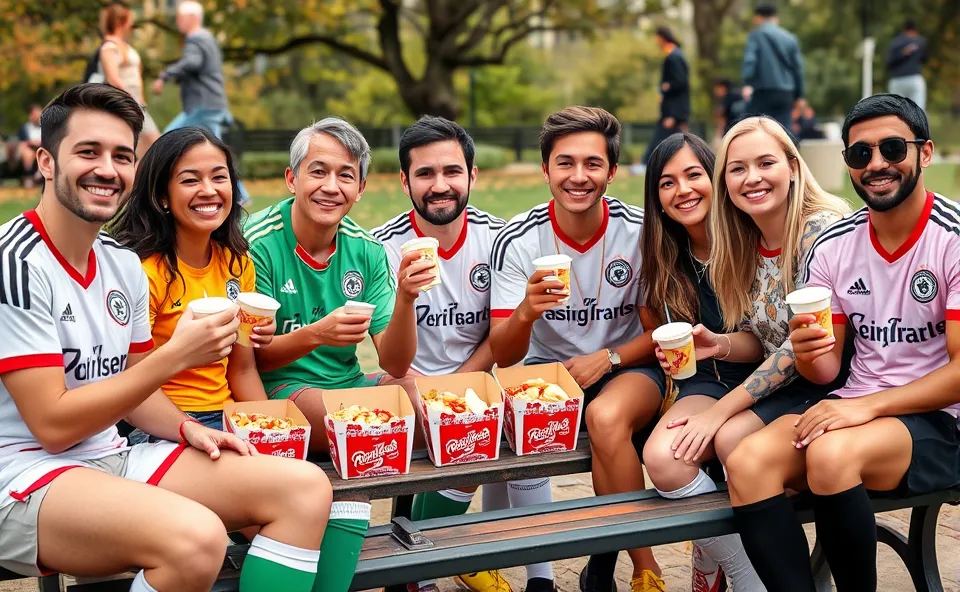
The Delicious Side of Global Sports
Imagine thousands of people from every corner of the globe landing in the United States. They are here for the thrill of the game, the roar of the crowd, and the energy of a global sports event. But while the soccer matches are the main attraction, something else is happening in the sidelines. International visitors are discovering a different kind of American magic: the food.
We are seeing a fascinating trend where simple things like ranch dressing and chicken fingers from Raising Cane’s are becoming symbols of American culinary diplomacy. It is not just about eating a meal. It is about an experience that people take home with them in the form of memories and social media posts. When a fan from Argentina or South Korea tries a side of ranch for the first time and loves it, they are not just tasting a sauce. They are engaging with American food culture in a way that no brochure could ever explain.
This wave of World Cup tourism is turning fast food joints into unofficial embassies. Instead of formal meetings, the cultural exchange is happening over cardboard boxes and dipping sauces. It is a grassroots version of diplomacy where the shared love for a great meal bridges the gap between different languages and backgrounds.
Why Everyone is Talking About American Comfort Food
You might wonder why a specific brand of chicken or a creamy dressing is suddenly trending globally. The answer lies in the power of the modern experience economy. People do not just want to see a game. They want to feel like they are truly experiencing the local lifestyle.
Social media has acted as a massive amplifier for this. When visitors post videos of their first visit to Raising Cane’s, it creates a ripple effect. A video of a surprised visitor discovering the ranch dressing trend can reach millions of people who have never stepped foot in the U.S. This turns a simple meal into a bucket list item.
There are a few key reasons why this is happening now:
- The Search for Authenticity: Travelers want the “real” American experience, which often means the iconic food they have seen in movies.
- Viral Food Challenges: Trying “strange” or “famous” American condiments becomes a game for international tourists.
- The Comfort Factor: In the middle of a high stress sports tournament, the consistency and comfort of American fast food provide a sense of reliability.
By linking the excitement of FIFA 15 and the energy of the games with these culinary staples, the U.S. is effectively rebranding its image. It is moving from being just a place of big cities to a place of comforting, shareable, and addictive flavors.
The Roots of the American Taste
To understand why this is working, we have to look at how American food culture has evolved. For a long time, the world viewed U.S. food as simply “fast” or “unhealthy.” However, there has been a shift. People now appreciate the specialization and the obsession with quality in specific niches.
Take Raising Cane’s as an example. They do not try to do everything. They focus on one thing and do it exceptionally well. This level of specialization appeals to an international audience that values mastery. Similarly, ranch dressing represents a specific American quirk. It is a versatile, creamy topping that does not really have a direct equivalent in many other cultures.
In the past, cultural exchange happened through art, music, or politics. But food has always been the most direct way to reach someone. By welcoming international visitors with high energy and bold flavors, the U.S. hospitality industry is leaning into a tradition of using food to make people feel welcome. This background of friendliness and abundance is what makes the current culinary influence so potent.
How This Impacts the Bottom Line
When we look at this through a finance lens, the impact is significant. This is not just about a few extra chicken tenders sold during a tournament. We are talking about a massive boost in brand equity on a global scale.
First, there is the immediate surge in revenue for the U.S. hospitality sector. Hotels, transport, and restaurants see a spike in spending. But the long term play is much more interesting. When millions of people develop a taste for specific American products, it creates an organic demand for food exports.
Here is how this ripples through the market:
- Export Growth: Increased global demand for ingredients and branded sauces leads to more trade opportunities for U.S. food producers.
- Franchise Expansion: Brands like Raising Cane’s can use this international exposure as a low cost market research tool. If visitors from a specific country are obsessed with the food, that is a signal to open stores there.
- Tourism Branding: The association of the U.S. with “must try” foods makes the country a more attractive destination for future travelers.
This form of American culinary diplomacy essentially acts as free marketing. The visitors become brand ambassadors. When they return home and tell their friends about the incredible ranch dressing, they are doing more for the brand than any paid advertisement ever could.
What Lies Ahead for Global Tastes
Looking forward, it is likely that this trend will move beyond the duration of the tournament. We are entering an era where “food tourism” is a primary driver of travel. The success of these staples during FIFA 15 suggests that the world is hungry for more specialized American concepts.
We can expect to see more U.S. chains adopting a strategic approach to international growth. Instead of just opening stores everywhere, they will likely target regions where the “viral” interest is highest. We might also see a rise in “fusion” products in other countries, where local chefs incorporate American staples like ranch into their own traditional dishes.
The bond created during a global sports event is strong. The emotional connection people feel toward the games will be tied to the flavors they experienced. This means that the influence of American food culture will likely linger long after the final whistle blows. The U.S. is not just exporting calories. It is exporting a lifestyle of convenience, boldness, and comfort.
Common Questions About American Culinary Diplomacy
What is American culinary diplomacy?
It is the use of food and dining experiences to build positive relationships and a better image of the United States among people from other countries. It turns a simple meal into a tool for cultural exchange.
How does FIFA 15 relate to food trends?
FIFA 15 serves as a catalyst by bringing millions of international visitors to the U.S. This massive influx of people exposes them to American food staples, which then go viral on social media, boosting global popularity.
Why is Raising Cane’s becoming popular with international visitors?
Its focus on a limited menu and high quality consistency makes it an easy and appealing choice for tourists who want a quintessential American fast food experience.
Is the ranch dressing trend a real market driver?
Yes, the ranch dressing trend increases the demand for specific flavor profiles globally, which can lead to increased food exports and the introduction of similar products in international markets.
How does World Cup tourism help U.S. businesses?
World Cup tourism provides an immediate revenue boost to the hospitality industry and creates long term global brand awareness for American food and service companies.











