

A Stealthy Upgrade for Your Favorite Budget Tablet
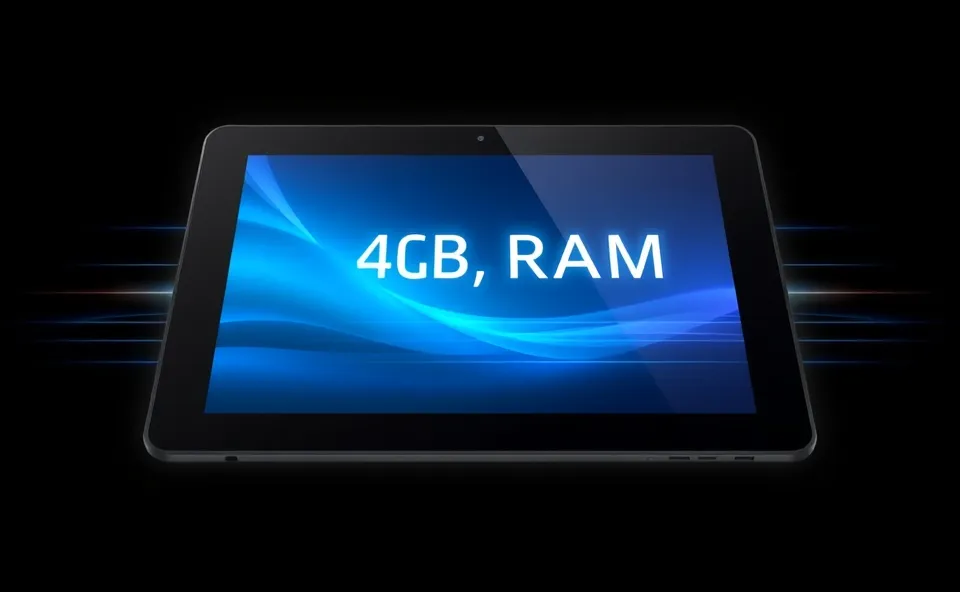
Amazon has a habit of making changes to its hardware without much fanfare. Recently, they did exactly that with the 2023 Fire tablet lineup. If you have been browsing for a new device, you might have noticed something different about the Amazon Fire HD 10. Without a big press release or a flashy event, Amazon quietly rolled out a version of the device that features a beefier internal configuration. Specifically, the tablet now comes with 4GB of RAM.
For most people, RAM is just a technical term, but in the world of budget tablets, it is everything. This Amazon tablet update is a subtle shift, but it changes how the device feels in your hand. However, this extra power does not come for free. Along with the hardware bump, there is a noticeable increase in the Fire HD 10 price. While the internals got a boost, everything else stayed exactly the same. You still get the same screen, the same processor, and the same battery life you expected from the original 2023 model.
It is a classic move from Amazon. They identified a pain point for their users and fixed it, but they decided to charge a bit more for the privilege. This means if you are shopping for an Amazon Fire HD 10 today, you are likely looking at a machine that can handle more tasks at once, even if it costs a few more dollars than the early 2023 versions.
Why Everyone is Talking About This Memory Bump
You might wonder why a small change in RAM is causing a stir in the tech community. To understand this, you have to understand the struggle of owning a budget tablet. Most affordable devices are great for one thing at a time. You open a movie app, you watch a show, and everything is fine. But the moment you try to jump between a web browser, a Kindle book, and a streaming app, the device starts to struggle.
People are searching for information on the Fire HD 10 4GB RAM update because memory is the primary bottleneck for these devices. When a tablet runs out of RAM, it has to close background apps to make room for the one you are currently using. This leads to those annoying moments where an app restarts from the beginning every time you switch back to it. By increasing the RAM, Amazon is effectively making the tablet feel faster and smoother without actually changing the CPU.
This update is trending because it hits a sweet spot. Users want a device that is cheap but does not feel “cheap” in its performance. A tablet RAM upgrade is often the most impactful change a manufacturer can make to improve the user experience. Now, shoppers are trying to figure out if the price hike is worth the extra performance or if they should look for older, cheaper stock of the previous version.
Looking Back at the Fire HD Lineup
To appreciate this update, we have to look at where the Amazon Fire HD 10 fits into the bigger picture. Amazon has always aimed for a specific market: people who want to consume content without spending hundreds of dollars on an iPad. The Fire tablet series is built for Prime Video, Netflix, and reading. It is not meant to be a professional workstation, but it is meant to be reliable.
The 2023 Fire tablet was already a solid entry. It featured a sharp 10.1 inch display that made it great for movies and a 2GHz processor that handled basic tasks well. One of the best parts of the design has always been the inclusion of microSD storage, allowing users to add massive amounts of space for movies and photos without paying for expensive internal storage upgrades.
When you compare it to the smaller Fire HD 8, the HD 10 has always been the powerhouse of the budget family. While the HD 8 is great for portability, the HD 10 is the one people choose when they want a real cinema experience on their lap. However, as apps became heavier and more demanding over the last year, the original RAM configuration started to feel a bit tight. This quiet update is essentially Amazon admitting that the modern internet requires a bit more breathing room to run smoothly.
What This Actually Means for the User
So, does 4GB of RAM actually change your daily life? In short, yes. If you only use your tablet to read a book before bed, you probably will not notice a difference. But for the average user, the impact is felt in the flow of the experience. With more memory, the tablet can keep more apps active in the background. This means switching from a recipe in your browser to a timer app and back again happens instantly rather than with a loading screen.
Here are a few specific ways this update helps:
- Better Multitasking: You can jump between different apps without the system forcing them to reload.
- Smoother Web Browsing: Modern websites are memory hungry. More RAM means you can have more tabs open in your browser before the page refreshes.
- Improved App Stability: Some larger apps are less likely to crash when the system has more headroom to operate.
- Long Term Viability: As apps get updated and become more demanding, a device with 4GB of RAM will stay usable for longer than one with less.
Of course, the trade off is the cost. The Fire HD 10 price increase means it is slightly less of a bargain than it used to be. However, for most people, the frustration of a lagging tablet is worse than spending a few extra dollars. The core Amazon Fire tablet specs remain the same, meaning you still get that dependable tablet battery life that lasts through a long flight or a weekend binge watch. You are essentially paying for a smoother, less frustrating version of the same hardware.
Where the Budget Tablet Market is Heading
This move by Amazon tells us a lot about where budget technology is going. For a long time, manufacturers tried to keep costs down by stripping away as much RAM as possible. But we have reached a point where the software simply will not run well without a certain baseline of memory. Amazon is signaling that 4GB is becoming the new minimum for a decent user experience.
In the coming months, we can expect other budget manufacturers to follow suit. We might even see a similar update for the Fire HD 8, as users there are likely feeling the same pinch with app performance. As the gap between high end tablets and budget tablets narrows, the focus will shift from just offering a screen to offering a screen that actually responds quickly to touch.
We can also expect Amazon to continue this strategy of quiet updates. Instead of launching a brand new model every single year, they are tweaking existing hardware to keep it relevant. This is a smart business move because it reduces the need for massive marketing campaigns while still giving the customer a better product. The future of the budget tablet is not about revolutionary features, but about refining the basics so the device just works.
Common Questions About the New Update
Is the new Amazon Fire HD 10 worth the price increase?
If you multitask or use several apps at once, yes. The Fire HD 10 4GB RAM configuration significantly reduces app reloading and lag, which makes the device feel much more modern and responsive compared to the lower RAM version.
What are the main Amazon Fire tablet specs for the 2023 model?
The tablet features a 10.1 inch display, a 2GHz processor, and supports microSD storage for expanded memory. The latest update specifically increases the RAM to 4GB while keeping the other hardware components identical to the previous 2023 version.
Will this update improve the tablet battery life?
Not directly. Since the battery capacity and the 2GHz processor remain the same, you can expect the same tablet battery life as before. However, because the system is not struggling as hard to manage memory, you might find the experience feels more efficient.
How does the Fire HD 10 compare to the Fire HD 8?
The Fire HD 10 is larger, has a better screen, and more processing power. While the Fire HD 8 is better for one handed use and portability, the Fire HD 10 is the superior choice for watching videos and general productivity.
Can I still add more storage to the 2023 Fire tablet?
Yes, the device continues to support microSD storage. This allows you to add a significant amount of extra space for your movies, books, and photos without needing to rely solely on the internal memory.











