

Getting Ready for the Global Spotlight
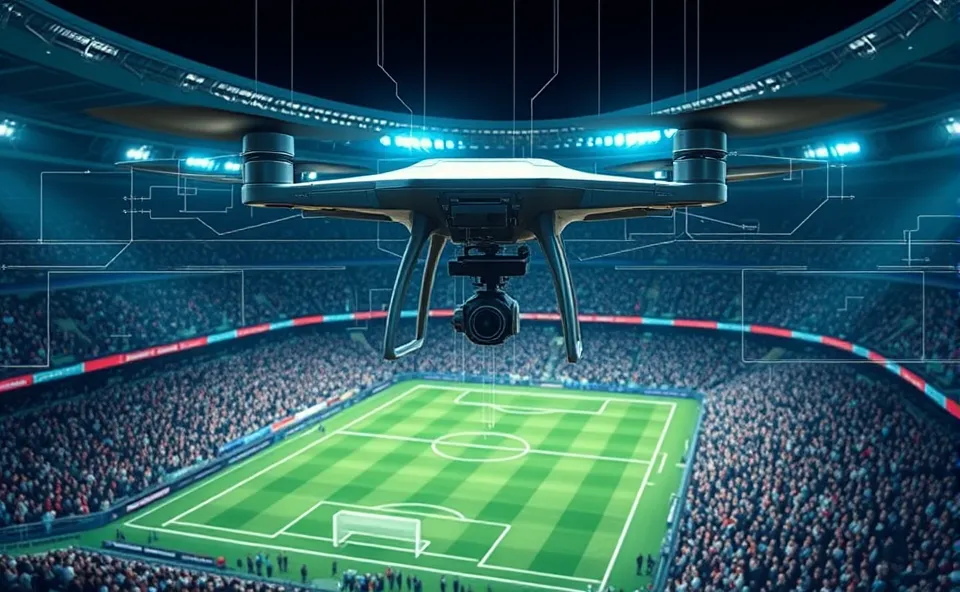
The United States is currently preparing for a massive wave of international attention. Between the upcoming World Cup and the 250th anniversary of the country, known as America250, millions of visitors are expected to flood major cities. While the excitement is building, there is a quieter, more technical side to these preparations that is worth watching. Local governments are upgrading their security systems, leaning heavily on tools like high-definition cameras, sophisticated drone technology, and facial recognition software to manage the influx of crowds.
For city officials, this is a matter of public safety. The goal is to ensure that massive events run smoothly and that emergency responders can react to problems in real time. However, for the people living in these cities, the sudden deployment of advanced urban monitoring tools raises serious questions. It is a classic tension between the need for order during a global event and the individual right to privacy.
Why Everyone is Suddenly Talking About Security
If you have noticed more conversations about World Cup surveillance lately, you are not alone. The shift in public interest comes from a growing awareness of how much data our cities actually collect. People are starting to realize that the cameras on street corners are no longer just simple recording devices. They are now linked to smart networks that can identify faces, track vehicle license plates, and monitor patterns of movement across entire neighborhoods.
Because the World Cup and America250 events are expected to draw record-breaking crowds, the government is accelerating the purchase and installation of these technologies. Residents are rightfully asking if these security measures will disappear once the festivities end, or if they are becoming a permanent part of the urban landscape. This fear that temporary measures might become the new normal is the primary driver behind the current public debate.
How We Got Here
The history of government surveillance in the U.S. has been a slow climb. Decades ago, urban monitoring was limited to analog cameras that required someone to watch a screen 24/7. Today, artificial intelligence handles the heavy lifting. Over the past few years, we have seen a rapid rollout of smart cities initiatives, which promised better traffic flow and energy efficiency. While these benefits are real, the hardware installed for those purposes often serves a dual role in surveillance.
As facial recognition tech became cheaper and more accurate, it transitioned from specialized government use to standard city infrastructure. When you combine this with the increasing affordability of drone technology, the result is a bird-eye view of city life that was unimaginable twenty years ago. These tools were initially tested in controlled environments, but the scale of the upcoming events is providing the perfect excuse to deploy them across entire urban centers.
What This Means for Daily Life
The impact of this shift is multifaceted. On the positive side, cities argue that these tools help find lost children faster, coordinate police presence during emergencies, and reduce the chance of violent crime in crowded areas. If everything works as intended, the fan experience at these events will be safer and more organized.
However, the impact on privacy rights is profound. When mass surveillance becomes an everyday occurrence, the dynamic between the government and the citizen changes. Here are some of the key concerns that businesses and residents should consider:
- Data Privacy Risks: With more data being collected, the risk of hacks or unauthorized access to sensitive information about where you shop, travel, and gather increases.
- Chilling Effect: When people know they are being tracked by facial recognition software, they may feel less comfortable participating in public protests or expressing themselves freely in parks and squares.
- Algorithmic Bias: Technology is only as good as the data it is trained on. There are valid fears that facial recognition can lead to mistaken identities and disproportionately impact certain communities.
- Lack of Transparency: Often, cities sign contracts with tech providers that make it difficult for the public to understand what kind of data is stored or how long it is kept.
The Road Ahead
Looking at the near future, it is highly likely that World Cup surveillance will act as a blueprint for long-term urban management. Once these systems are integrated into the city grid, removing them is costly and politically difficult. We will likely see a trend toward more autonomous monitoring, where drones patrol neighborhoods and cameras automatically alert police to suspicious behavior without human intervention.
The most successful cities will be those that prioritize transparency. If local governments want to use this technology, they should create clear rules about data privacy and provide regular reports to the public. Without those safeguards, we risk creating a culture where citizens feel like suspects rather than participants in the life of their own city. The balance between safety and liberty is fragile, and the decisions made during these upcoming events will define the shape of American urban life for a long time.
Frequently Asked Questions
What are the main privacy concerns regarding World Cup surveillance?
The biggest concern is the loss of anonymity in public spaces. When facial recognition and mass surveillance are constant, citizens lose the expectation of being unmonitored while walking down the street or attending an event.
How is drone technology changing city security?
Drone technology allows authorities to cover large areas of a city from the air, providing live video feeds that help manage crowds, traffic, and emergency response much more effectively than stationary cameras alone.
Does government surveillance pose a threat to privacy rights?
Many civil liberty groups argue that it does. The issue is not just the technology itself, but the lack of strict laws governing how that data is used, how long it is kept, and whether it is shared with third parties.
What should residents look for during America250 events?
Residents should stay informed about what kind of equipment is being deployed in their neighborhoods. Transparency regarding the use of biometric scanners or automated tracking in public parks and transit hubs is a good place to start.
Can cities balance public safety with data privacy?
Yes, but it requires strict oversight. Policies that limit data retention, ban the sale of surveillance data to private companies, and require public hearings before installing new tech can help maintain that balance.











