

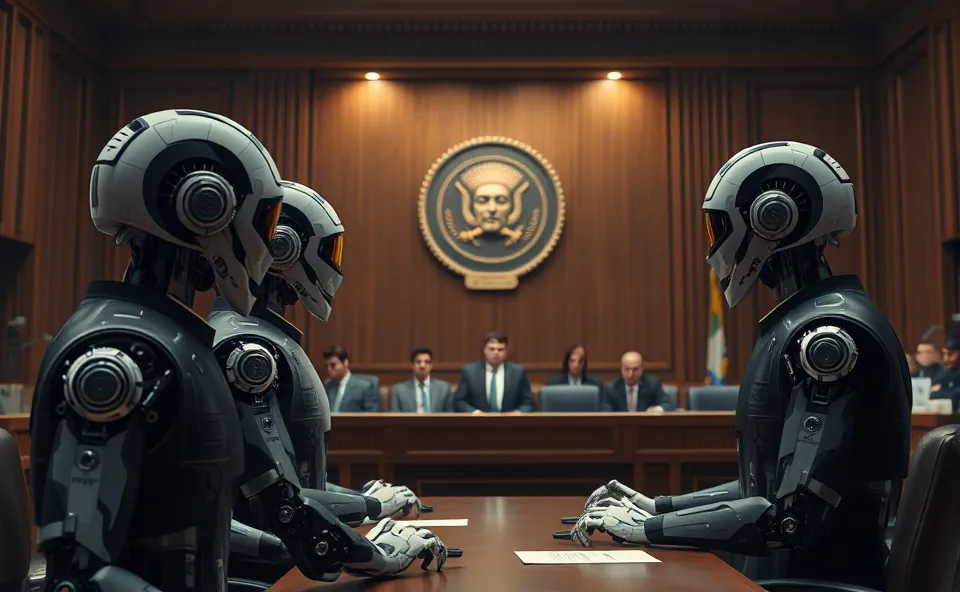
The showdown between tech and Tinseltown
There is a fascinating new chapter unfolding in the world of artificial intelligence. If you have been keeping an eye on the news, you might have noticed a major move from the team behind Midjourney. In a bold shift that is shaking up the entertainment industry, the company has officially asked major Hollywood studios to come clean about their internal AI usage. This is not just a polite request. It is a direct part of an ongoing legal dispute that is pushing the boundaries of how we define ownership in the digital age.
Essentially, Midjourney is demanding that studios pull back the curtain on how they use generative AI to build movies, shows, and marketing materials. By asking for full disclosure, the company is trying to understand the extent to which these powerful film houses are already using the same tools that are currently at the center of so much copyright debate. It is a classic case of the pot calling the kettle black, or perhaps, a strategic move to show that everyone in the room is using the same messy playbook.
Why everyone is suddenly talking about AI transparency
You might wonder why this story is exploding right now. The interest in this legal dispute stems from a simple, shared anxiety. We are living through a massive shift in content creation where the lines between human effort and machine generation are becoming incredibly blurry. People are searching for answers because they want to know who really owns the stories they watch and the images they see on their screens.
When a tech giant challenges a massive entertainment studio, it catches our attention because it signals that the rules of the game are being rewritten. The public, creators, and even casual movie fans are starting to ask the same questions: Is this movie real? Was this script written by a person? The growing demand for transparency is a direct result of us feeling like we are losing our grip on what is authentic. Everyone wants to know if their favorite franchises are being kept alive by people or by algorithms.
The messy history leading to this moment
To understand why Midjourney is pressing Hollywood for these details, we have to look at the tension that has been building for years. For a long time, studios and tech companies lived in different worlds. Silicon Valley was busy building tools, while Hollywood was busy protecting its intellectual property. However, as generative AI became more capable, those two worlds crashed into each other.
The core of this problem is copyright. For years, creators and artists have argued that AI models were trained on their work without permission. Meanwhile, studios have been cautious about adopting these tools while simultaneously worrying about their own ability to protect their famous characters and stories. When legal battles started popping up over how AI learns, it created a standoff. Now, by demanding disclosure, the tech side is essentially pointing at the studios and asking if they are actually practicing what they preach. It is a classic pivot from defense to offense, forcing the industry to reveal whether they are using AI in secret while fighting it in the courts.
What this means for the future of entertainment
This situation is more than just a boring legal fight. It is going to change how technology trends play out in the coming years. If studios are forced to admit how they use generative AI, it changes the way we look at blockbusters. Imagine knowing that a specific character design or a background scene was built by a machine rather than a team of artists. It forces a conversation about the value of human labor versus the efficiency of software.
For businesses, this creates a new level of risk. If a studio is found to be using AI in a way that violates the rights of others, it could lead to massive lawsuits and public backlash. On the flip side, if we get full transparency, it might actually make it easier for companies to adopt AI safely. We are heading toward a world where every piece of media might eventually come with a digital label explaining its origins. This impact goes beyond just the big screens, as it sets a precedent for how every creative industry handles intellectual property in the future.
Where the industry goes from here
Looking ahead, we are likely to see a period of intense negotiation. The demand for disclosure is just the first step in a long process of setting new industry standards. We probably will not see the end of generative AI in Hollywood. In fact, it is likely that studios will continue to use it, but they will have to be much more careful about their documentation.
We can expect to see:
- More robust policies regarding how AI tools are used during the creative process.
- New legal frameworks that clearly define when a machine-generated asset can be copyrighted.
- Increased pressure on tech platforms to offer better ways to trace the origin of AI content.
- A shift in how human roles are defined within the production cycle.
It is not going to be a quick fix. As technology trends continue to evolve, the law will keep trying to catch up. The outcome of this specific clash will serve as a blueprint for how the rest of the world handles the intersection of human creativity and computer power.
Common questions about the Midjourney and Hollywood legal struggle
What is the main reason Midjourney is demanding transparency from Hollywood?
Midjourney is seeking this information as part of an ongoing legal dispute regarding intellectual property. By uncovering how studios utilize AI usage, they aim to highlight how widespread these tools have become across the entire entertainment sector.
How does the current legal dispute affect everyday content creation?
The legal dispute creates uncertainty for anyone using generative AI. It forces everyone to reconsider how they protect their work and whether their own content creation methods might eventually be subject to similar transparency requirements.
Will this situation lead to stricter laws for AI usage?
It is very likely. As these high-profile cases move through the courts, they provide the foundation for lawmakers to create clearer rules about how AI tools are used, how data is processed, and who holds the rights to the resulting work.
Are studios required to tell us if they use AI?
Currently, there is no universal law that forces studios to label every piece of AI usage. However, this legal battle is pushing for a future where such disclosures might become a standard requirement for the sake of public transparency.
What does this mean for the future of intellectual property?
We are entering a new phase where intellectual property is harder to define. Because AI is so good at mimicking human styles, the courts are being forced to rethink what it means to “create” something and how we can effectively prove ownership in a digital world.











