

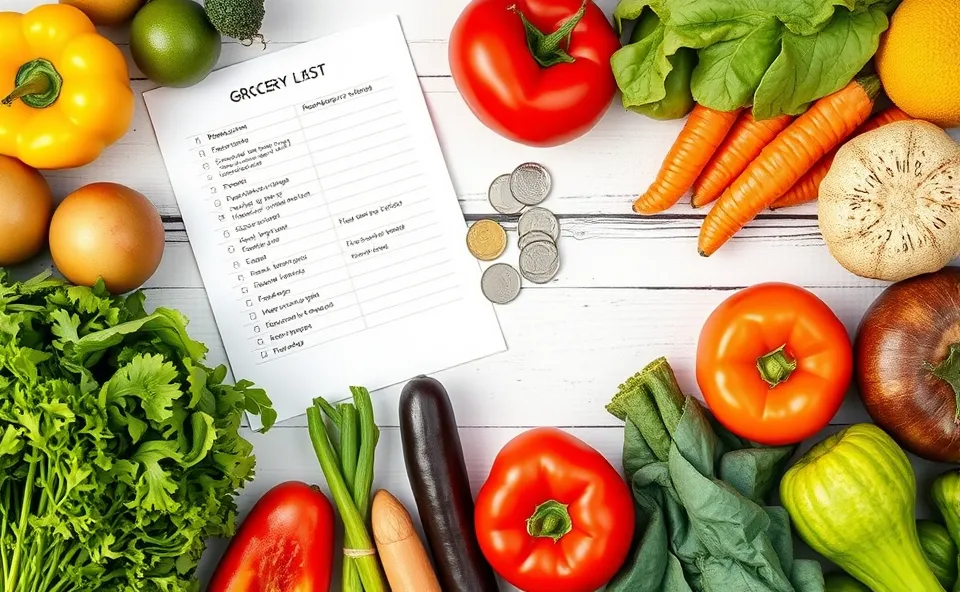
Why Your Grocery Bill Feels Heavier Lately
If you have walked through the supermarket aisles lately, you have probably noticed that your total at the checkout counter has been creeping upward. It feels like the same bag of essentials that used to cost fifty dollars now sets you back significantly more. This shift is not just in your head. The cost of food has risen across the board, making many of us take a closer look at our receipts and wonder how we can keep eating well without breaking the bank.
Frugal grocery shopping is no longer just a hobby for experts. It is a necessary skill for everyone. Whether you are feeding a family or just trying to manage your own household, the goal is simple: find a way to eat nutritious, delicious meals without feeling the stress of a shrinking wallet. The good news is that with a few small changes to your habits, you can take control of your spending again.
The Rising Demand for Smarter Shopping
So, why is everyone suddenly talking about budget-friendly meals? The reason is quite straightforward. When the price of everyday items jumps, we all look for ways to adapt. People are tired of paying more for the same quality, and they are seeking better ways to stretch every dollar. We are seeing a move away from convenience-based spending toward more intentional, planned purchasing.
Social media and online communities are buzzing with tips because we are all in this together. This collective search for value is turning into a movement where being smart about your pantry is seen as a badge of honor. You do not need to cut out the foods you love to save money. Instead, people are realizing that a bit of organization can yield significant results, making it much easier to maintain a healthy diet while keeping costs low.
Learning from the Past
To understand where we are going, it helps to look at where we started. A few decades ago, meal planning and careful shopping were the standard for most households. Grandparents often bought ingredients in bulk, canned their own produce, and wasted almost nothing. Over time, as convenience foods and delivery services became cheaper and more accessible, many of these skills faded away. We got used to grabbing whatever looked good at the store without a list or a plan.
Now, the pendulum is swinging back. We are relearning the importance of the shopping list strategy and the value of low-cost ingredients. This is not about living in the past, but rather reclaiming the practical habits that kept households stable for generations. By combining these traditional methods with modern tools, we can create a system that works for our fast-paced lives.
What This Means for Your Daily Life
When you start to master frugal grocery shopping, the impact goes well beyond just saving a few coins. It changes how you relate to your food. You stop viewing grocery shopping as a chore and start seeing it as a strategy. By focusing on food waste reduction, you stop throwing away produce that went bad in the back of the fridge. You realize that you can have affordable healthy food without sacrificing the taste you love.
For your health, this is a major win. When you rely more on whole, base ingredients rather than processed snacks, you naturally consume less salt, sugar, and preservatives. You become more creative in the kitchen, experimenting with spices and simple cooking techniques to make humble ingredients like lentils, beans, and seasonal vegetables taste like a gourmet meal. This shift helps you cultivate a sustainable lifestyle where you feel better physically and financially.
Looking Toward a More Efficient Kitchen
What does the future hold for our grocery habits? We are likely to see a continued emphasis on efficiency. Stores may offer more bulk options to meet the demand, and technology will likely play a bigger role in helping us track our inventory and plan meals based on what we already have on hand. As we move forward, the most successful shoppers will be the ones who treat their kitchen like a small business, managing their inventory with care.
Expect to see more focus on local and seasonal produce as well. Buying what is in season is often cheaper and tastes much better. By aligning our eating habits with the natural cycle of the seasons, we can continue to enjoy variety and nutrition at a fraction of the cost. The future of grocery shopping is not about deprivation, but about being clever with what you have.
Common Questions About Grocery Budgeting
How can I start meal planning effectively if I am busy?
Start small by planning just three days of dinners instead of a whole week. Look at what you already have in your pantry and pick two or three recipes that share similar ingredients. This reduces the number of items you need to buy and keeps your shopping list strategy focused.
Is couponing still a good way to save money on groceries?
Couponing can be a great tool, but do not feel pressured to use it for everything. Focus on coupons for items you actually use, especially staples like paper products or canned goods. Digital coupons through store apps are often more convenient than traditional paper ones and can help you save money on groceries with very little extra effort.
What are the best low-cost ingredients to keep on hand?
Stock up on versatile staples like dried beans, lentils, brown rice, oats, and frozen vegetables. These items are affordable healthy food choices that can form the base of countless meals. They have a long shelf life, which helps with food waste reduction by ensuring you always have something to cook when you are running low on fresh items.
How does bulk buying actually help with a grocery budget?
Bulk buying works best for items you use frequently, such as grains, pasta, spices, or coffee. The unit price is almost always lower when you buy in larger quantities. Just be sure to store them properly in airtight containers so they stay fresh, ensuring you do not lose money to spoilage.
What are some easy tips for food waste reduction?
The best tip is to use your freezer more often. If you have fresh produce that is about to go bad, chop it up and freeze it for soups or smoothies. Also, try to shop your own pantry before heading to the store to avoid buying duplicates of things you already own. Keeping your fridge organized helps you see what needs to be used first, which is a key part of successful grocery budgeting.











