

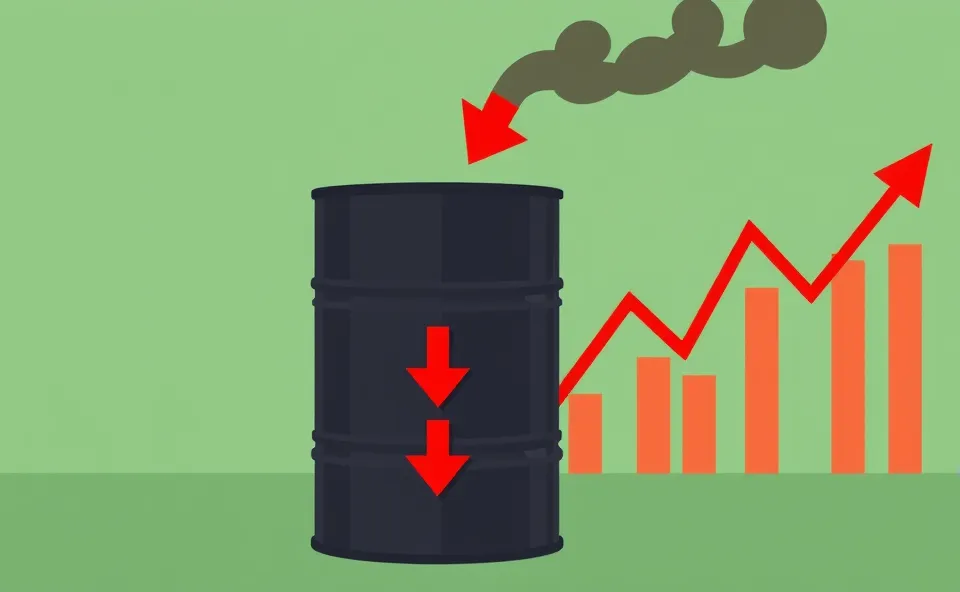
The Big Shift in Oil Supply
Imagine you are at a farmers market. For a few months, there have only been a few baskets of apples available. Because they are rare, the price goes way up. Then, suddenly, five more farmers show up with huge trucks full of apples. What happens to the price? It drops. Because there are now plenty of apples for everyone, the sellers have to lower their prices to make sure they sell their stock.
This is exactly what is happening right now with oil prices. The group known as OPEC+ decided to raise their production targets. In simple terms, they agreed to pump more oil out of the ground and put it into the global market.
When the world knows that a supply increase is coming, the market reacts immediately. Traders and investors start expecting a surplus. They realize that the oil market will not be as tight as it was before. As a result, we are seeing a crude oil fall. It is a basic lesson in supply and demand. When you increase the supply without a matching jump in demand, the price naturally slides down.
Why Everyone is Talking About These Price Drops
You might wonder why this specific move by a few countries makes so many headlines. It is because energy prices act like a heartbeat for the global economy. When oil prices move, almost everything else moves with them.
Right now, many people are struggling with the high cost of living. Inflation has made groceries, rent, and travel much more expensive. Since oil is used to fuel the trucks that deliver food and the planes that take us on vacation, a drop in crude oil prices can lead to a cooling effect on inflation.
People are searching for news on this because they want to know if they will save money at the gas pump next week. Businesses are watching it because lower fuel costs mean they can ship their products more cheaply. It is not just about the oil itself. It is about the ripple effect that starts in the oil market and ends up in the price of a loaf of bread.
How We Got to This Point
To understand why this production hike is such a big deal, we have to look at the history of OPEC+. This is a coalition of oil producing countries, led by the Organization of the Petroleum Exporting Countries and including allies like Russia.
For several years, this group has played a game of balance. During the pandemic, demand for oil crashed because nobody was traveling. To stop prices from falling too far, OPEC+ cut their production targets significantly. They intentionally limited the global crude supply to keep prices stable and profitable.
As the world reopened, they kept a tight grip on the supply. This strategy worked well for the producers, as it kept Brent crude and WTI prices high. Brent crude is the international benchmark for oil, while WTI is the standard for US oil. Both generally move in the same direction.
However, keeping the supply low for too long creates tension. Other countries, like the United States, started producing more of their own oil to fill the gap. This meant OPEC+ was losing some of its influence over the market. By deciding to raise output now, they are attempting to reclaim their role as the primary managers of the energy landscape.
What This Means for Your Wallet and the World
A drop in oil prices is a double edged sword. Depending on who you are, it is either great news or a major problem.
For the average consumer, the impact is usually positive. Lower energy prices mean lower costs for gasoline and heating. When transportation becomes cheaper, the cost of moving goods decreases. This can lead to lower prices for consumer goods over time.
For businesses, the impact varies:
- Logistics and Shipping: These companies see an immediate boost in profit margins because fuel is one of their biggest expenses.
- Airlines: Lower jet fuel costs allow airlines to keep ticket prices stable or even offer discounts.
- Manufacturing: Many plastics and chemicals are made from oil. A crude oil fall can lower the cost of raw materials.
On the other hand, the countries that rely entirely on selling oil face a challenge. When prices drop, their national budgets take a hit. This can lead to less spending on infrastructure or social programs in those regions.
There is also a technological angle. High oil prices usually push companies to invest faster in electric vehicles and green energy. When oil becomes cheap again, the urgency to switch to alternatives might slow down for some people.
Looking Ahead at the Energy Landscape
So, where do we go from here? It is unlikely that oil prices will continue to plummet forever. The market always seeks a balance.
If prices drop too low, it becomes too expensive for some companies to pump oil out of the ground. When that happens, production naturally slows down, which pushes prices back up. OPEC+ also keeps a close eye on the numbers. If they see that the supply increase is hurting their profits too much, they may decide to cut production targets again in the future.
We also have to consider global oil demand. If the global economy grows quickly, the world will need more oil, which will offset the supply increase. If we enter a recession, demand will fall, and we could see prices drop even further.
The long term trend is a move toward diversification. While the commodity market is currently focused on these production hikes, the world is slowly shifting away from a total reliance on crude. The real story in the coming years will be how the oil market survives the transition to cleaner energy.
Common Questions About the Oil Market
Why do oil prices drop when OPEC+ output increases?
Oil prices drop because of the law of supply and demand. When OPEC+ increases the amount of oil available in the market, there is more supply than there was before. If the demand for oil stays the same, the extra supply forces the price down to attract more buyers.
What is the difference between Brent crude and WTI?
Brent crude is sourced from the North Sea and serves as the main price benchmark for oil traded globally. WTI, or West Texas Intermediate, is a US benchmark. While they are very similar, their prices can differ slightly based on local supply, quality, and transportation costs.
Will a crude oil fall lead to cheaper gas at the pump?
Generally, yes. Crude oil is the raw material used to make gasoline. When the cost of the raw material goes down, refineries can lower the price of the finished product. However, this change can take a few weeks to reach the consumer.
How does a supply increase affect the global economy?
A supply increase usually lowers energy prices, which can act as a tax cut for consumers and businesses. This often helps lower inflation and can stimulate economic growth by reducing the cost of transportation and manufacturing.
What happens if oil demand falls while production targets are high?
If demand falls while supply is increasing, it creates a surplus. This leads to a sharper drop in oil prices. In such cases, OPEC+ often steps back in to cut production to prevent the market from crashing.











