

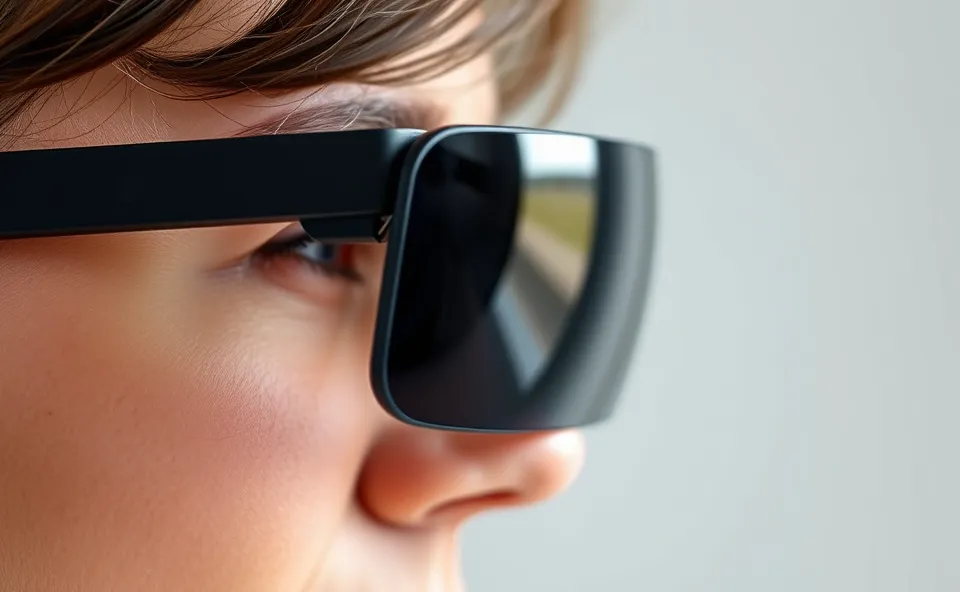
A Fresh Approach to Smart Glasses and Being Seen
Wearable technology has lived in a weird middle ground for years. We all want the cool features of augmented reality, but we also feel that nagging sense of unease when someone starts wearing a camera on their face. It is a social tension that has stalled the adoption of smart eyewear for a long time. Recently, the makers of Solos smart glasses decided to tackle this head on with a very clever physical solution. They have introduced a dedicated camera privacy shield that physically blocks the lens when it is not in use. It is a simple, analog fix for a digital headache, and it might just change how we look at the future of wearable tech.
The core of this development is the shift toward transparency. Instead of asking people to just trust that a light or a software icon means the camera is off, Solos smart glasses provide a visual guarantee. If the shield is closed, there is zero chance the camera is recording. It is the tech equivalent of putting a piece of tape over your laptop webcam, but built right into the frame of the glasses from day one. This small piece of engineering acknowledges that privacy is not just a software setting. For many users, it is a basic requirement for feeling comfortable wearing technology in public spaces.
Why Everyone Is Talking About Privacy Right Now
You might have noticed a sudden surge in interest regarding camera privacy and the way our gadgets handle data. This is not a coincidence. As consumer electronics get smaller and more integrated into our daily lives, the lines between helpful tools and intrusive devices have started to blur. People are becoming much more cautious about how their personal information is gathered, stored, and shared.
When you walk into a coffee shop or a meeting wearing glasses that could theoretically record your surroundings, you are changing the social dynamic of that space. Others may feel watched or recorded without their consent. The search interest in this topic is climbing because consumers are finally asking the right questions before they commit to high-end hardware. They want the benefit of smart features, but they are no longer willing to trade their privacy to get them. By prioritizing a camera cover, brands are finally listening to what their customers have been saying for years: if you want us to wear your gear, you need to make us feel safe.
How We Got Here With Wearable Tech
If we look back at the last decade of device privacy, it has been a rocky road. Early attempts at smart eyewear were often seen as clunky or overtly invasive. We remember the initial hesitation from the public when cameras first appeared on glasses. The industry struggled because it treated privacy as an afterthought, often buried deep in long legal documents or opaque menu settings.
For a long time, the tech world operated on a model where data collection was the default. If a device had a sensor, it was assumed that sensor should be on most of the time. This approach created a culture of distrust. Now, we are seeing a correction. The industry is moving toward “privacy by design,” which means security features are baked into the hardware itself rather than being added as a software patch later. This transition is essential for the industry to grow. Without clear, physical evidence of safety, smart eyewear will always be viewed with suspicion rather than excitement.
What This Means for the Future of Devices
The move by Solos smart glasses to include a privacy shield has significant implications for the broader market. First, it sets a new baseline for consumer electronics. Competitors will likely feel the pressure to offer similar physical safeguards. If one brand can prove that privacy and functionality can coexist, it becomes much harder for other companies to justify why their devices do not offer the same protection.
For businesses, this is a lesson in user trust. Building a device is not just about specs, battery life, or screen resolution anymore. It is about the social contract between the user and the manufacturer. When a company provides a tangible way to stop data collection, they are telling their users that they respect their boundaries. This builds brand loyalty in a way that marketing campaigns never could. Furthermore, as augmented reality becomes more common in workplaces and homes, having these physical stops will be necessary to ensure that sensitive environments remain protected from accidental recording.
The Road Ahead for Smart Eyewear
Looking forward, we are likely to see more innovation in the space of device privacy. The next step is not just about physical covers, but about how information is processed locally on the device. Ideally, data should stay on your glasses and never reach the cloud unless you explicitly want it to. We are moving toward a world where smart eyewear functions more like a private assistant and less like a constant surveillance tool.
We should also expect more design creativity. The goal will be to make these privacy features feel invisible. The best technology is the kind that you do not have to think about. Whether that means automatic shutters that slide over lenses or even more advanced biometric locks that only allow the glasses to record when the owner is using them, the focus will remain on user control. Innovation in this space will not be measured by how many pixels the camera has, but by how much power the user has to switch that camera off when the moment is not right.
Common Questions About Privacy and Smart Glasses
How do Solos smart glasses manage camera privacy for the user?
Solos smart glasses prioritize security by including a physical camera privacy shield. This cover acts as a literal barrier, ensuring that the lens is blocked whenever you want to guarantee that no recording is happening, providing peace of mind that software alone cannot offer.
Why is wearable tech privacy so important for the average consumer?
Wearable tech privacy is crucial because smart glasses exist in public spaces where others may not consent to being recorded. Having clear, visible safeguards like a camera cover helps maintain social comfort and protects personal boundaries for both the wearer and the people around them.
Does a camera cover affect the performance of smart eyewear?
Generally, no. A well-designed camera cover is meant to be a simple, manual toggle. It does not interfere with the internal hardware or data protection standards of the device. Its only job is to provide a mechanical stop to recording, keeping the device’s core technology ready to go once the cover is reopened.
Will future smart eyewear include more security features beyond privacy shields?
Yes, as augmented reality and smart eyewear security continue to evolve, we expect to see features like local data processing, encrypted storage, and more granular app permissions. The goal for manufacturers is to make the device feel as private as a smartphone while offering the expanded capabilities of modern wearable tech.
How does device privacy influence the success of new tech innovations?
Device privacy has become a major selling point. When consumers know that their electronics have built-in protections, they are much more likely to adopt new innovations. Companies that take a proactive stance on data protection tend to see higher levels of trust and long-term engagement from their user base.











