

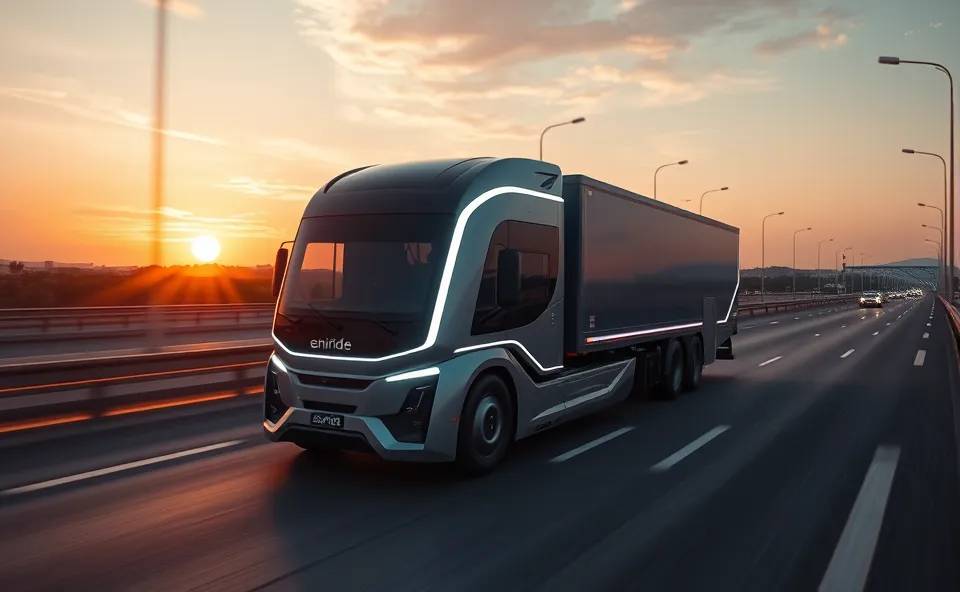
The Big Shift in Moving Cargo
If you have been watching the world of shipping lately, you might have noticed a quiet revolution taking place on the road. Einride has been making some serious waves. In simple terms, the company is building a new way to move goods using a mix of electric freight vehicles and remote-operated technology. Instead of just putting a person in every truck, they are creating a digital ecosystem where these trucks can be monitored and directed from a distance. Recently, they have been landing big deals with major global brands, proving that their vision is moving out of the test phase and into the real world of daily commerce.
This is not just about making trucks run on batteries. It is about a total rethink of how we get products from a factory to a store. By combining the efficiency of autonomous trucking with a software platform that tracks every movement, Einride is showing that logistics can be both cleaner and more predictable. They are essentially turning the traditional trucking model on its head, moving away from fragmented, paper-heavy systems toward a seamless, data-driven freight platform.
Why Everyone Is Talking About Autonomous Logistics
You might wonder why there is so much buzz around Einride and its approach to logistics technology right now. The answer is simple: the current way we move things is becoming too expensive and too unpredictable. Businesses are feeling the pressure to reduce their carbon footprint, but they cannot afford to lose speed or reliability. Sustainable logistics has shifted from being a nice marketing goal to a strict requirement for major companies.
People are searching for answers in this space because the global supply chain has faced constant hurdles over the last few years. Every company wants to find ways to make their shipping cheaper and more resilient. Einride enters this conversation with a compelling promise: they can help you lower emissions while also making the entire shipping process smarter. When a company proves that technology can save both the planet and the bottom line, the market takes notice very quickly.
From Visionary Concept to Road Ready Reality
To understand where Einride is going, it helps to look at where they started. They did not just wake up and decide to build electric trucks. They started with the core idea that the transport industry was ripe for a digital transformation. Years ago, the concept of a truck without a driver in the cab seemed like something out of a science fiction movie. But the company spent years refining their technology, testing it in controlled environments, and working closely with regulators to ensure safety was the top priority.
Their approach to shipping innovation was different from the start. Rather than just selling trucks, they built a freight platform. This software acts as the brain of the operation, coordinating the vehicles and ensuring that the right goods get to the right place at the right time. By focusing on supply chain automation, they allowed businesses to stop worrying about the minutiae of fleet management and start focusing on their core business goals. This foundation is exactly why they are currently succeeding where others have struggled.
What This Means for the Future of Global Trade
The impact of Einride on the industry is starting to look significant. For businesses, this means more visibility. When you use their system, you are not just hoping your shipment arrives on time. You have a digital stream of data telling you exactly where your products are, how much energy is being used, and if there are any potential delays. This level of transparency is a massive upgrade over the old way of shipping.
For the technology sector, this is a clear signal that the time for autonomous freight is now. We are moving past the experimental phase. Companies are now looking at how to scale these solutions across entire regions. The ripple effect here is huge. As more companies adopt these electric freight vehicles, the demand for charging infrastructure will grow, which will further push governments to invest in green energy grids. It creates a positive cycle where technology drives policy, and policy makes the technology easier to use.
The most exciting part is the shift toward automation. It does not necessarily mean removing humans from the process. Instead, it changes what those humans do. Operators can sit in central hubs and manage multiple trucks at once, which is safer and more efficient. It is a win for labor, as it creates new types of tech-heavy jobs, and a win for companies, as it reduces the risks associated with long-haul driving.
Where the Road Leads From Here
Looking ahead, the path for Einride seems clear but demanding. Their next challenge is scale. Moving from pilot projects to full-scale, nationwide shipping routes is the hardest part of any hardware-heavy business. They need to ensure that their software remains robust even as the number of active trucks on the road grows into the thousands.
We should expect to see Einride focusing heavily on partnerships. They are likely to embed themselves deeper into the supply chains of multinational companies that have high-volume shipping needs. As they grow, their data becomes more valuable, allowing them to optimize routes and loading schedules even further. It is a logical progression. The more they move, the smarter their platform gets, and the harder it becomes for traditional trucking companies to keep up.
While we probably will not see every truck on the highway become autonomous overnight, we will see a growing divide between companies that embrace digital-first logistics and those that stick to the old ways. Einride is betting that the efficiency gains will be too high to ignore. If their recent momentum is any indication, they are making a very smart bet.
Common Questions About Autonomous Shipping
What makes Einride unique compared to other freight companies?
Einride stands out because they provide an end-to-end freight platform. Instead of just providing hardware like electric freight vehicles, they combine that with proprietary software to manage the entire journey. This focus on supply chain automation allows for better efficiency and real-time tracking that most traditional trucking firms cannot match.
Is autonomous trucking safe for public roads?
Safety is the top priority for Einride. Their autonomous freight systems are heavily monitored, often featuring remote human oversight. This means a skilled operator can step in and take control if needed, which provides a massive safety net that makes these vehicles suitable for public road operation under strict regulations.
How does Einride help with sustainable logistics?
By using electric freight vehicles instead of diesel-powered trucks, Einride directly reduces the carbon emissions associated with shipping. Furthermore, their freight platform optimizes routes to ensure that trucks are not traveling empty or taking inefficient paths, which further minimizes energy usage and environmental impact.
What is the benefit of a digital freight platform for businesses?
The main benefit is visibility and control. Businesses using Einride gain access to a digital dashboard that tracks their cargo, monitors vehicle health, and manages shipping schedules. This level of data insight helps companies cut costs, avoid shipping delays, and meet their own internal sustainability goals.
What is the future outlook for Einride growth?
The growth potential for Einride looks strong as they expand their reach into more global markets and integrate further with large retailers and manufacturers. As they scale, their ability to provide cheaper, cleaner, and more reliable autonomous trucking will likely make them a standard choice for companies looking to modernize their logistics operations.











