

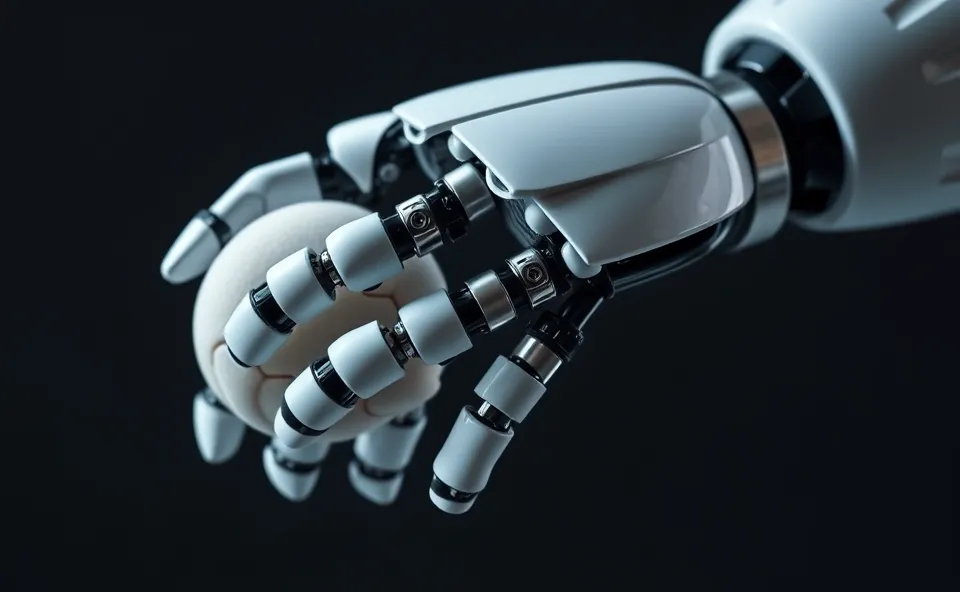
A Huge Leap for Robot Hands
For a long time, the dream of having a robot around the house felt like something stuck in a sci-fi movie. We have seen machines that can vacuum floors or mow lawns, but they usually lack the grace to do anything delicate. That is finally starting to change. The 1X Neo robot recently showed off its new hands, and they are nothing like the clunky metal pincers we are used to seeing in old engineering labs. These new robot hands are surprisingly fast, soft to the touch, and capable of movements that actually mirror how a human hand works.
When you watch the 1X Neo robot in action, the first thing you notice is the speed. Most robots move with a stiff, calculated precision that makes every action take forever. These hands, however, move with a fluidity that feels almost organic. They use advanced tactile technology to sense what they are grabbing, which means they can pick up a fragile egg or a glass of water without crushing it. This is a massive step forward for the world of humanoid robot design.
Why Everyone Is Talking About These Fast Fingers
People are buzzing about this technology because it hits a sweet spot that robotics companies have missed for decades. We have had incredible AI for years, and we have had powerful motors for even longer. The missing link has always been the interface between the machine and the real world. If a robot cannot manipulate everyday objects like a pen, a dish, or a piece of clothing, it stays a novelty rather than a tool.
The 1X Neo robot is getting so much attention because it proves that dexterity is becoming affordable and practical. We are moving past the phase where robots were just experiments for universities. Now, we are looking at machines that are designed to exist in our spaces. When a piece of technology starts solving problems that actually affect our daily lives, like folding laundry or clearing the table, it moves from being a cool project to being a household essential. That shift is exactly why the conversation around robotics has suddenly become so intense.
The Long Road to Better Robotics
To appreciate how far we have come, it helps to look at where we started. Early robotics relied heavily on pre-programmed movements. If you wanted a robot to pick up a box, you had to map out every single millimeter of the journey. If the box moved two inches to the left, the robot would grab at thin air. These machines were fast if the environment was perfect, but they were useless in the messy, unpredictable reality of a human home.
As the industry progressed, researchers began focusing on tactile technology. This is the secret sauce that allows the 1X Neo robot to feel what it is holding. Instead of relying only on cameras to guess distance, the hands provide feedback to the robot’s AI brain. This transition from “blind” automation to “feeling” robotics has been the holy grail for engineers for a long time. Now that 1X has successfully combined this sense of touch with high-speed movement, they have effectively bridged the gap between a machine that can move and a machine that can help.
What This Means for Our Daily Lives
The impact of having a home robot that can actually handle objects is huge. Think about the way your home is set up. It is built for hands. Doorknobs, switches, utensils, and zippers are all designed for human fingers. Until now, robots needed specialized tools to interact with these things. By creating a humanoid robot with hands that function like ours, we are essentially making the world accessible to automation in a way it never was before.
For individuals, this could eventually mean help with household chores that are physically difficult or just plain boring. Whether it is helping an elderly person maintain their independence by assisting with daily tasks or simply taking the weight of endless cleaning off a busy family, the potential is clear. Businesses are watching this closely as well. In professional settings, this kind of advanced robotics could handle delicate sorting, packing, or customer-facing tasks that require a gentle touch, rather than just raw strength.
The Road Ahead for Helpful Machines
So, what happens next? We are not going to see these robots in every living room tomorrow, but the path is getting clearer. The next few years will likely be about refinement. Developers will work on making these hands even more durable and improving the AI so the robot understands the intent behind every action. It is one thing for a machine to grab a coffee mug, but it is another thing for it to know when you want it to be refilled.
We should expect the 1X Neo robot to get better at handling complex environments. A kitchen is a very chaotic place with hot surfaces, spilled liquids, and narrow spaces. As the AI becomes more sophisticated, these robots will learn to navigate these hurdles with even greater safety. The focus will shift from just making them move to making them helpful, reliable companions that can safely operate alongside us. It is an exciting time because we are finally moving away from robots that just look like humans and toward robots that can actually act like them.
Frequently Asked Questions
What makes the 1X Neo robot hands so different from older models?
Most older models used rigid, mechanical claws designed for industrial lifting. The 1X Neo robot uses advanced tactile technology that allows it to sense pressure and texture, making the hands soft, agile, and capable of delicate movements similar to a human hand.
How will a home robot like this help with chores?
Because the robot is equipped with dexterous hands, it can handle everyday household items like laundry, dishes, or books. This allows it to perform tasks that require fine motor skills, which was previously impossible for most home robots.
Is the 1X Neo robot safe to use around people?
Safety is a core priority for advanced robotics. By using soft materials and sensitive touch sensors, the 1X Neo robot is designed to interact with its environment without causing damage to objects or injury to people nearby, which is a significant improvement over industrial machines.
What role does AI play in how these robot hands work?
AI acts as the brain that coordinates the movement of the hands. It processes data from tactile sensors in real time to adjust grip strength and finger position, ensuring that the robot can grasp a wide variety of items without dropping or breaking them.
Will the future of robots focus mostly on humanoid designs?
The humanoid design is gaining traction because our homes and tools are built for humans. By creating robots that share our form and dexterity, we do not have to redesign our entire world to accommodate machines. This makes humanoid robots a very logical choice for the future of home automation.











