

The New Signal in Your Field of Vision
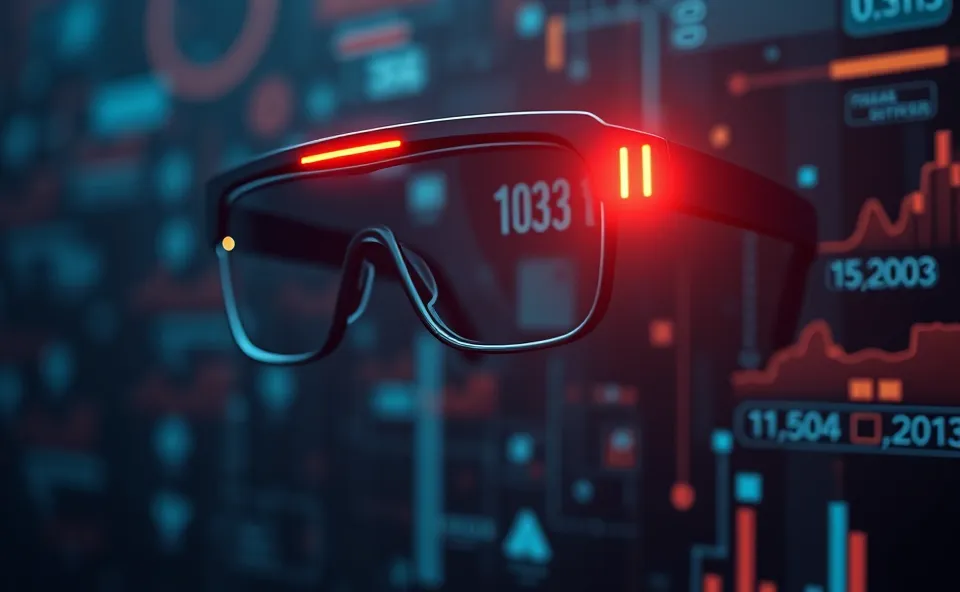
Imagine you are sitting in a coffee shop. You look up and see someone wearing a sleek pair of glasses. They look just like regular frames, but there is a tiny, glowing light on the side. That little light is a signal. It tells you that the person is currently using their camera or that the built-in AI is active. This is not a scene from a sci-fi movie. It is the new reality Meta is building with its latest hardware.
Meta recently introduced a specific safeguard for its latest line of AI glasses. The goal is simple. They want to provide a clear visual cue to the people around the wearer. When the glasses are recording or processing visual information, a light turns on. It is a small gesture, but it carries a lot of weight. It is an attempt to address one of the biggest hurdles in the world of wearable tech: the feeling of being constantly watched without knowing it.
By adding this indicator, Meta is trying to solve a social problem. We have all felt that slight prickle of unease when we suspect someone might be filming us secretly. This new safeguard is meant to build trust. It says to the world, “If this person is capturing data, you will see a light to let you know.” It is a move toward making these devices more socially acceptable in public spaces.
Why This Small Change Matters Right Now
You might be wondering why a tiny LED light is making such a big splash in the tech world. The reason is that we are currently at a massive turning point. Artificial intelligence is moving out of our phone screens and into our physical world. We are no longer just typing questions into a box. We are now looking at the world through the eyes of machines.
People are searching for information about this because the tension between convenience and privacy has never been higher. On one hand, we want tools that can identify the plant in front of us, translate a menu in real time, or remind us of a person’s name. On the other hand, the idea of a device that is always “on” and always “seeing” feels like a massive leap toward constant surveillance. Every time a new gadget is released that blurs the line between a tool and a camera, the conversation around privacy concerns heats up.
The timing is also perfect because the hype around AI is at an all-time high. Everyone wants to know how this tech will change their daily lives. However, as the excitement grows, so does the scrutiny. People want to know if they can enjoy the magic of augmented reality without feeling like they are living in a digital panopticon. Meta is trying to answer that question with this new light, even if the answer feels a bit complicated.
A Quick Trip Down Memory Lane
To understand where we are, we have to look at where Meta started with this concept. They did not just wake up one day and decide to make high-tech AI glasses. This has been a long journey of trial and error. If you remember the early days of smart glasses, specifically the Ray-Ban Stories, you will see how far things have come.
The Ray-Ban Stories were essentially a stylish way to take photos and videos. They were cool, they were functional, and they were a great proof of concept. But they were limited. They were mostly just wearable cameras. They did not have a “brain” that could understand the world around them. They were passive devices. You used them to capture a moment, and then that was it.
Since then, the technology has shifted from simple capture to active intelligence. The focus has moved from just recording video to processing the world in real time. This shift is what changed the stakes. A camera is one thing, but an AI that can see, hear, and interpret your surroundings is something entirely different. This evolution is why the safeguards we see today are so much more important than the ones we saw a few years ago.
The Tug of War Between Utility and Surveillance
Here is where things get interesting, and perhaps a little bit messy. While Meta is introducing these safeguards to soothe privacy concerns, they are also simultaneously executing a massive AI strategy that relies on more data than ever before.
There is a fundamental contradiction at play here. To make AI glasses truly helpful, the device needs to see what you see. It needs to understand the context of your life. To get better at this, the AI needs to be fed vast amounts of information. This means that more data collection is actually a requirement for the product to work well. The more the glasses learn from your walks, your dinners, and your meetings, the more useful they become. But that same process is what fuels the fear of constant surveillance.
This creates a strange dynamic for the user. You get a light that tells you when the device is active, which provides a sense of security. Yet, the very existence of the device is designed to turn your lived experience into data points for training advanced models. It is a delicate balancing act. Meta is trying to prove they can be responsible with ethical AI, while also building a platform that lives and breathes on the data they collect from the physical world.
For businesses and developers, this is a gold mine. The ability to gather data on how people interact with the real world is incredibly valuable. For the average user, however, it feels like a continuous negotiation. You are essentially trading bits of your privacy for bits of convenience. The safeguard is a way to make that trade feel a little more transparent, but it does not change the fact that the trade is happening.
What the Next Chapter of Wearable Tech Looks Like
So, where does this all lead? If we look at the trajectory of this technology, it is clear that we are moving toward a future of seamless integration. We are not just looking at glasses that take photos. We are looking at the foundations of true augmented reality.
In the coming years, we can expect these devices to become even more discreet. The hardware will get smaller, the sensors will get more powerful, and the AI will become much more intuitive. We might eventually reach a point where we stop thinking about these as “smart glasses” and just view them as a natural extension of our senses. They will be our eyes, our ears, and our personal assistants all in one.
However, this future will likely be defined by how we handle the ethical implications. The success of wearable tech will not just depend on how good the lenses are or how fast the processor is. It will depend on whether society trusts the companies making them. We will likely see more intense regulations and a greater demand for transparency. Companies will have to move beyond just adding a little light to their frames. They will need to prove that their AI strategy respects the boundaries of the people wearing the devices and the people standing near them.
Frequently Asked Questions
How do the new AI glasses from Meta protect user privacy?
Meta uses a visual indicator, such as a small LED light, to signal when the device is actively recording or using its camera. This is intended to let people around the wearer know that the hardware is capturing information, which helps to address immediate privacy concerns in social settings.
Why is data collection such a huge part of the Meta AI strategy?
For AI to become truly helpful in a wearable format, it needs to understand the physical world. Extensive data collection allows the models to learn from real-world environments, which makes the AI smarter and more capable of performing tasks like object recognition or real-time translation.
How do these new smart glasses differ from the old Ray-Ban Stories?
While Ray-Ban Stories were primarily focused on being a wearable camera for capturing media, the newer versions are built around a deep AI strategy. They are designed to be interactive and intelligent, using sensors and software to interpret the user’s surroundings rather than just recording them.
Will augmented reality lead to more surveillance?
There is a significant possibility that as augmented reality becomes more common, the level of ambient surveillance in public spaces could increase. Because these devices can see and hear what a user sees and hears, the conversation around how to manage this data and protect individual privacy is becoming a top priority for tech developers.
How can companies approach ethical AI in wearable tech?
Approaching ethical AI involves more than just adding privacy safeguards like lights. It requires transparent data policies, giving users clear control over what is being recorded, and ensuring that the data collected is used in ways that are predictable and respect the boundaries of both the user and the public.











