

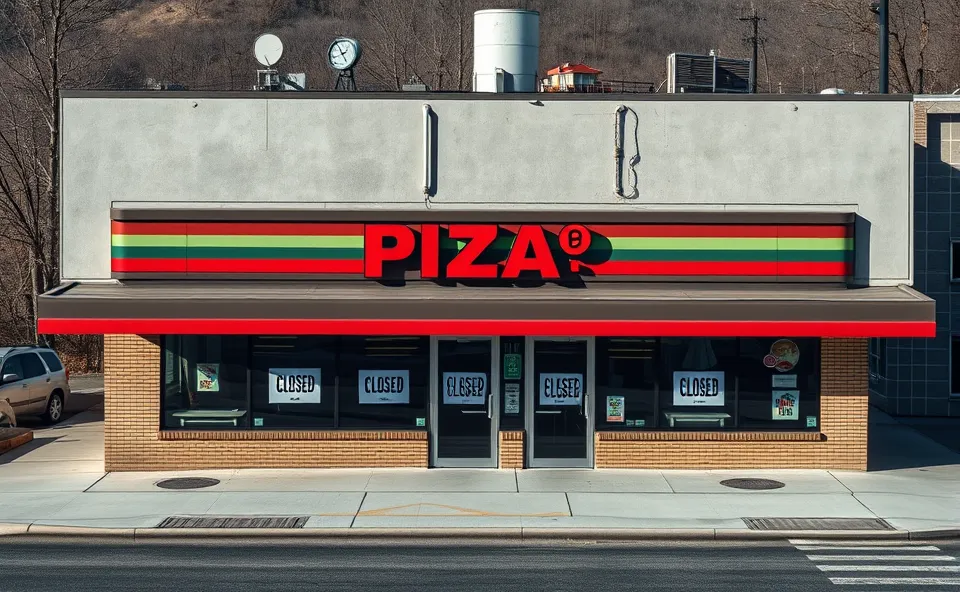
A Tough Slice for the Pizza Industry
If you have been keeping an eye on the food industry lately, you might have heard that Papa John’s is pulling the plug on 50 locations. It is never easy to see a neighborhood staple lock its doors for good, but in the world of big business, these decisions are often part of a much larger strategy. The company is officially clearing out underperforming locations to help the brand get back on stable footing after a particularly rough stretch.
At its core, this move is about pruning the tree so the rest of the branches can grow. By cutting off spots that are not bringing in enough money or are struggling to keep up with operational costs, the company hopes to focus its energy on the stores that are actually hitting their marks. It is a classic move in business restructuring, intended to stop the bleeding and prepare for a leaner, more efficient future.
Why Everyone is Talking About This Pizza Chain Right Now
The buzz surrounding these store closures is growing because people are starting to notice a shift in the landscape of quick-service restaurants. When a major player like this announces a large-scale shutdown, it makes consumers and investors stop and wonder if the dining market is cooling off.
There is a lot of curiosity about how these brands navigate the balance between staying profitable and keeping prices low for hungry customers. People are also paying closer attention to the operational side of things. They want to know if the food quality is changing or if the brand is simply becoming less relevant in a world filled with endless delivery options and gourmet pizza trends. This particular pizza chain has been a household name for decades, so when it takes such a big step, it sparks a conversation about the health of the entire industry.
Looking at the Path That Led Here
To understand why this is happening, we have to look at the broader context of the restaurant decline that many big chains have faced recently. The last few years have been a gauntlet for businesses that rely on physical storefronts. Rising costs for labor, ingredients, and delivery services have squeezed profit margins tighter than ever before. Even for a giant, the math has become increasingly difficult to balance.
Beyond the simple rising costs, we have seen a massive shift in how people eat. The rise of third-party delivery apps and the change in consumer habits mean that every restaurant is now competing with everyone else in town, not just other pizza shops. There have also been internal challenges. As part of a larger business ecosystem, Papa John’s has been working to streamline its operations. Reports suggest that collaborations with partners like MTY Group and internal executive decisions have been focused on finding the right footprint. For a long time, the strategy was growth at all costs, but now, the focus has shifted entirely to operational efficiency and long-term sustainability.
What This Means for the Future of Dining
So, what does this actually mean for you and the market at large? First, it signals that the era of rapid, uncontrolled expansion is likely behind us. Restaurants are becoming much more selective about where they set up shop. You will likely see fewer locations in general, but the ones that remain may receive more attention, better maintenance, and more consistent service.
For the business side of things, this represents a pivot toward data-driven decisions. Executives are no longer guessing where they should be; they are looking at deep data sets to see which markets are viable and which are becoming liabilities. This is a sign of a maturing market. It is not necessarily the end of the road for the brand, but it is a clear message that the company is willing to sacrifice short-term size for long-term health.
Technology is also playing a huge role here. Efficiency is the name of the game. If a store cannot handle the demands of a high-tech delivery world, it becomes a burden rather than an asset. You can expect to see more focus on automation and mobile ordering to ensure that the remaining stores operate at peak performance.
The Road Ahead for the Brand
Looking forward, the goal for the brand is simple: stabilization. By trimming the fat, they can reinvest in the core locations that still provide value to the company and its customers. We should not expect to see a total transformation overnight, but rather a slow and steady process of refining their presence.
The company will likely focus on improving the customer experience in their most successful markets. This could mean renovated interiors, better delivery times, or even menu innovation to keep things fresh. The challenge will be to manage these changes without losing the identity that customers have come to expect. If they can execute this transition well, they might emerge as a much stronger competitor. If they struggle to win back customer loyalty while cutting costs, they could find themselves falling further behind in an already crowded field.
Common Questions About the Recent Shakeup
What is causing the current pizza chain store closures?
The closures are primarily due to a challenging period in the restaurant industry. High operational costs, rising ingredient prices, and the need for better operational efficiency have led the company to close underperforming locations to protect its overall financial health.
How do underperforming locations impact the company?
Underperforming stores drain resources, including labor, management attention, and capital. By closing these specific locations, the brand can redirect those resources toward stores that are actually contributing to the company’s profitability.
What role does business restructuring play in these decisions?
Business restructuring is the process of reorganizing a company to make it more profitable or efficient. In this case, it involves taking a hard look at the entire footprint of the pizza chain and deciding which stores no longer fit the long-term vision of the brand.
Are these store closures a sign of a permanent restaurant decline?
Not necessarily. While many sectors of the restaurant industry are facing a challenging period, these closures are often more about optimizing an existing network than a total collapse. It is a correction that allows the brand to focus on its strongest assets.
How are executive decisions shaping the future of Papa John’s?
Executive decisions are currently focused on moving away from sheer volume and toward quality and efficiency. By working with partners and analyzing store data, leadership is choosing to prioritize a smaller, more sustainable set of locations to ensure the brand remains competitive in the modern market.











