

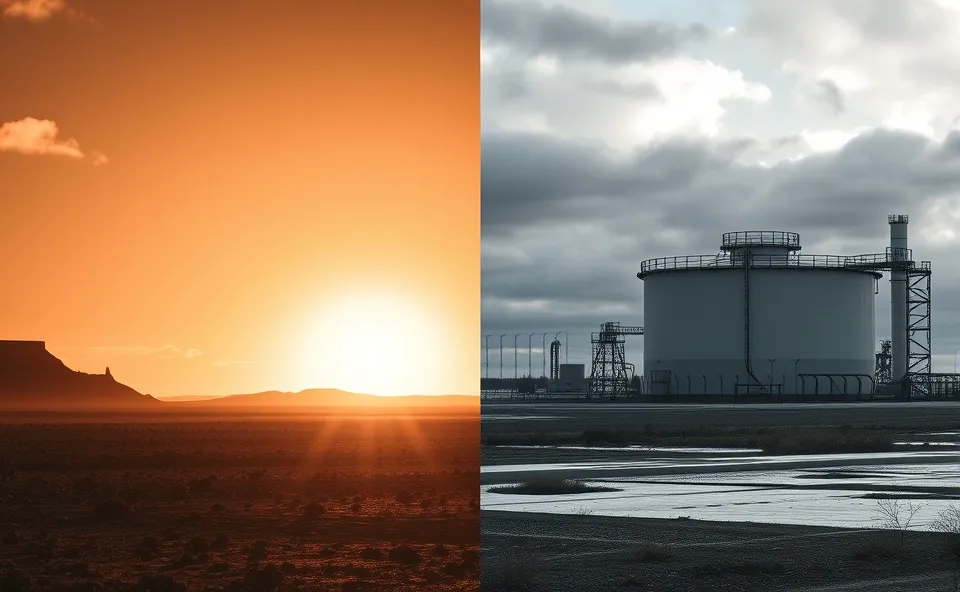
The Global Tug of War for Energy
If you have been keeping an eye on the headlines lately, you might have noticed a growing sense of unease regarding the global energy market. Prices for natural gas are starting to climb, and there is a quiet but intense competition heating up between Europe and Asia. It feels like a high-stakes game of musical chairs where the prize is a stable supply of energy, and the stakes could not be higher for the coming months.
Essentially, we are seeing a perfect storm. Energy markets are sensitive to both weather patterns and geopolitical tension. When these two forces collide, the global flow of liquefied natural gas becomes a major point of friction. Countries are now scrambling to secure their shipments, and this race is driving up costs faster than many analysts expected. It is a stark reminder of how interconnected our modern world remains, even when we think of energy as a local utility.
Why Everyone is Watching the Gas Market Right Now
You might wonder why natural gas prices are suddenly a hot topic again after a relatively calm period. The answer lies in a mix of immediate weather events and a deepening sense of anxiety about the future. Record heatwaves across various parts of the globe have forced power grids to work overtime. People are using air conditioning at unprecedented levels, which drains natural gas reserves that are usually kept for the winter months.
Because these reserves are being tapped into early, the panic is starting to set in. Businesses and governments are looking at the calendar and realizing that the cushion they usually have before the cold weather hits is thinning out. This sudden rush to restock before winter creates a ripple effect. When everyone decides to buy at the same time, the price naturally moves in only one direction, which is up.
The Tensions That Keep Energy Analysts Awake at Night
To understand why this feels so precarious, we have to look at the broader context of the last few years. The energy landscape changed fundamentally when geopolitical stability became a luxury rather than a guarantee. The ongoing Iran war has cast a long shadow over the Middle East, which is a critical hub for energy production and transit.
Even if supplies are not cut off directly, the threat of escalation creates a massive amount of uncertainty. In the world of finance and commodities, uncertainty is often just as expensive as an actual shortage. When trade routes are threatened, insurance costs for tankers rise, and shipping companies become more cautious. These layers of risk stack up quickly. The world is still recovering from the supply chain shocks of the recent past, and now we are facing the prospect of having to navigate these turbulent waters all over again just as the seasons begin to change.
What This Means for Our Daily Lives and the Economy
The impact of this cargo competition goes far beyond the numbers on a trading screen. It hits the real economy in ways that we will all feel eventually. Here is how this dynamic plays out for businesses and regular people:
- Higher Operational Costs: Businesses that rely on heavy energy use, like manufacturing or transport, will face higher bills. These companies often pass those costs down to the consumer, which can keep inflation higher for longer.
- Energy Security Anxiety: Nations are prioritizing their own energy security, which means we might see fewer collaborative trade deals. This focus on hoarding resources can create friction between trading partners.
- Technological Shifts: High prices often act as a catalyst for innovation. Companies are already looking for more efficient ways to manage energy consumption, pushing for faster transitions to alternative sources to reduce dependence on expensive gas.
- Budget Strain: For the average household, the prospect of a winter gas crisis is daunting. It puts pressure on family budgets as heating costs are expected to be a larger portion of monthly expenses.
When Europe and Asia compete for the same tankers, the global energy market becomes a seller’s market. This means the countries with the deepest pockets get the gas, while others are left to deal with the consequences of supply gaps and price spikes.
Looking Toward a Chilly Winter
As we look ahead, the outlook depends heavily on two things: the weather and the path of regional conflicts. If the upcoming winter is unusually harsh, we could see a very strained energy market that tests the limits of current infrastructure. Logically, we should expect more volatility in natural gas prices as the winter gas crisis becomes a central theme for policy makers.
We are not necessarily heading toward a total collapse, but we are entering a period where energy is no longer a “set it and forget it” commodity. Governments are likely to implement tighter regulations or subsidize costs for the most vulnerable populations to prevent a social or economic fallout. For investors and business leaders, the strategy is shifting from seeking growth to prioritizing resilience and reliability. We are likely to see a greater focus on diversifying energy sources, moving away from a single point of failure and toward a more localized, robust power grid.
Common Questions About the Current Energy Situation
How do natural gas prices impact the average consumer?
When natural gas prices rise, the cost of generating electricity increases. This leads to higher utility bills for your home and business. Furthermore, since energy is a base cost for producing almost everything, you often see the prices of groceries and manufactured goods rise as well.
Why is there such intense cargo competition between Europe and Asia?
Both regions rely heavily on liquefied natural gas to keep their economies running during peak demand periods. Because there is a limited number of specialized ships available to transport this gas, they essentially end up bidding against each other for the same limited pool of available supply.
Does the Iran war directly stop the flow of energy?
It does not always stop the physical flow of gas immediately, but it creates extreme market nervousness. The geopolitical impact of the war leads to higher shipping insurance premiums and fear that key trade routes could be blocked, which forces buyers to bid up prices to ensure they secure their energy supplies before things potentially get worse.
What does a winter gas crisis actually look like?
A winter gas crisis involves a combination of high prices and low supply. It means that countries may have to prioritize which industries receive energy, potentially leading to planned rolling blackouts or limits on industrial production to ensure that homes and hospitals have enough heating fuel during the coldest weeks of the year.
Is energy security being permanently redefined?
Yes, global energy security is being redefined as a matter of national defense. Many countries are moving away from the idea that the cheapest energy is the best energy. Instead, they are prioritizing consistent and reliable access to supplies, even if it comes at a higher cost, to ensure that their industries and citizens are protected from future geopolitical shocks.











