

Why Palantir’s CEO Is Sounding the Alarm on AI Rules
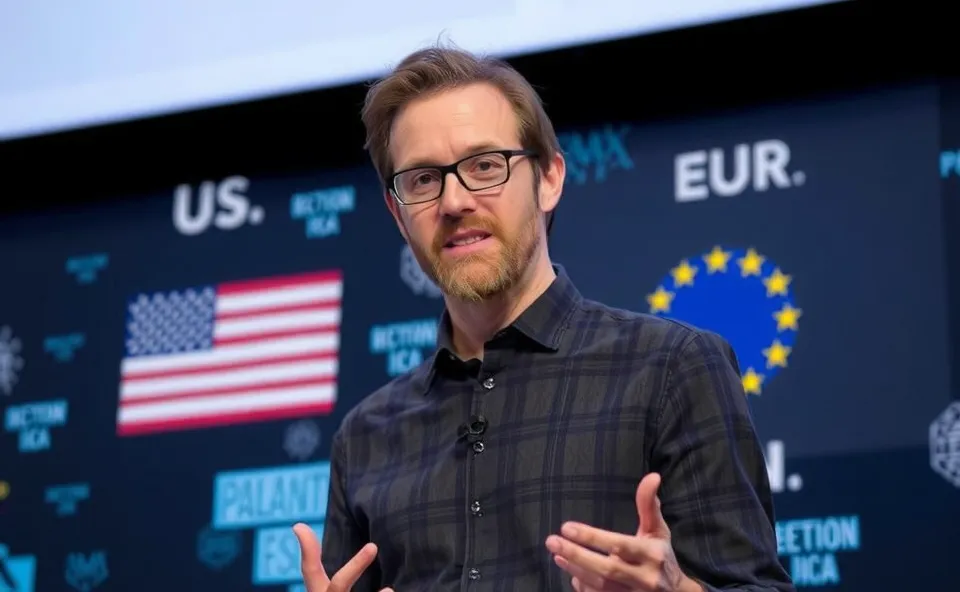
So, you’ve probably heard a lot about artificial intelligence lately, right? It’s everywhere. And with all this buzz comes big questions about how we should manage it. Palantir CEO Alex Karp recently stepped into the spotlight with some strong opinions, especially when it comes to how the United States is thinking about AI regulation. He’s not a fan of the way Europe is approaching it and is urging the US to take a different path, one that he believes will protect innovation and the future of AI itself. It’s a conversation that’s incredibly important for the tech world and beyond.
Why All the Buzz Around Alex Karp’s AI Stance Now?
The reason Alex Karp’s comments are getting so much attention right now is pretty simple: AI is developing at lightning speed. Governments around the world are scrambling to figure out how to regulate it before it gets too far ahead of them. Europe has already put forth its comprehensive EU AI Act, and many see it as a major step in setting global AI policy. Karp’s strong pushback against this model, specifically for the US, highlights a key debate happening in real time. People are looking for clear insights into the potential economic impact and the future of innovation, and the Palantir CEO’s viewpoint adds a significant voice to this urgent discussion about artificial intelligence.
A Look Back: Setting the Stage for This AI Debate
To really get what Alex Karp is talking about, we need a little context. Think about how quickly technology has evolved. In the past, regulations often lagged behind. Now, with AI, the pace is different. Karp’s company, Palantir, works with complex data analysis for governments and large organizations. This means he’s deep in the trenches, seeing firsthand how powerful AI can be and what it takes to build and deploy it responsibly. His views aren’t coming out of nowhere; they’re shaped by years of experience. He’s also spoken about the importance of American innovation, drawing parallels to past tech leadership. This background helps explain why he’s so passionate about preventing what he sees as potentially stifling AI policy, especially when compared to approaches like the EU AI Act.
What This Means for Our AI Future
Alex Karp’s warning against a Europe-style approach to AI regulation in the US isn’t just about tech companies; it has real implications for all of us. If the US adopts very strict rules, similar to what’s being discussed in the European Union, it could slow down how quickly new AI tools are developed and brought to market. Karp argues that this could put American innovation at a disadvantage. Imagine a world where groundbreaking AI applications for everything from healthcare to climate change research take longer to arrive because of overly cautious regulations. He’s also a big advocate for protecting open AI models. These are models that are often freely shared and built upon by many developers. He believes restricting them could limit the collective progress we can make with artificial intelligence. The impact could be felt in our economy, in the speed of scientific discovery, and even in how we use technology in our daily lives. A more relaxed regulatory environment might foster faster economic impact and quicker technological advancements, but it also raises questions about safety and ethical considerations, which is a balancing act that many policymakers are trying to figure out.
Where Do We Go From Here? The Road Ahead for AI Policy
So, what happens next? Alex Karp has thrown down a gauntlet, urging the US to resist broad, prescriptive AI regulation. We’re likely to see continued debate and a push for different approaches to AI policy in the US. Instead of a top down, rule heavy approach, Karp might be advocating for more flexible frameworks that encourage innovation while still addressing risks. This could involve focusing on specific applications of AI that pose higher risks, rather than trying to regulate the technology itself universally. The conversation will likely involve more stakeholders, including researchers, businesses, and the public, as the US government grapples with how to foster a thriving AI ecosystem that is also safe and beneficial. The tension between fostering rapid innovation and ensuring responsible development will continue to be a central theme as we move forward. It’s a critical juncture for artificial intelligence, and the decisions made now will shape its trajectory for years to come.
Digging Deeper: Your Questions Answered
What is Palantir CEO Alex Karp’s main concern about AI regulation?
Palantir CEO Alex Karp is primarily concerned that overly strict, Europe-style AI regulation could stifle innovation in the United States. He believes that such broad regulations might hinder the development and deployment of advanced artificial intelligence technologies, potentially putting the US at a disadvantage globally.
Why does Alex Karp want to protect open AI models?
Alex Karp advocates for protecting open AI models because he sees them as crucial for accelerating progress in artificial intelligence. He believes that when AI models are open and accessible, a wider community of developers can collaborate, improve, and build upon them, leading to faster advancements and broader applications of AI.
How does the EU AI Act differ from what Alex Karp suggests for the US?
The EU AI Act is known for its comprehensive and risk-based approach, categorizing AI systems and imposing different requirements based on their potential harm. Alex Karp’s stance suggests he finds this level of prescriptive regulation potentially too restrictive for the US, and he is likely pushing for a more innovation-friendly AI policy that doesn’t impede the rapid growth of the technology.
What is the potential economic impact of different AI regulation approaches?
Different approaches to AI regulation can have significant economic impacts. A more permissive approach, as potentially favored by Alex Karp, could lead to faster economic growth through quicker adoption of new AI technologies and increased business productivity. Conversely, a highly regulated environment might prioritize safety and ethical concerns but could potentially slow down economic expansion by increasing compliance costs and time to market for AI products.
How does the idea of “open AI models” fit into the broader discussion of AI policy?
Open AI models are a critical element in the AI policy discussion because they represent a different philosophy of development and dissemination compared to proprietary systems. Discussions around AI policy often involve balancing the benefits of open innovation, which fosters widespread adoption and rapid improvement, against concerns about misuse and the need for robust safeguards, especially concerning the ethical implications of artificial intelligence.











