

A New Chapter in Modern Conflict
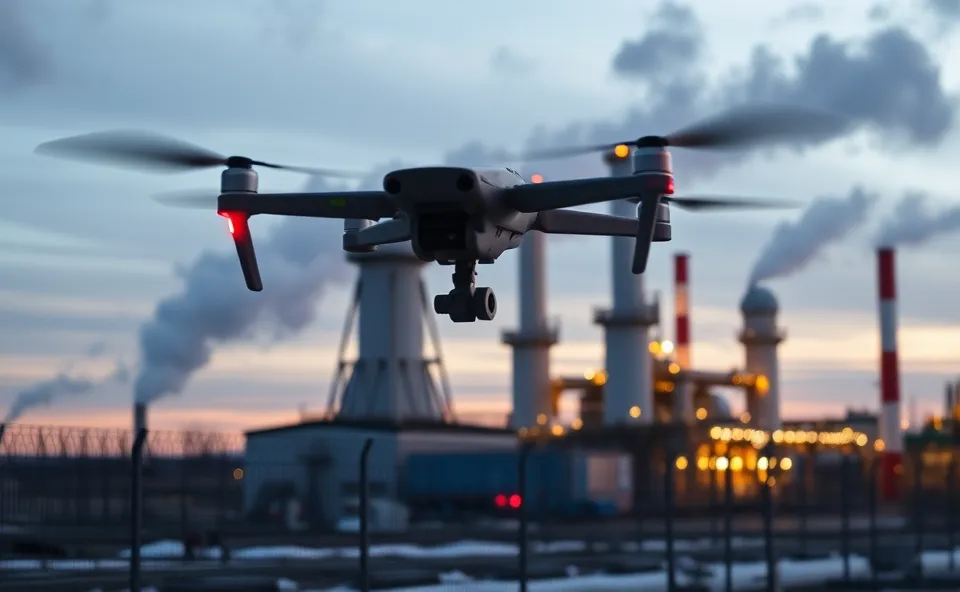
The nature of war is changing right before our eyes. If you have been following the news lately, you have likely noticed a shift in how Kyiv manages its military operations. Instead of focusing solely on the front lines, Ukraine drone strikes are now reaching deep into Russian territory. The targets are specific, calculated, and highly effective. Rather than hitting random buildings, these long-range drone tactics are surgically aimed at the heart of the Russian economy: its oil and gas infrastructure.
This is not just about explosions. It is a precise effort to disrupt the machines that power the Russian war effort. By targeting oil refineries and storage depots, Kyiv is effectively cutting off the fuel supply that keeps tanks rolling and jets flying. It is a smart, high-tech approach that changes the math of the conflict without requiring a massive mobilization of troops.
Why Everyone Is Watching This Strategy
People are paying close attention to these developments because they represent a significant shift in energy warfare. For a long time, experts thought that major powers could protect their critical infrastructure with advanced defense systems. The reality has turned out to be much more complicated. Small, inexpensive, and long-range drones are proving that they can slip past traditional radar and defensive umbrellas.
Search interest is spiking because this strategy touches on something everyone understands: money and energy. When a major oil producer faces disruption, the entire global market feels a ripple. Investors, analysts, and everyday observers want to understand if this is a temporary annoyance for the Kremlin or a systemic problem that could cripple their ability to fund military operations over the long term.
Understanding the Shift in Tactics
To understand why this is happening now, we have to look at the background of the conflict. In the early stages, the focus was mostly on ground combat and territory. However, Ukraine military strategy has evolved rapidly. Kyiv realized that it could not match Moscow in raw numbers or heavy artillery. They needed an asymmetric advantage. They turned to domestic innovation to bridge that gap.
Engineers in Ukraine began developing long-range drones capable of flying hundreds of miles to reach Russian energy plants. These are not the massive, expensive drones you see in Hollywood movies. They are often smaller, agile, and harder to detect. By flying low and navigating around traditional defenses, these drones have turned Russia’s vast geography from an asset into a vulnerability. The sheer number of oil refineries and storage hubs makes it impossible for the Kremlin to protect every single piece of critical infrastructure at once.
The Real World Impact of Energy Disruptions
The impact of this energy supply disruption is profound. When a refinery takes a direct hit, it does not just lose a few barrels of oil. It loses the ability to process crude into usable gasoline, diesel, and jet fuel. Repairing these facilities is difficult because many rely on Western technology and specialized components that are currently under sanctions.
Here is what this means for the broader landscape:
- Operational Downtime: Modern refineries are complex machines. Even a small hit to a distillation unit can take a facility offline for weeks or months.
- Supply Chain Strain: As Russian energy exports face pressure, logistics become more expensive and complicated, forcing the government to shift resources to protect domestic supply.
- Economic Pressure: Russia relies heavily on oil revenue to sustain its economy. Frequent strikes force the leadership to choose between fueling their military or maintaining export revenues.
- Defensive Overstretch: The Kremlin is forced to move expensive air defense systems away from the front lines to protect oil hubs, which leaves their ground troops more vulnerable.
For businesses and global markets, this represents a new layer of geopolitical risk. We are seeing a move away from traditional static warfare toward a model where the enemy is everywhere and nowhere at the same time.
What Lies Ahead for Energy Warfare
Looking at the future, it is logical to expect that these long-range drone tactics will only become more common. As technology improves, we will likely see drones with longer range, better navigation, and even more sophisticated target-tracking capabilities. The goal for Kyiv is not necessarily to destroy every refinery, but to keep the cost of maintenance and protection so high that the energy sector becomes a massive drain on the national budget.
We should also anticipate a game of cat and mouse. Moscow will continue to try and improve its electronic warfare and signal jamming to knock these drones out of the sky. In response, Ukrainian developers will likely focus on autonomous flight and AI-assisted targeting, which makes the drones less reliant on satellite links that can be jammed. It is a technological arms race that is happening inside the control rooms of refineries rather than on the battlefield.
Frequently Asked Questions
How does the Ukraine drone campaign impact global oil prices?
While the market is sensitive, the impact depends on how much Russian oil is removed from the global supply chain. As long as refineries remain offline, the potential for lower exports creates uncertainty, which often keeps prices elevated.
Why are Russian energy plants considered valid targets in this conflict?
From the perspective of Kyiv, these plants are directly fueling the military machinery used against them. Disrupting these energy assets is viewed as a legitimate way to weaken the adversary’s ability to sustain long-term military operations.
Can Russia effectively defend its critical infrastructure attacks?
It is incredibly difficult. Russia has a massive territory with thousands of miles of pipelines and hundreds of facilities. Spreading air defenses thin to cover every plant is costly and leaves other areas exposed.
What makes these long-range drone tactics so successful?
The primary advantage is cost and reach. These drones are cheap to produce in high numbers, allowing for constant, persistent pressure. Because they fly at low altitudes and use sophisticated routing, they can bypass many traditional radar systems designed to spot large aircraft.
What is the long-term goal of targeting the Russian energy industry?
The objective is to maximize downtime at critical facilities. By doing so, Ukraine aims to force the Kremlin to divert massive amounts of money and military resources toward protection, ultimately limiting the resources available for the war effort itself.











