

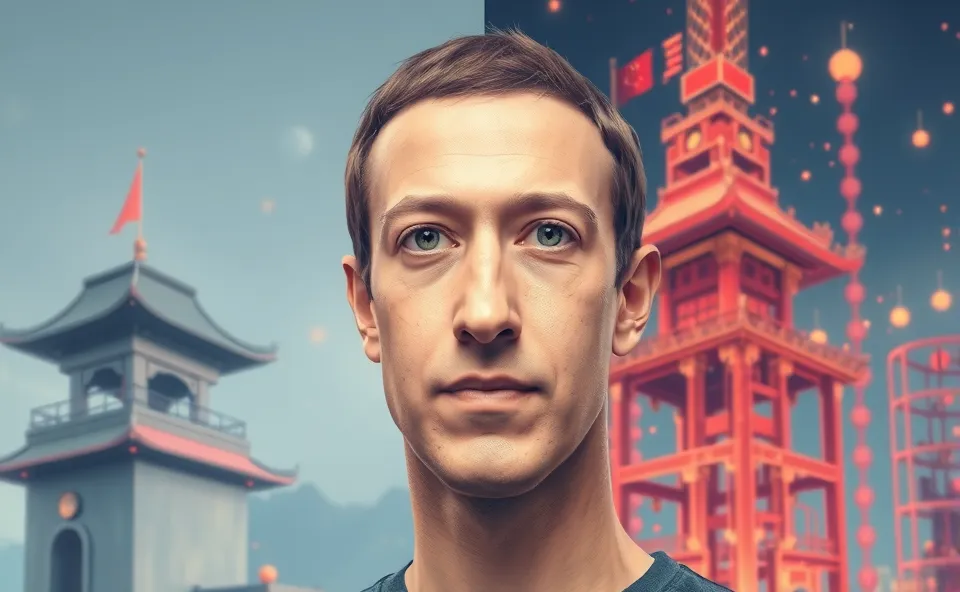
Zuckerberg’s Take on US Rules for Chinese AI
So, Mark Zuckerberg, the big boss at Meta, has been talking about something pretty interesting: how the US is thinking about regulating artificial intelligence from China. He’s not just saying “we need rules.” He’s raising a flag about something called ‘regulatory capture,’ which sounds fancy, but basically means when rules designed to protect everyone end up benefiting a few big players. He’s worried this could mess with how fast AI innovation happens all over the world.
Think of it this way. The US is grappling with how to keep up in the global AI competition, especially with China making big strides. Zuckerberg’s comments come at a time when there’s a lot of talk about potential bans or strict controls on Chinese AI technologies. He’s suggesting that if the US gets this wrong, it might not just hurt China, but it could also slow down the progress of artificial intelligence innovation everywhere, including here at home. It’s a nuanced take, not just about competition, but about the very nature of how we develop and share powerful new technologies like AI.
Why the Buzz Around Chinese AI Rules Now?
The reason this is popping up in conversations everywhere right now is pretty straightforward. AI is no longer a futuristic concept; it’s here and rapidly shaping our lives. From the tools we use daily to how businesses operate, artificial intelligence is becoming central. With China’s rapid advancements in AI, governments worldwide, including the US, are feeling the pressure to act. There’s a race happening, not just for technological supremacy, but for setting the standards and guardrails for this powerful technology.
Zuckerberg’s specific focus on ‘regulatory capture’ adds another layer of urgency. It’s a call to be extra careful. He’s suggesting that in the rush to address concerns about Chinese AI, the US needs to avoid creating a system where regulations unintentionally favor certain companies or stifle competition. This is particularly relevant as we see more open-source AI initiatives emerging, aiming to democratize AI development. The timing of these discussions, with major global tech players and policymakers weighing in, makes it a hot topic for anyone interested in the future of technology and the economy.
A Quick Look Back at AI’s Journey
To really get what Zuckerberg is talking about, it helps to remember that AI hasn’t always been this advanced or this widespread. For decades, it was mostly in research labs. But recently, thanks to massive amounts of data and more powerful computing, AI has exploded. We’ve seen leaps in areas like natural language processing, image recognition, and complex problem-solving. This progress has fueled a global AI competition, with countries and companies pouring billions into research and development.
The US has historically been a leader in technological innovation, and Meta, as a major tech player, has a lot at stake. But China has also emerged as a formidable force, investing heavily and rapidly translating research into real-world applications. This has led to a delicate balancing act for US policymakers. On one hand, there are legitimate concerns about national security and fair competition. On the other hand, there’s the potential for US tech policy to inadvertently isolate itself or hinder the very AI innovation it seeks to promote. Zuckerberg’s background, having built one of the world’s largest social media platforms and now deeply involved in AI research, gives him a unique perspective on these complex dynamics.
What This Means for All of Us
So, what’s the big deal for everyday users, businesses, and the tech landscape in general? If the US implements strict regulations on Chinese AI, especially if those regulations are flawed, it could have ripple effects. For users, it might mean less access to innovative AI-powered products or services, or perhaps a more fragmented digital experience if certain technologies are blocked. For businesses, especially those that rely on AI for efficiency or new product development, uncertainty around regulations can stifle investment and growth. It could create an uneven playing field, where some companies can thrive under specific rules while others struggle.
Furthermore, Zuckerberg’s warning about ‘regulatory capture’ suggests a risk that well-intentioned rules could end up benefiting a few dominant players, making it harder for smaller companies or startups to compete. This could slow down the overall pace of AI innovation. When we talk about global AI competition, it’s not just about who has the best tech, but also about who gets to shape its development and deployment. A closed-off approach, driven by fear or protectionism, might inadvertently lead to missed opportunities for collaboration and shared progress in artificial intelligence. The potential impact on AI innovation is significant; open exchange and healthy competition often drive the fastest breakthroughs.
Peering into the AI Horizon
Looking ahead, the conversation Mark Zuckerberg has sparked is likely to shape US tech policy and global AI strategy for years to come. We might see a push for more nuanced approaches to AI regulation, focusing on specific applications and risks rather than broad bans. The idea of ‘regulatory capture’ could become a key consideration, pushing policymakers to ensure that new rules are fair and foster competition, not hinder it. This might lead to more open dialogues between tech companies, government bodies, and international partners to find common ground on AI governance.
We could also see a greater emphasis on the benefits of open-source AI initiatives. These projects often aim to make powerful AI tools accessible to everyone, fostering a more distributed and collaborative innovation ecosystem. If the US government actively supports open-source AI development, it could help maintain its edge in global AI competition while also promoting wider access to AI benefits. Ultimately, the path forward will likely involve a continuous effort to balance national interests with the global imperative to advance AI responsibly and inclusively. It’s a complex puzzle, and the pieces are still being put into place.
Frequently Asked Questions about Chinese AI and Zuckerberg’s Views
What is Mark Zuckerberg’s main concern regarding US regulations on Chinese AI?
Mark Zuckerberg’s primary concern is the potential for ‘regulatory capture’ in US regulations aimed at Chinese AI. This means he worries that the rules might end up benefiting a few big companies rather than promoting fair competition and broader AI innovation for everyone.
How might regulatory capture affect AI innovation?
If regulatory capture occurs, it could stifle AI innovation. It might make it harder for smaller companies and startups to enter the market or develop new technologies, as the regulations could be designed in a way that favors established players. This could slow down the pace of advancement in artificial intelligence.
What is the role of Meta in the discussion about Chinese AI?
Meta, led by Mark Zuckerberg, is a major player in the artificial intelligence space. As a company that invests heavily in AI research and development, Meta has a vested interest in how global regulations impact its ability to innovate and compete. Zuckerberg’s comments reflect Meta’s perspective on fostering a healthy environment for AI development.
Does Zuckerberg believe in regulating AI or specifically Chinese AI?
Zuckerberg’s statements suggest a belief in the need for thoughtful regulation of AI, but he is particularly vocal about the potential pitfalls of how such regulations are implemented. He emphasizes the importance of avoiding approaches that could harm global AI innovation or lead to unfair advantages for some companies over others, whether related to Chinese AI or otherwise.
What is the current US tech policy landscape regarding AI and China?
The US tech policy landscape concerning AI and China is dynamic and evolving. There are ongoing discussions and considerations about national security, intellectual property, and fair competition. Zuckerberg’s input highlights a debate within this landscape about whether strict controls on foreign AI technologies, like those from China, are the most effective way to bolster domestic AI innovation and maintain US leadership in global AI competition.











