

When Your Phone Becomes the Target: An Activist’s Fight Over Digital Privacy
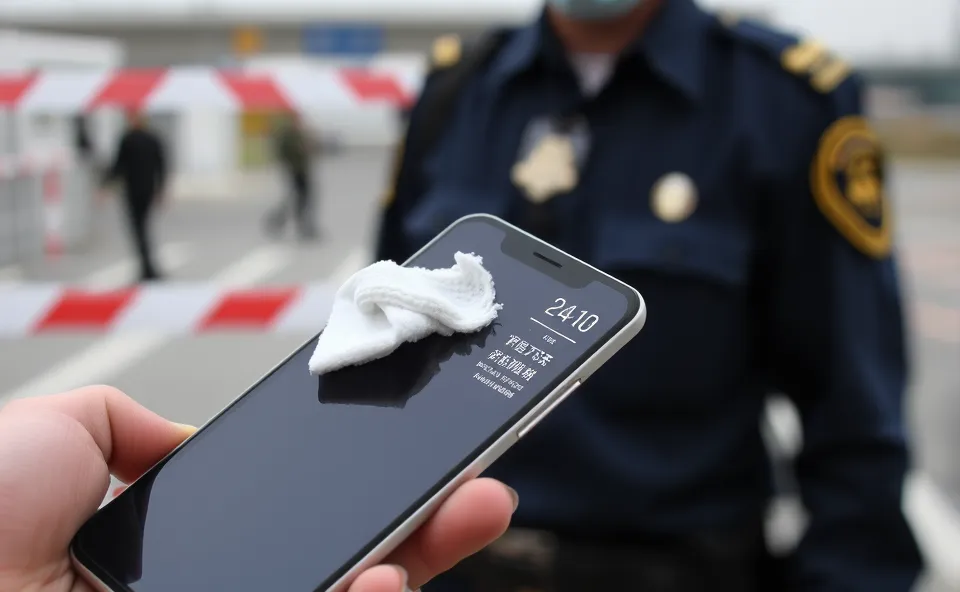
Imagine this: you’re crossing a border, maybe coming home or heading on a trip. Suddenly, you’re stopped, and an agent asks to see your phone. Not just a quick peek, but a deep dive into everything you’ve ever put on it. Now, what if, in a moment of panic or principle, you decide to wipe it clean? That’s precisely the situation an activist found himself in, and it’s sparking a major legal battle that touches on our digital rights and the reach of government authority.
This isn’t just about one person’s story; it’s a spotlight on the increasing tension between our personal digital lives and the powers Customs and Border Protection CBP have at the border. The question at the heart of this is: Can you be punished for protecting your own data when a CBP phone search is conducted?
Why Everyone’s Talking About This Case Right Now
The reason this case is suddenly on everyone’s radar is the severity of the charges. Our activist friend is facing felony charges. That’s a big deal. When someone faces such serious legal trouble for an action related to their phone and a border search, it naturally raises alarms for anyone who values their digital privacy. People are searching for this because it highlights a growing concern: the extent to which our personal devices, packed with sensitive information, are vulnerable during border crossings and what rights we actually have. This case is a stark reminder that the lines between government surveillance and individual privacy are being tested, and the outcome could set an important legal precedent.
The Story Behind the Phone Wipe
To really get why this is such a big deal, we need a little background. For years now, CBP has been increasing its ability to search electronic devices at the border. Think of your phone as a portable hard drive containing your emails, photos, messages, social media, and much more. CBP agents argue they have the authority to examine these devices to ensure national security and prevent illegal activities. This authority is known as border search powers.
However, activists and privacy advocates have long raised concerns about these broad powers. They argue that a thorough electronic device search can feel like a violation of personal space and an invasion of privacy, especially given the sheer volume of personal data we carry. Many believe it could even infringe on rights like the Fifth Amendment which protects against self incrimination.
In this specific instance, the activist was reportedly involved in protests. When confronted with the CBP phone search, he chose to wipe his phone. The prosecution views this act of wiping phone data as obstruction of justice. The defense, on the other hand, argues that he was protecting his own privacy and that wiping the phone was not an illegal act. This is where the core of the legal battle lies: was his action a crime, or an exercise of a right?
What This Means for Your Digital Life
The implications of this case stretch far beyond this one individual. For everyday users, it forces us to confront a difficult question: what do you do when faced with a CBP phone search? Do you comply and risk revealing deeply personal information? Or do you take measures to protect your data, potentially facing legal consequences?
This legal battle impacts the broader conversation around government surveillance and activist privacy. If wiping a phone during a border search is deemed a felony, it could have a chilling effect on how people interact with their devices at the border. It might discourage people from exercising their right to privacy.
For technology companies and developers, this raises questions about the design of devices and the feasibility of user controlled data protection. How can technology help users maintain control over their data in increasingly surveilled environments?
Ultimately, this case is about balancing national security with fundamental digital rights. The outcome will influence how electronic device search policies are applied and what legal precedent is set for future interactions between individuals and border authorities.
Where Does This Legal Road Lead?
Looking ahead, this case could significantly shape the future of digital rights at the border. Several outcomes are possible, and each carries different weight.
One possibility is that the court upholds the charges, establishing a precedent that wiping a phone during a border search is indeed a prosecutable offense. This would likely embolden CBP’s authority for electronic device search and might lead to more stringent checks and potential penalties.
Another outcome could be a ruling in favor of the activist, arguing that individuals have a right to protect their data and that wiping a phone, in itself, is not a crime. This would be a significant win for digital rights and activist privacy, potentially placing more limits on border search powers.
It’s also possible that a middle ground is found, where the legality of wiping depends on the specific circumstances and intent. The court might consider whether the data was being destroyed to hide criminal activity or simply to protect personal information.
Regardless of the specific verdict, this ongoing case will undoubtedly be a landmark in the ongoing discussion about how our digital lives intersect with law enforcement and government authority. It’s a conversation that’s only going to become more important as our reliance on technology grows.
Frequently Asked Questions About CBP Phone Searches and Your Data
What are CBP phone search powers?
CBP phone search powers refer to the authority Customs and Border Protection agents have to inspect electronic devices like smartphones, laptops, and tablets when individuals cross U.S. borders. This is part of their mandate to ensure national security and enforce immigration and customs laws.
Can I refuse a CBP phone search?
While you generally cannot refuse a border search of your person or belongings, the situation with electronic devices can be more complex. Law enforcement agencies have stated that refusing a search might lead to further scrutiny or delays. The legal landscape around refusing an electronic device search is still evolving.
Is wiping your phone during a CBP search legal?
The legality of wiping your phone during a CBP phone search is precisely what this activist’s case is challenging. The government argues it can be considered obstruction of justice. However, privacy advocates contend it may be a way to protect personal data from unwarranted access. The outcome of this case will help define this aspect of data wiping legality.
What happens if my phone is searched at the border?
During an electronic device search, agents may ask for passwords, examine the device’s contents, or even take copies of the data. The scope of the search can vary. This case highlights the risk of facing felony charges if you attempt to alter or wipe your phone’s data beforehand or during the search.
How does this case affect my digital rights and activist privacy?
This case is significant because it directly addresses the conflict between government surveillance and individual digital rights. If the activist is found guilty, it could strengthen border search powers and potentially deter individuals, including activists, from protecting their personal data. Conversely, a win for the activist could set a crucial legal precedent for protecting privacy in the digital age.











