

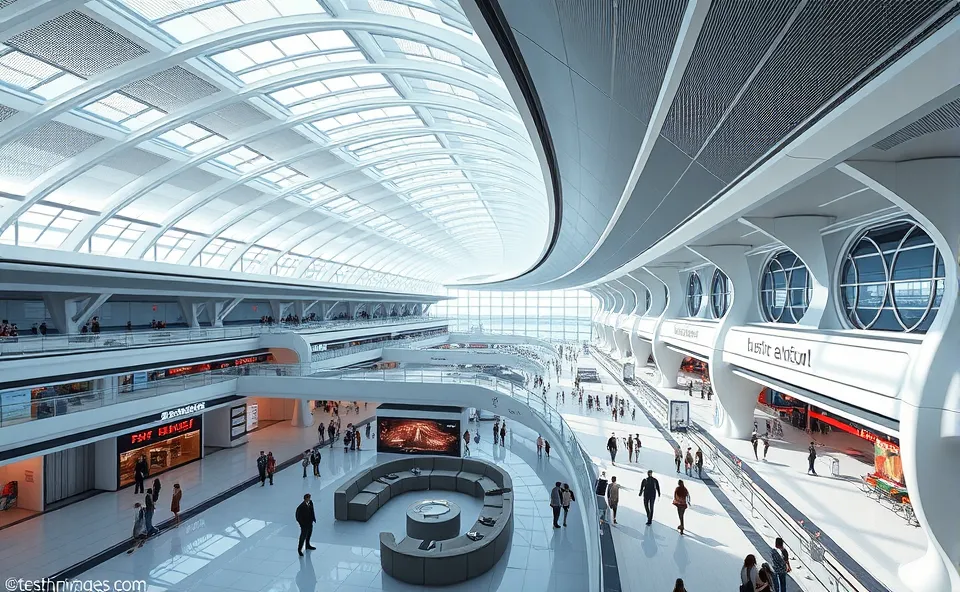
A massive makeover for the gateway to the capital
If you have traveled through Washington Dulles lately, you know the drill. You navigate the long hallways, hop on the mobile lounges, and weave through the crowds in a space that feels like a relic of a different era. That is all about to change in a big way. A massive 22.5 billion dollar project is officially on the table to transform this major hub into a modern powerhouse. This is not just a fresh coat of paint or a new carpet in the terminal. We are talking about a total overhaul designed to handle the massive surge in air travel expected over the coming decades.
The core of this Dulles modernization plan involves building brand new concourses and completely rethinking how passengers move from the curb to their gate. The goal is to make the airport feel less like a maze and more like a seamless extension of a high-tech city. It is a bold, expensive, and necessary step to keep the region competitive on the global stage.
Why everyone is talking about this project right now
The conversation around this massive aviation infrastructure investment has exploded recently because travelers are finally feeling the crunch of post-pandemic flight numbers. As airports across the country struggle to keep up with record-breaking passenger counts, Dulles has become a focal point for what happens when aging facilities hit their capacity limits. People are tired of crowded gates, limited dining options, and the feeling that the facility simply cannot keep up with the pace of modern aviation.
Beyond the immediate frustration, there is a broader business interest at play here. As the Washington D.C. area continues to grow as a tech and government hub, the airport acts as a primary business card for the region. Stakeholders, business leaders, and daily commuters are watching this plan closely because they recognize that a sluggish airport slows down the entire local economy. The sheer scale of the 22.5 billion dollar price tag also makes it a major topic in the aviation news cycle, highlighting how serious the commitment is to future-proofing our travel hubs.
From the jet age to the digital age
To understand why this Dulles airport overhaul is such a big deal, you have to look at the history of the airport itself. Opened in 1962, Dulles was a masterpiece of mid-century design. Its iconic main terminal, designed by Eero Saarinen, is a piece of art. However, a terminal built for a different era of flight faces massive hurdles when trying to integrate modern security screening, automated baggage systems, and the sheer volume of international travelers we see today.
For years, the airport relied on its unique mobile lounges, those strange bus-like vehicles that ferry passengers to their gates. While they were revolutionary in the sixties, they have become a bottleneck for modern travelers who just want to walk directly to their planes. By shifting toward new concourse construction that prioritizes direct access and efficiency, officials are finally signaling that they are ready to move away from the quirky solutions of the past and embrace a standard, world-class experience. This project follows years of smaller updates, but this is the first time the vision has been truly holistic.
What this means for your next flight
The impact of this project will ripple through the travel experience for years to come. For the average passenger, the most immediate change will be convenience. New concourses mean less time spent waiting for shuttles and more time enjoying modern amenities. Businesses located near the airport will also benefit from the improved transit upgrades, as easier access to the airport often translates to more reliable logistics and faster movement of goods and people.
The focus on high-speed infrastructure is key here. By integrating better transit links directly into the terminal design, the airport aims to reduce the gridlock that often plagues the access roads during peak hours. From a technology standpoint, this renovation project is an opportunity to install the latest in biometric screening, energy-efficient building management, and smarter baggage handling software. It turns an aging facility into a data-driven hub that can anticipate passenger flows rather than just reacting to them.
- Faster connections: Moving away from shuttle-based boarding to direct walkway access.
- Improved accessibility: Better integration with public transit and high-speed rail lines.
- Tech integration: Faster security checkpoints utilizing advanced facial recognition and automation.
- Business growth: Enhanced facilities will likely attract more international airlines and cargo partners.
- Sustainable operations: Replacing older systems with energy-efficient infrastructure to lower the carbon footprint.
The road ahead for Washington Dulles
Looking forward, the execution of this Dulles modernization plan will be a long, complex process. Massive construction projects at active airports are notoriously difficult because you cannot simply close the facility for a few years to get the work done. You have to build, renovate, and expand while millions of passengers are still walking through the doors every single month. The success of this project will hinge on the airport’s ability to maintain operations without causing absolute chaos for travelers.
If handled correctly, we should see a gradual phase-in of new gates and amenities over the next several years. The long-term impact will be a more resilient, scalable airport that isn’t constantly hitting its ceiling. We will likely see more demand for space as airlines look to expand their routes to accommodate the increased capacity. Eventually, Dulles could solidify its role as the premier international gateway for the eastern United States, making it a much more attractive hub for both tourists and business travelers alike.
Frequently asked questions about the Dulles expansion
What is the total budget for the Dulles airport overhaul?
The total projected investment for the expansion is 22.5 billion dollars, covering everything from new terminals to massive transit upgrades across the site.
How will the Dulles modernization plan improve my travel experience?
You can expect a more streamlined experience, including faster transit from the curb to your gate and a reduction in the need for those classic mobile lounge shuttles in favor of modern, direct-access concourses.
What are the biggest challenges for this airport infrastructure project?
The main challenge is performing massive construction work while keeping the airport fully operational for millions of passengers throughout the multi-year renovation process.
Why is Washington Dulles undergoing such an extensive renovation project now?
The facility needed to modernize to keep up with record passenger growth and to replace outdated boarding systems that were designed in the 1960s, ensuring the hub stays competitive for future decades.
Will the new concourse construction include sustainable building practices?
Yes, the project focuses on aviation infrastructure investment that prioritizes energy efficiency and the latest in green technology to modernize the facility’s overall environmental footprint.











