

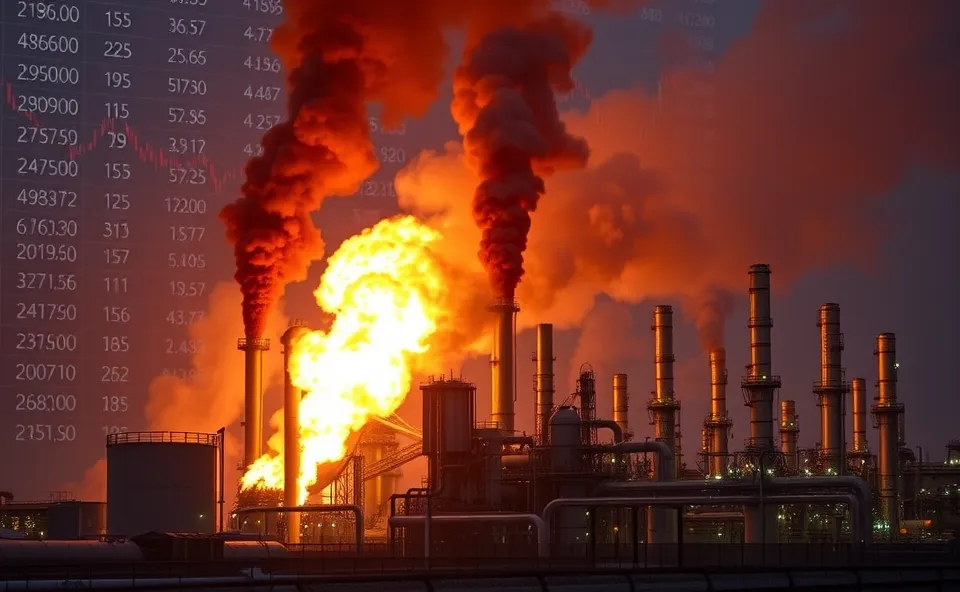
When the Oil Giant Feels a Jolt
Imagine a huge, complex machine that powers a lot of what we do. That’s kind of like Saudi Aramco’s massive refinery. Recently, this essential part of the global energy picture experienced a disruption. A Houthi strike hit an Aramco refinery, causing a stir in the energy world. It might sound like a distant problem, but it’s something that can ripple outwards, affecting everything from how much we pay for gas to the stability of the entire oil market. Let’s break down what this means, why it’s suddenly a hot topic, and what it could signal for the future of fuel.
Why the Buzz Around This Strike?
So, why are so many people suddenly talking about a Houthi strike on an Aramco refinery? It’s simple: Aramco is one of the biggest oil producers in the world. Anything that affects their operations, especially their refining capabilities, has an immediate and significant impact. Refineries are where crude oil gets turned into the fuels we actually use like gasoline, diesel, and jet fuel. When a refinery gets hit, it directly impacts the supply of these crucial products. This event brings the complex dynamics of the Middle East oil scene right to the forefront, making people want to understand the immediate consequences and the bigger picture.
A Look Back: The Delicate Balance of Middle East Oil
To really get what’s happening, we need a little context. Saudi Arabia, home to Aramco, is a powerhouse in the global oil market. Its production and refining capacity are massive, and it plays a huge role in keeping the world’s energy supply steady. The Middle East, in general, is a critical region for oil production and trade. Any instability there, whether it’s political tension or, unfortunately, attacks like this Houthi strike, sends waves of concern through global markets. This isn’t the first time conflicts in the region have put pressure on oil infrastructure, and sadly, it’s unlikely to be the last. Understanding this background helps us see why an attack on an Aramco refinery isn’t just a local incident but a global concern for energy security.
Feeling the Ripple: What the Strike Means for Us
This Houthi strike on the Aramco refinery has a direct effect, and then some indirect ones. The most immediate concern for many is the impact on diesel prices. Refineries process crude oil into various fuels, and if a key refinery is damaged or has to slow down, the supply of those fuels can shrink. Diesel is particularly important because it powers so much of our transportation, from trucks that deliver goods to ships that carry cargo, and even many generators.
When diesel supply gets tighter, prices tend to go up. This isn’t just about the cost at the pump; it affects businesses across the board. Companies that rely heavily on diesel for their operations will see their costs increase, and they might pass those costs onto consumers. This can lead to higher prices for almost everything, from groceries to manufactured goods.
Beyond diesel prices, the strike also highlights the fragility of our fuel supply chain. It’s a stark reminder that major energy infrastructure can be vulnerable. This can create uncertainty in the broader oil market. Traders and investors react to such events, and this can lead to fluctuations in crude oil prices, even if the direct impact on global crude supply isn’t massive. The threat of further disruptions adds a layer of risk that can influence market sentiment. It also brings energy security into sharper focus. Nations and companies are constantly looking for ways to ensure a reliable flow of energy, and events like this underscore the importance of diversification and robust security measures for critical oil assets.
Think about it like this:
- Refinery Output Dips: Less refined fuel is produced.
- Diesel Supply Tightens: Especially noticeable if the affected refinery is a key supplier of diesel.
- Prices Trend Upward: Basic supply and demand economics kick in.
- Broader Economic Impact: Higher transportation costs for businesses can mean higher prices for consumers.
- Market Jitters: Uncertainty about future supply can affect oil prices and investment decisions.
Looking Ahead: What’s Next for the Oil Market?
So, what does this mean for the future? For starters, expect continued attention on the security of Middle East oil infrastructure. Companies like Aramco will likely review and perhaps enhance their security measures. Governments will also be paying closer attention to the stability of the region and its impact on their own energy supplies.
In terms of the oil market, the immediate aftermath might see some price volatility. If the damage to the Aramco refinery is significant and repairs take time, we could see sustained pressure on diesel prices. However, the market is also quite dynamic. Other refineries might be able to increase their output to compensate, and global crude oil supplies are generally large enough to absorb some disruptions over the long term, provided they don’t become widespread.
The key takeaway is that events like this Houthi strike serve as a reminder of the interconnectedness of global energy. They highlight the need for resilience in our energy systems and the constant effort required to maintain a stable oil market amidst geopolitical complexities. While a single strike might not fundamentally alter the long term trajectory of the oil market, it certainly serves as a wake up call and can influence short to medium term price movements and strategic decisions regarding energy security.
Frequently Asked Questions About the Aramco Refinery Strike
What exactly was the Houthi strike on the Aramco refinery?
This refers to an incident where drones or missiles, attributed to Houthi forces, targeted facilities belonging to Saudi Aramco, a major oil producer. Aramco operates numerous refineries that process crude oil into usable fuels. The strike aimed at disrupting these critical refinery operations.
How does a Houthi strike on an Aramco refinery affect diesel prices?
When a major refinery like those operated by Aramco is hit, its production capacity can be reduced or halted. This decrease in the supply of refined products, including diesel, can lead to higher diesel prices in the market due to the principles of supply and demand.
What is the significance of Aramco refinery operations for the global oil market?
Saudi Aramco is one of the world’s largest oil companies. Its refineries are vital for converting crude oil into fuels that power economies worldwide. Disruptions to Aramco refinery operations can therefore have a significant impact on global oil prices and the overall stability of the oil market.
Could this strike cause a major fuel shock or impact crude oil supplies?
While a single strike on one refinery might not cause a widespread fuel shock on its own, it contributes to market uncertainty and can exacerbate existing supply pressures. The impact on crude oil supplies depends on the extent of the damage and the specific refinery targeted, but the primary effect is usually on refined product availability rather than the raw crude oil itself.
What are the broader implications of such attacks for Middle East oil and energy security?
Attacks on key oil infrastructure in the Middle East raise serious concerns about energy security. They highlight the vulnerability of vital energy assets and can lead to increased geopolitical risk premiums in oil prices. This encourages a greater focus on diversifying energy sources and strengthening security measures for oil production and refining facilities.











