

A New Guard at the Front Door of Your Smart Home
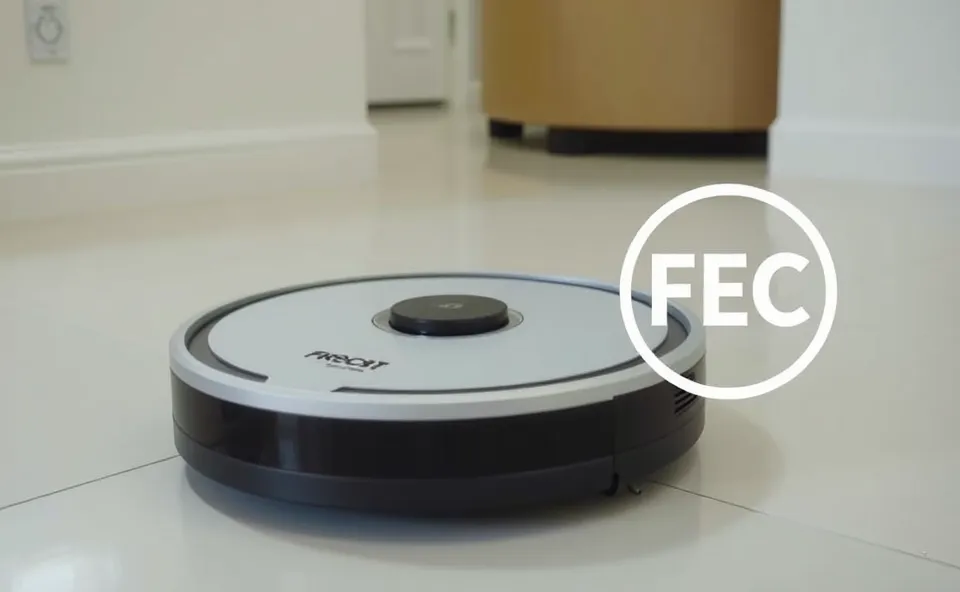
If you have ever invited a robot vacuum into your home, you know the convenience of having clean floors without lifting a finger. These little machines have become a staple of modern life. However, a major shift is happening behind the scenes that might change how these devices reach your living room. The FCC has introduced a new rule that places tighter controls on foreign-made robots and automated home devices. It is a big deal for the future of consumer electronics, and it marks a turning point in how we think about the connected gadgets we bring into our private spaces.
In simple terms, the FCC is tightening its oversight on how specific types of internet-connected equipment are authorized for use in the United States. This does not mean that every vacuum is about to stop working, but it does mean that the process for getting these devices approved and sold is becoming a lot more rigorous. The focus is on ensuring that these devices meet strict standards before they ever hit the shelves of your favorite electronics retailer.
Why Everyone Is Talking About These Rules Right Now
You might have noticed a surge in interest regarding this topic lately. That is because people are more protective of their digital privacy than ever before. We live in an era where almost everything is connected to the internet, from the robotic vacuums cleaning under our sofas to the smart lawn mowers cutting our grass. When we hear about regulatory changes, we naturally worry about whether our favorite tech brands will remain available or if the prices will suddenly climb.
The curiosity is also driven by a broader conversation about national security and data safety. Because these devices often feature cameras, microphones, and mapping technology, they act like little scouts inside our houses. As consumers become more tech-savvy, they are asking harder questions about who manages their data and where that information goes once it leaves the home network. The search for information is really a search for peace of mind.
How We Got Here
To understand the current situation, we have to look back at how quickly the smart home market grew. A decade ago, a robot vacuum was a luxury item that bumped into walls and got stuck on carpets. Today, they are sophisticated devices that build 3D maps of our floor plans using lidar and high-resolution cameras. This rapid evolution caught regulators by surprise.
For a long time, the rules governing consumer electronics were focused primarily on radio interference and basic safety. If a device did not cause static on your television or overheat, it was generally good to go. However, as these machines became computers on wheels with internet access, the old standards became outdated. Policymakers realized that the connection between a foreign-made robot and a cloud server represents a potential doorway for data risks. This new FCC rule is essentially an attempt to play catch-up with technology that moved much faster than the laws governing it.
What This Means for Your Home and Your Wallet
If you are a regular user of automated home tech, you might be wondering how this impacts your day-to-day life. The short answer is that you will probably not notice an immediate change in your current gadgets. However, the ripple effects on the market will be significant over the next few years.
First, we can expect a more thorough vetting process for new devices. This means that smaller, less established manufacturers might struggle to enter the U.S. market if they cannot meet these tougher standards. While this might slightly reduce the sheer variety of super-cheap, no-name brands on major shopping sites, it likely means that the products that do make it through are more secure and reliable. For the consumer, that is a positive trade-off.
Second, major companies are already adjusting their supply chains. Many businesses are moving to ensure their hardware and software architectures are fully compliant with these regulatory changes. This might cause some delays in product launches or, in some cases, a slight increase in price as companies invest more in compliance and data security testing.
- Better Security: Devices will undergo deeper testing to ensure they do not leave data backdoors open for unwanted access.
- Market Consolidation: We may see fewer brands, as only those capable of meeting strict rules will successfully compete.
- Price Adjustments: The cost of compliance is often passed down to the buyer, so keep an eye on hardware price points.
- Consumer Trust: By setting a higher bar, the FCC is attempting to rebuild confidence in smart home ecosystems.
The Path Forward for Automated Home Tech
Looking ahead, we are likely moving toward a smarter and more secure version of the automated home. The goal of this FCC initiative is not to ban innovation but to bring order to a wild-west environment. As we add more devices like pool cleaners, lawn mowers, and security drones to our routines, the need for transparency will only grow.
We should expect to see more companies emphasizing privacy as a selling point. Marketing will shift away from just talking about suction power or battery life and focus more on data encryption and local processing. This is a healthy evolution for the industry. While change can feel disruptive, these rules are setting the foundation for a more sustainable and safer smart home experience in the long run.
Common Questions About the FCC and Your Robot Vacuums
What exactly is the new FCC rule for robotic vacuums?
The FCC has updated its equipment authorization procedures to ensure that foreign-made robots and other connected devices meet higher security and safety standards. This prevents products that pose potential risks to communications infrastructure from being sold or imported into the U.S.
Do I need to throw away my current foreign-made robots?
No. These regulatory changes are designed to address the entry of new products into the market. If you already own an FCC-approved device, it will continue to function as usual. There is no need for panic regarding your current household tech.
How will these regulatory changes affect the price of smart home devices?
While increased security is a benefit, it comes with testing and compliance costs. Consumers might see a moderate price increase on some new models as manufacturers recoup the costs of meeting these stricter government standards.
Are pool cleaners and lawn mowers included in these rules?
Yes. The rules apply broadly to automated devices that utilize wireless technology and internet connectivity. Any foreign-made robot that connects to a network and falls under the oversight of the FCC must now navigate this improved vetting process.
Will it be harder to find cheap smart home gadgets online?
Possibly. Many of the extremely low-cost gadgets sold by third-party retailers often skip rigorous testing processes. As the FCC enforces these rules more strictly, it will become much more difficult for non-compliant devices to reach American consumers, which may lead to a decrease in the number of very cheap, unvetted options available.











