

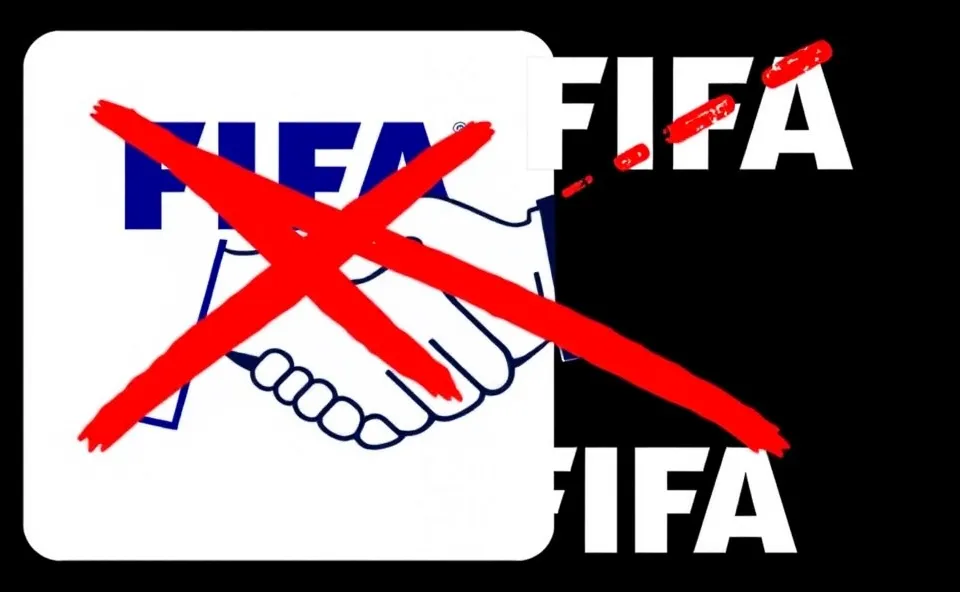
FIFA’s Big Money Dreams Hit a Roadblock
So, remember that massive FIFA investment plan, the one that was supposed to be a whopping $20 billion injection into the world of football? Well, it looks like it’s been put on the back burner, and frankly, shelved for now. This isn’t just a minor tweak; it’s a complete U-turn on a hugely ambitious financial plan that had many in the sports business world buzzing. Think of it like a company announcing a huge new project, only to pull the plug before it even really gets going. The reasons behind this sudden halt are pretty significant and have a lot to do with how the news was received globally.
Why All the Fuss Now?
The reason this is suddenly a hot topic, the reason people are searching for “FIFA investment plan” and “global backlash” like crazy, is precisely because FIFA has officially stated the plan is no longer moving forward. This isn’t speculation anymore; it’s a done deal. For a while, there were whispers and reports about potential stake sales and how this $20 billion would be utilized. But the widespread concern and opposition that followed have clearly forced FIFA’s hand. It’s a story of ambition meeting reality, and the reality involved a whole lot of people saying “hold on a minute.”
A Look Back at the Initial Vision
To understand why this news is so big, we need to rewind a little. FIFA, the global governing body for football, had been exploring ways to significantly boost its financial resources and, by extension, the development of the sport worldwide. This $20 billion investment plan was touted as a way to bring in new funding, potentially through partnerships or even selling off stakes in certain commercial rights. The idea was to create a more robust financial future for football, enabling more development projects, infrastructure improvements, and support for national federations. It was presented as a forward-thinking move, a way to modernize and professionalize the business of football even further.
However, from the get go, the concept wasn’t met with universal applause. There were immediate questions about transparency, how this money would actually be distributed, and who stood to benefit the most. The idea of selling off parts of what many see as a global public good, even if it’s a business, raised a lot of eyebrows. Many interested parties, from fan groups to smaller football associations, voiced concerns that such a large-scale financial undertaking could lead to further commercialization and potentially widen the gap between the richest clubs and the rest.
What This Means for the Beautiful Game
So, what’s the actual impact of this $20 billion FIFA investment plan being abandoned? For starters, it means the immediate injection of that specific level of capital into the sport is off the table. This could mean that certain ambitious development projects that were planned or hoped for might be delayed or scaled back. It also signals a significant shift in FIFA’s strategy. Instead of pursuing this large, potentially controversial financial overhaul, they’ll likely have to find alternative ways to fund their initiatives.
For the wider sports business world, this serves as a pretty stark reminder that even massive organizations can’t just steamroll ahead without considering public opinion. The global backlash clearly demonstrated that stakeholders want a say in how the sport is managed financially. This could encourage more collaborative approaches to future financial planning within FIFA and potentially other major sports organizations. It’s a win for those who believe in a more inclusive and transparent model for football investment. It also means that any future discussions about significant financial changes within FIFA will likely be approached with much greater caution and a stronger emphasis on consultation with a diverse range of interested parties.
On a more practical level, the lack of this specific influx of cash means the status quo for many football organizations remains. Those relying on FIFA’s potential future funding for infrastructure or development programs will need to continue seeking alternative revenue streams or await other FIFA initiatives. It’s a moment that highlights the power of collective voices in shaping the direction of even the most powerful sporting bodies. The dream of a quick $20 billion fix has been replaced by the necessity of careful, considered financial stewardship.
What Comes Next?
With the $20 billion investment plan now a non-starter, the big question is what FIFA will do next. It’s highly unlikely that FIFA will simply stop trying to improve its financial standing and the sport’s development. Instead, we can expect them to pivot towards more traditional or perhaps less controversial methods of generating revenue and investment. This could involve focusing on existing commercial partnerships, exploring smaller, more targeted investment opportunities, or even restructuring their current financial models.
Gianni Infantino, the FIFA president, has spoken about the need for unity within the sport, and this decision might be seen as an attempt to achieve that. He’s mentioned how this plan could have been divisive, and pulling back shows a willingness to listen. The focus now will likely shift towards finding ways to foster greater consensus and support for any future financial strategies. Expect more dialogue and a less top-down approach. The immediate goal will probably be to reassure stakeholders that FIFA is committed to the long-term health of football in a way that benefits everyone, not just a select few. The divisions that arose from the initial plan might push FIFA to work harder on reunification, ensuring that future financial plans are built on a foundation of broad agreement and shared goals.
This situation also opens the door for innovation in how sports organizations fund themselves. Perhaps we’ll see new models emerge that are more decentralized or community-driven. The underlying need for investment in football remains, and the challenge for FIFA now is to meet that need in a way that earns the trust and support of the global football family. It’s a chance for FIFA to rebuild trust and demonstrate a commitment to inclusive football investment, proving that they can be a force for positive financial change without alienating key constituents. The path forward will undoubtedly involve more careful consideration of the diverse needs and perspectives within the sport.
Frequently Asked Questions
- What was the main goal of the FIFA investment plan?
- Why did FIFA decide to abandon its $20 billion investment plan?
- What kind of global backlash did FIFA face regarding its investment plan?
- Who is Gianni Infantino and what has he said about the divisions caused by the FIFA investment plan?
- What are the potential implications of the abandoned FIFA investment plan for football investment globally?











