

When the Sky Meets the Brain: SpaceAI and Southeast Asia’s El Niño Challenge
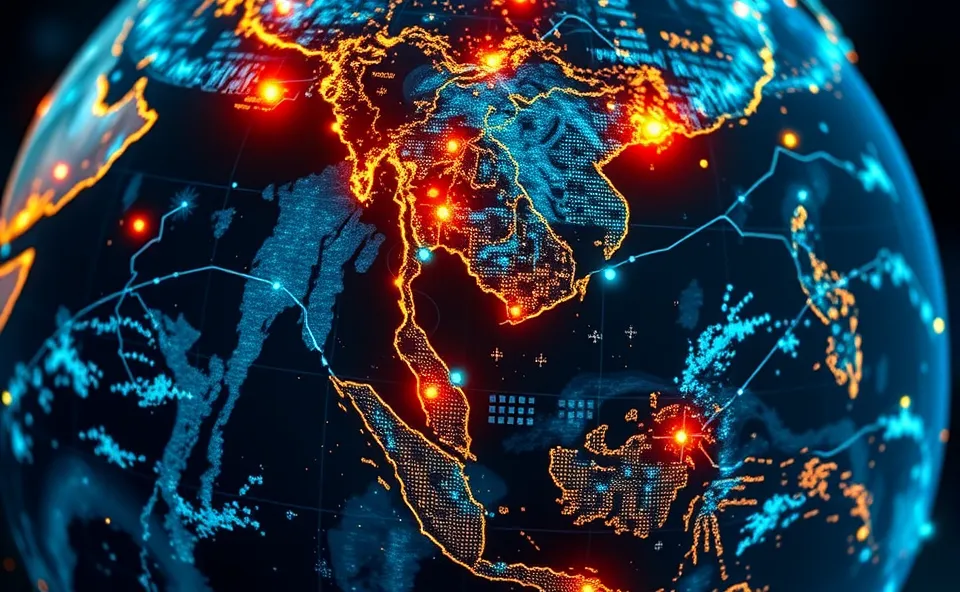
Imagine this: the sun is blazing, crops are struggling, and the water levels in rivers are dropping. For many countries in Southeast Asia, this isn’t just a bad summer; it’s the often harsh reality of El Niño. But what if we had a smarter way to see it coming and get ahead of it? That’s where a powerful combination of SpaceAI comes into play – think of it as giving our satellites superpowers with artificial intelligence. This isn’t just about looking at pretty pictures from space anymore; it’s about turning that raw data into smart, actionable steps to help governments prepare for and deal with the impact of El Niño driven climate disasters.
Why the Buzz Around SpaceAI for El Niño Right Now?
The reason this is such a hot topic today is simple: El Niño is back, and its effects are already being felt across Southeast Asia. We’re seeing increased temperatures, unusual rainfall patterns, and a higher risk of droughts and floods. Governments and communities are rightly concerned about protecting their people, their economies, and their vital resources. This urgency is pushing them to look for more sophisticated tools. Satellite technology has been around for a while, but combining it with artificial intelligence, or SpaceAI, is a game changer. It allows us to process vast amounts of information quickly and identify patterns that we might otherwise miss. This means we can move from simply reacting to disasters to proactively predicting and mitigating them, making SpaceAI a critical tool in the fight for climate resilience.
Looking Back: A History of Predicting the Unpredictable
For decades, scientists have understood that big ocean and atmosphere patterns influence global weather. El Niño, a natural climate phenomenon, involves a warming of the central and eastern tropical Pacific Ocean. This warming sends ripples through the atmosphere, altering weather patterns worldwide. Southeast Asia, with its diverse geography and reliance on agriculture, is particularly vulnerable to these shifts. Early warning systems have relied on weather stations and ocean buoys, which provide valuable, but often localized, information. Satellite technology brought a broader perspective, allowing us to monitor vast areas of the oceans and land from above. However, the sheer volume of data from these satellites was immense, often making it difficult to extract timely and useful insights. This is where the evolution to SpaceAI, integrating artificial intelligence with satellite technology, becomes so crucial.
What SpaceAI Means for Facing El Niño’s Fury
The convergence of artificial intelligence and satellite data, or SpaceAI, is a true game changer for Southeast Asian governments looking to tackle El Niño. It’s about transforming raw data from space into something truly useful and impactful. Think of it like this: satellites give us a bird’s eye view, capturing everything from soil moisture levels and vegetation health to sea surface temperatures and cloud cover. This is the raw data. Now, imagine feeding all that information into a super smart AI brain. This AI can crunch the numbers, spot subtle trends, and make predictions with a level of accuracy and speed that was previously impossible.
This translates into several key benefits:
- Early Warning Systems That Actually Work: Instead of just reacting to news of a drought, SpaceAI can help predict areas most likely to be affected weeks or even months in advance. This allows governments to start planning resource allocation, like water management strategies or emergency food supplies, much sooner.
- Precision Agriculture: Farmers are on the front lines of El Niño’s impact. SpaceAI can help them make better decisions. By analyzing satellite imagery, farmers can get insights into crop health, identify areas suffering from water stress, and even receive recommendations on planting schedules or pest management, leading to better yields and reduced losses.
- Better Disaster Mitigation Planning: For flood-prone areas, SpaceAI can model potential inundation levels based on rainfall forecasts and river conditions derived from satellite data. This helps in creating more effective evacuation plans and identifying safe zones. Similarly, for drought-affected regions, it can pinpoint areas with critical water shortages.
- Informed Policy Making: Governments can use the insights from SpaceAI to develop more targeted and effective policies for climate adaptation and resilience. This includes understanding which regions are most vulnerable and what specific interventions are needed, rather than a one-size-fits-all approach.
- Resource Management: Understanding how El Niño affects water resources, forests, and coastlines is critical. SpaceAI can provide data driven insights to help manage these resources more sustainably during stressful climate periods.
Essentially, SpaceAI moves us from hoping for the best to preparing for the worst with confidence. It’s about equipping decision-makers with the intelligence they need to protect their populations and economies from the harsh realities of climate change, specifically through better weather forecasting and disaster mitigation.
Looking Ahead: A Future Fueled by SpaceAI and Resilience
The trajectory for SpaceAI in Southeast Asia, particularly concerning El Niño and other climate challenges, is incredibly promising. As artificial intelligence continues to evolve and satellite technology becomes more advanced and accessible, the capabilities will only grow. We can expect even more sophisticated predictive analytics that can forecast not just the immediate impacts of El Niño but also its cascading effects on different sectors like energy, transportation, and public health. Furthermore, the integration of SpaceAI with other data sources on the ground will create a more holistic picture, enhancing the accuracy and effectiveness of climate resilience strategies. As countries become more adept at harnessing this technology, we’ll likely see a significant shift in how they approach disaster mitigation and climate change adaptation, moving towards a more proactive and data-driven model. This will be crucial for building a more secure and sustainable future for the region.
Frequently Asked Questions About SpaceAI and Southeast Asia
What exactly is SpaceAI in the context of Southeast Asia?
SpaceAI refers to the powerful combination of artificial intelligence and satellite technology. For Southeast Asia, it means using AI to analyze data collected by satellites to understand and predict climate patterns like El Niño, helping governments prepare for its impacts. It’s about making satellite data smarter and more actionable for climate resilience.
How does satellite technology help in predicting El Niño’s effects?
Satellite technology monitors vast areas from space, gathering crucial information about ocean temperatures, cloud formations, soil moisture, and vegetation health. This raw data, when analyzed with advanced tools, helps scientists track the development and predict the path and intensity of El Niño’s influence on weather patterns in Southeast Asia.
Can artificial intelligence really improve weather forecasting for El Niño?
Yes, absolutely. Artificial intelligence can process huge amounts of satellite and other weather data much faster and identify complex patterns that humans might miss. This leads to more accurate and timely weather forecasting, giving Southeast Asian nations a better chance to prepare for El Niño driven disasters.
What does disaster mitigation look like with SpaceAI?
With SpaceAI, disaster mitigation becomes more proactive. Instead of just responding to floods or droughts after they happen, governments can use predictive analytics from SpaceAI to anticipate where and when these events might occur. This allows for better planning of resources, evacuations, and preventative measures, thereby reducing the overall impact.
How does this technology contribute to climate resilience in Southeast Asia?
SpaceAI contributes to climate resilience by providing governments and communities with the crucial insights needed to adapt to changing climate conditions. By improving weather forecasting, enabling better disaster mitigation, and supporting informed decision making, SpaceAI helps Southeast Asian nations build stronger systems that can withstand and recover from the impacts of events like El Niño and broader climate change.











