

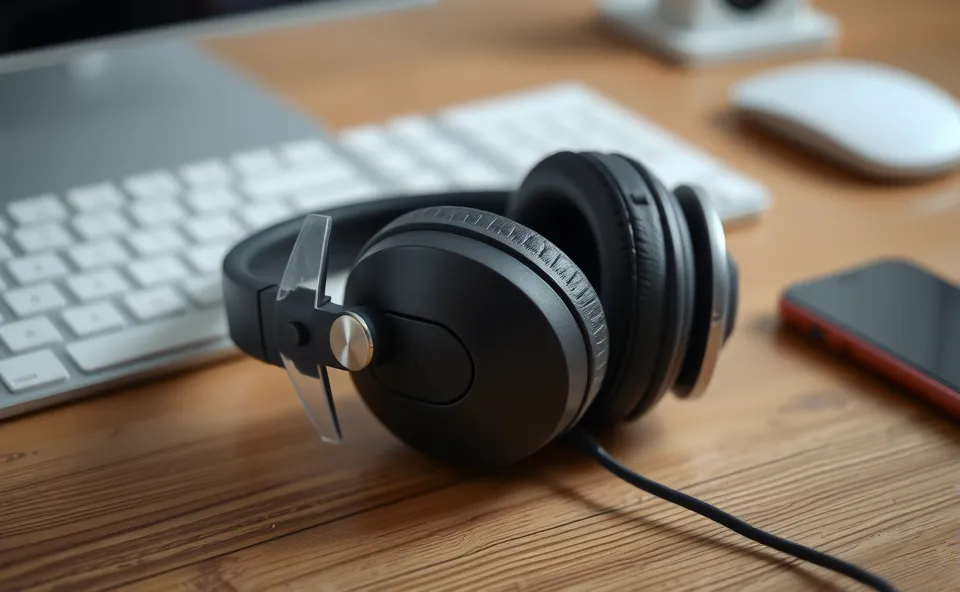
The Debut of the Daisy One
The tech world recently welcomed the Daisy One headphones, a product that has sparked a massive amount of conversation. At first glance, these headphones look like they were pulled straight from a high fashion magazine. The design is sleek, the materials feel premium, and the physical build is genuinely impressive. However, after spending a significant amount of time with them, it is clear that there is a divide between how these headphones feel and how they actually sound. This launch represents a shift in how some companies approach wearable tech, prioritizing the physical experience over the core purpose of the device.
When you hold the Daisy One, you immediately notice the attention to detail. The headband is wrapped in a soft, synthetic leather that feels gentle against the scalp, and the ear cups are cushioned with a proprietary memory foam that manages to stay cool even during long listening sessions. It is rare to find wireless headphones that prioritize ergonomics this heavily. Yet, as soon as you hit play, the excitement fades. While the outside of the device feels like a luxury product, the internal drivers seem to have been left behind. The audio quality is surprisingly thin, lacking the depth and punch you would expect at this price point.
Why Everyone Is Talking About These Headphones
You might be wondering why a pair of headphones with mediocre sound is making so many headlines. The reason lies in the modern landscape of tech culture. Today, accessories are as much about identity as they are about function. People are looking for tech that fits their personal style, and the Daisy One nails that aesthetic perfectly.
Social media influencers and style icons have gravitated toward the Daisy One because it looks good in photos and feels comfortable enough to wear for an entire workday. It has become a status symbol for those who value the tactile features of their devices. When you are commuting or working in a coffee shop, you want something that does not pinch your ears or look bulky. The Daisy One solves the comfort problem in a way few other brands have mastered. The buzz is not about high fidelity audio. The buzz is about how these headphones make the user look and feel while they are wearing them.
A Shift Toward Lifestyle Over Audio
To understand the Daisy One, we have to look at the history of headphone design. A few years ago, the market was obsessed with specs. Companies competed over frequency ranges, driver sizes, and complex noise cancellation algorithms. The goal was to reach the audiophile crown. However, as the market matured, the average consumer moved toward convenience and style.
The Daisy One review cycle highlights this pivot. We are seeing a move away from pure technical excellence toward user experience and physical comfort. This is a bold gamble by the manufacturer. They are essentially betting that most people will forgive a lack of sonic richness if the product is the most comfortable thing they have ever worn. While some legacy brands have stuck to their guns by focusing strictly on sound performance, newer players in the space are realizing that the physical interface, the buttons, the hinges, and the headband fit are what keep a product on a user’s head for eight hours a day.
The Real Impact of Prioritizing Comfort
This trend has significant consequences for both users and the tech industry. For users, it means having to make a tough choice. You are forced to decide whether you want a device that feels like a dream on your head but sounds like a basic budget pair, or a clunky, uncomfortable piece of plastic that offers studio grade sound. It is a trade off that highlights a growing gap in the market.
For businesses, the success or failure of the Daisy One will serve as a bellwether. If these headphones sell millions of units despite the underwhelming sound performance, other tech companies will take note. They will likely lean further into stylish audio designs and tactile features, knowing that they can cut costs on audio drivers and still command a premium price tag. This could lead to a future where high quality sound becomes a niche luxury, while the mass market becomes flooded with beautiful, comfortable, but flat sounding devices.
What Lies Ahead for Personal Audio
Looking at the trajectory of the Daisy One, it is logical to expect that competitors will try to match this level of comfort while hopefully addressing the sound quality issues. We are likely to see a new wave of devices that try to balance these two worlds. The demand for better sound is not going away, but the demand for comfort is no longer optional.
In the coming years, we might see manufacturers start to include more sophisticated software processing to help bridge the gap in sound performance. If the hardware drivers are not up to scratch, smart software could potentially enhance the listening experience enough to satisfy the average listener. However, the core challenge remains. Can a company build a pair of wireless headphones that looks like a masterpiece, feels like a cloud, and sounds like a live performance? The Daisy One has proven that the first two are possible, but the third piece of the puzzle is still waiting to be solved by the industry.
Frequently Asked Questions
Is the Daisy One review score lower because of the audio quality?
Yes, most critics have pointed out that the Daisy One review process reveals a sharp contrast between its physical design and its audio performance. While the comfort and style earn top marks, the sound performance is often described as hollow or lacking in range, which keeps it from being a top tier choice for music lovers.
Are the Daisy One headphones worth it for daily commuting?
If your priority is extreme comfort for long periods and a stylish look, these wireless headphones are excellent. However, if your commute is the time you enjoy listening to complex music or podcasts with high clarity, you might find the sound performance disappointing compared to other options in the same price range.
What are the standout tactile features of the Daisy One?
The most praised tactile features include the high quality synthetic leather, the lightweight frame, and the precise mechanical feedback of the buttons. The clamping force is also well calibrated, making them some of the most comfortable headphones available on the market right now.
How does the sound performance compare to other wireless headphones?
Compared to other popular wireless headphones, the Daisy One falls short in terms of bass response and mid range detail. While it is perfectly functional for casual listening, it does not offer the immersive sound stage or the sonic precision that audiophiles typically demand from devices at this price point.
Why is there so much focus on headphone design lately?
Headphone design has become a major part of personal fashion. Because people wear their headphones for hours every day, companies are focusing on stylish audio aesthetics and ergonomics to ensure the product functions as a wearable accessory that complements an individual’s personal brand and daily comfort needs.











