

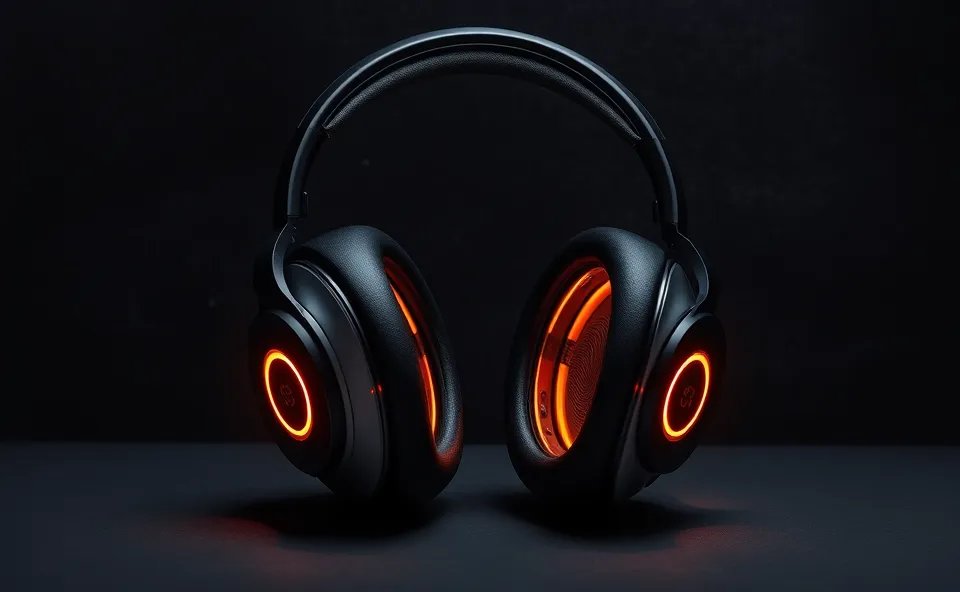
A fresh take on planar magnetic sound
If you have spent any time in the world of high end audio, you know that finding the perfect pair of wired headphones is usually a game of trade-offs. You either get incredible detail but sacrifice comfort, or you get a great soundstage that feels like it is missing a bit of punch. Lately, the audio community has been buzzing about the SJY Zeph headphones. These are not your typical mass produced cans. They are a unique set of open-back headphones that take a completely different approach to how we listen to our favorite tracks.
The standout feature here is the design. The SJY Zeph headphones feature unique flippable earcups. Yes, you heard that right. Instead of a rigid frame, these earcups are designed to rotate and flip in ways that adapt to your head shape and how you prefer to wear them. It sounds like a small gimmick at first, but when you are trying to find that perfect seal or just want to tilt the sound away for a second to hear someone talking to you, it becomes a feature you wonder how you ever lived without.
Why everyone is talking about these headphones
So, why is there so much chatter about the SJY Zeph headphones right now? It comes down to the balance between experimental design and genuine audiophile performance. People are tired of paying thousands of dollars for headphones that feel like plastic toys. The Zeph brings a level of craftsmanship that feels personal and tactile.
Beyond the build, it is all about the tech. These are planar magnetic headphones, which means they use a very thin diaphragm suspended in a magnetic field to produce sound. When you listen to music through magnets, the result is usually a much faster, more precise sound compared to the typical drivers found in most consumer gear. People are searching for these because they provide that high end planar magnetic experience without the clinical, boring sound that often plagues professional equipment. They are musical, lively, and incredibly fun to listen to.
The story behind the sound
To understand why the SJY Zeph headphones are such a big deal, we have to look at the history of these drivers. Planar technology has been around for a while, but it used to be reserved for massive, heavy headphones that would tire your neck out after thirty minutes. Over the last few years, boutique manufacturers have been trying to shrink this tech and make it more accessible.
The team behind SJY audio took a look at the landscape and realized that most listeners were bored. They wanted something that felt like a tool for musicians but lived like a pair of headphones for everyday music lovers. By focusing on the open-back architecture, they created a soundstage that feels wide and natural. Instead of feeling like the music is inside your head, it feels like you are sitting in a room with the band. This transition from stiff, traditional designs to something more fluid and ergonomic has been the secret sauce for their sudden rise in popularity.
What this means for your daily listening
If you are a music lover, the impact of the SJY Zeph headphones is immediate. When you put them on, the first thing you notice is the texture of the instruments. Because of that planar design, details that usually get buried in the background of a song suddenly pop. You can hear the breath of a singer, the slide of a finger on a guitar string, or the subtle decay of a drum hit. It makes your old playlists feel brand new again.
From a business and market perspective, this shift is telling. It proves that there is still a massive appetite for hardware that prioritizes engineering over flashy marketing. Consumers are becoming smarter. They are moving away from wireless tech that compresses their music into a digital mess and moving back toward high quality wired headphones that offer a true connection to the artist. The Zeph represents a win for smaller creators who are willing to take risks on weird, innovative features like those flippable earcups, proving that great design can win over brand name recognition every time.
Looking toward a more personal audio future
What comes next? I expect we will see a trend toward more modular and adjustable hardware. The success of these headphones shows that users want gear they can customize. The ability to physically flip your earcups is just the start. In the future, I imagine we will see more headphones that allow for modular tuning, where you can adjust the dampening or the ear pads to change the sound signature on the fly. Technology is trending toward personalization, and the SJY Zeph is leading the charge by putting the power of the fit and the feel directly into the hands of the listener.
Frequently asked questions about the SJY Zeph
What makes the SJY Zeph headphones different from other planar magnetic headphones?
The primary difference is the focus on ergonomic innovation. While most planar magnetic headphones prioritize the driver tech alone, the SJY Zeph headphones combine that high fidelity sound with a unique physical interface, specifically the flippable earcups, which allow for a more customizable fit and listening experience.
Are these open-back headphones good for all types of music?
Because they offer a very natural and wide soundstage, they are excellent for jazz, classical, and acoustic music where you want to feel the space of the recording. However, their fast response time also makes them great for rock and electronic music. Just keep in mind that being open-back means they will leak sound and are best used in quieter environments.
Do I need an amplifier to use my SJY Zeph headphones?
Generally, yes. Like most audiophile headphones that use planar magnetic technology, they perform their best when paired with a dedicated amplifier. This ensures you are getting the full, rich sound that the drivers are capable of producing.
How does the flippable earcup design improve the audio review experience?
The flippable earcups allow you to adjust the angle of the drivers relative to your ears. This helps in tuning the soundstage and the focus of the music. In almost every audio review, this feature is highlighted because it lets the user find a sweet spot that stationary headphones simply cannot provide.
Why are wired headphones like the Zeph still popular?
Wired headphones remain the gold standard for anyone who cares about sound quality. Since they do not rely on Bluetooth compression, they deliver music through magnets and copper wire exactly as the artist intended. The SJY Zeph headphones are part of a growing movement of listeners who prioritize audio fidelity over the convenience of wireless connectivity.











