

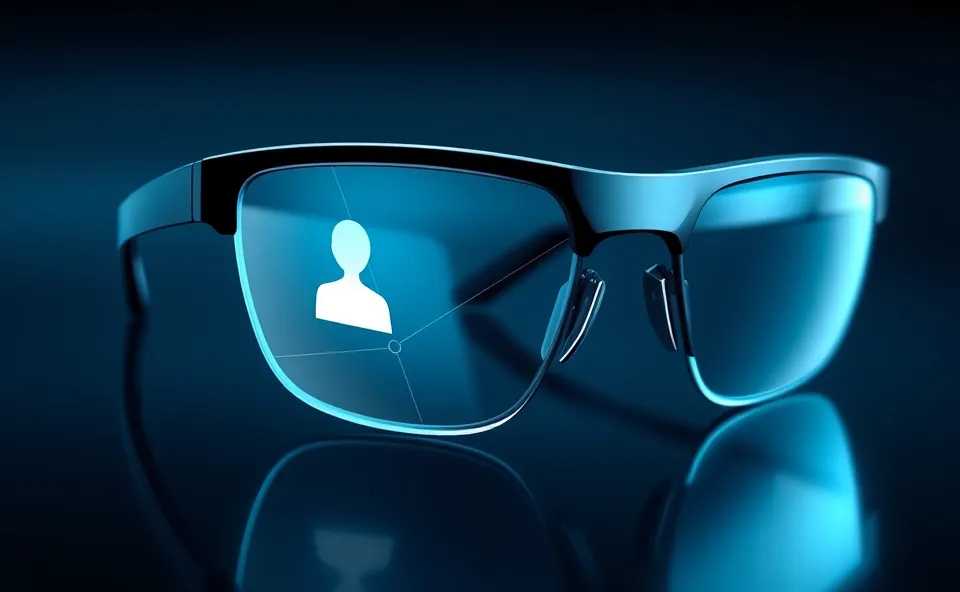
The Return of the Smart Frame
For a long time, the idea of wearing a computer on your face felt like something from a sci-fi movie. Then, a few years ago, we saw the first real attempts, and they didn’t exactly go over well. But lately, things have changed. We are seeing a new wave of smart glasses that actually look like normal eyewear. These devices are no longer just about taking a quick photo or seeing a notification. They are now integrating powerful AI that can see what you see and hear what you hear.
The big shift is that these devices are moving from being niche gadgets to tools that can actually help us in our daily lives. Imagine walking through a city in a foreign country and having your glasses translate signs in real time, or asking your glasses to identify a plant in a park. It sounds amazing, but there is a giant elephant in the room. That elephant is the creepy factor. Whenever a camera is perched on someone’s nose, people naturally wonder if they are being recorded without their knowledge. The industry is now facing a massive challenge: how to build privacy friendly smart glasses that people actually feel comfortable wearing and being around.
Why Everyone is Talking About AI Glasses Now
You might wonder why this is suddenly a hot topic again. The answer is simple: the AI explosion. A few years ago, smart eyewear was mostly about basic connectivity. Now, we have multimodal AI. This means the AI can process text, audio, and images all at once. This makes AI glasses incredibly useful. They can act as a second brain, reminding you where you left your keys or helping you write an email based on a document you are looking at.
Because the technology has finally caught up to the vision, tech giants are racing to get these devices into our hands. But as the tech gets better, the privacy concerns grow. We are now in an era where data privacy is a top priority for consumers. People are more aware than ever of how their data is collected and used. The conversation has shifted from “Can we build this?” to “Should we build this, and how do we do it without invading everyone’s space?” This tension is why smart glasses privacy has become such a critical discussion in the tech world.
The Ghost of Gadgets Past
To understand why people are nervous, we have to look back. Many of us remember the first big push for smart eyewear. It was an ambitious project, but it crashed and burned socially. The problem wasn’t the software; it was the social friction. People who wore them were given a negative nickname because they felt intrusive. The device had a camera that wasn’t always obvious, which made everyone around the wearer feel uneasy.
This created a lasting stigma. The “creepy” factor became the defining characteristic of the product. It taught the industry a hard lesson: technology cannot ignore human psychology. If a device makes the people around the user feel unsafe or watched, the user will eventually stop wearing it to avoid social isolation. This historical context is why today’s developers are obsessed with consumer trust. They know that if they don’t solve the privacy issue, their high tech frames will just end up in a desk drawer.
Making Technology Feel Human and Safe
So, how do companies actually fix the creepy factor? It starts with transparency. For privacy friendly smart glasses to work, there must be a clear, unmistakable signal that the camera is active. A small, bright LED light is a start, but it might not be enough. Some suggest using physical shutters or lights that are visible from a wide angle so there is no guessing game.
Beyond the hardware, ethical AI plays a huge role. The impact of these devices depends on where the data goes. If every image captured is sent to a cloud server, the risk of a data breach increases. To build trust, companies are looking at edge computing. This means the AI processes the information right on the glasses, and the data never leaves the device. When the processing happens locally, the privacy risk drops significantly.
Here are a few ways companies can improve wearable technology privacy:
- Clear Visual Indicators: Using bright lights that cannot be covered up by tape or stickers.
- Local Processing: Keeping data on the device instead of sending it to the cloud.
- Permission Based Recording: Implementing systems that alert nearby devices when recording starts.
- Transparent Data Policies: Using simple language to explain exactly what the AI is seeing and storing.
- User Control: Giving users a physical switch to kill the power to the camera and microphone.
When businesses prioritize these elements, they stop selling a surveillance tool and start selling a helpful assistant. This shift is essential for the market to grow. If users feel that their privacy is respected, they are much more likely to integrate these devices into their professional and personal lives.
Where We Go From Here
Looking ahead, we can expect a move toward standardization. Just as we have common symbols for recycling or power buttons, we will likely see a universal “recording” symbol for augmented reality glasses. This would take the guesswork out of the equation for the general public.
We will also likely see a deeper integration of data privacy laws specifically for wearables. Governments may require certain hardware features, like non-disableable recording lights, to protect the public. As the tech evolves, the glasses will become even more discreet, which makes these safeguards even more important.
The goal is a future where we don’t even think about the camera on someone’s face, because the privacy protections are so baked into the design that we trust them instinctively. We are moving toward a world where the technology disappears into the background, leaving only the utility behind. If the industry can master the balance between power and privacy, smart glasses could eventually replace the smartphone as our primary way of interacting with the digital world.
Common Questions About Smart Eyewear
Are smart glasses safe for data privacy?
It depends on the brand. Some devices send everything to the cloud, while others use local processing. To ensure smart glasses privacy, look for devices that offer on device AI processing and clear data deletion options.
How can I tell if someone is recording me with AI glasses?
Most privacy friendly smart glasses have a built-in LED light that glows when the camera or microphone is active. However, always check the specific model, as some designs are more discreet than others.
What makes a pair of glasses privacy friendly?
A device is considered privacy friendly if it has visible recording indicators, limits data collection to only what is necessary, and gives the user full control over their stored information through ethical AI practices.
Are there good Google Glass alternatives today?
Yes, there are many Google Glass alternatives now. Many focus on integrating AI for audio and visual assistance without the bulky, intrusive look of early prototypes, focusing more on style and social acceptance.
Will AI glasses replace smartphones?
They likely won’t replace them entirely, but they will change how we use them. Augmented reality glasses will handle quick tasks and real time information, while smartphones will remain the hub for heavy typing and deep work.











