

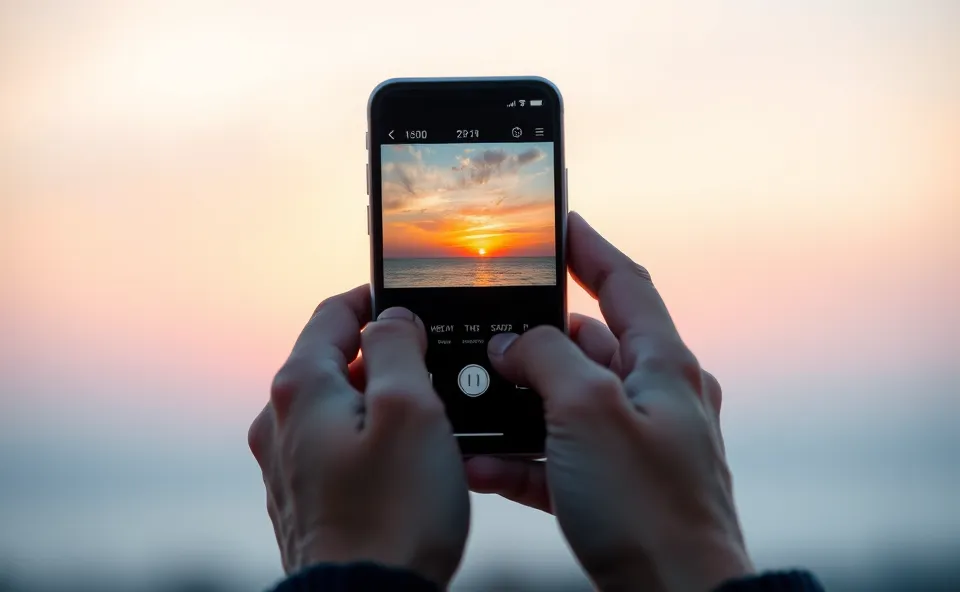
Transform Your Mobile Images Today
Most of us carry a powerful computer in our pockets, yet we often use its most impressive feature, the camera, in a very basic way. We point, we click, and we hope for the best. But there is a massive difference between a lucky snapshot and a beautiful photograph. To take better smartphone photos, you do not need to buy expensive equipment. You simply need to change how you interact with the device you already own.
The process starts with the simplest step: cleaning your smartphone lens. It sounds obvious, but your phone lives in your pocket or bag, collecting fingerprints and dust. A quick wipe with a soft cloth can instantly remove that hazy, washed-out look from your images. Once your lens is clear, you can focus on composition tips that make your photos look intentional.
One of the most effective ways to improve is to use the grid feature in your smartphone camera settings. Most phones allow you to turn on a grid that divides your screen into nine squares. Instead of putting your subject dead center, try placing them along one of the lines or at the intersections. This is called the rule of thirds, and it immediately makes your images feel more balanced and professional.
Lighting is the next big factor. You do not need professional studio lights to achieve great results. In fact, natural light is often your best friend. When you are outdoors, try to shoot during the golden hour, which is the period shortly after sunrise or before sunset. The light is softer and warmer during this time. If you are indoors, move your subject closer to a window. Avoid using the built-in flash whenever possible, as it often creates harsh shadows and flat images. Instead, use photography lighting techniques like finding side lighting to add depth and texture to your subject.
To truly improve mobile photos, you should also explore some phone camera hacks involving your software. For example, instead of just tapping the screen to focus, tap and hold to lock the exposure. This allows you to manually slide your finger up or down to brighten or darken the scene before you take the shot. Once you have captured the perfect moment, do not stop there. Using the best photo editing apps can take a good photo and make it extraordinary. Apps like Snapseed or Adobe Lightroom allow you to adjust contrast, saturation, and sharpness with precision.
- Clean your lens before every important shot.
- Turn on your camera grid to help with composition.
- Lock your focus and exposure to control the light.
- Seek out natural, soft light instead of using flash.
- Use editing apps to fine-tune colors and details.
The Modern Craze for Visual Storytelling
You might notice that everyone around you seems to be a photographer lately. Whether it is on Instagram, TikTok, or even professional LinkedIn updates, the world has become incredibly visual. People are searching for ways to take better smartphone photos because our digital identities are now built on the images we share. We are no longer just capturing memories; we are creating content.
The rise of the creator economy has turned hobbyists into professionals. Small business owners, influencers, and even corporate employees use their phones to tell stories. Because high-quality imagery grabs attention more effectively than text, learning mobile photography tips has become a vital modern skill. We live in an era where a single well-composed photo can reach thousands of people instantly, making the ability to capture great images more valuable than ever.
The Journey from Basic Snaps to High Quality Art
To understand why our phones are so good now, we have to look back at how digital photography used to work. A decade ago, if you wanted a sharp, professional-looking photo, you needed a heavy DSLR camera and a bag full of lenses. Smartphone cameras were mostly used for quick, low-quality snaps that were often blurry or grainy in low light.
The shift happened because of computational photography. Instead of relying solely on the physical size of the smartphone lens, manufacturers began using powerful processors to do the heavy lifting. When you press the shutter button today, your phone actually takes multiple images at different exposures and blends them together in a fraction of a second. This technological leap is what allows a tiny device to mimic the look of much larger cameras, bridging the gap between casual snapshots and professional art.
How Better Photos Change Your World
Mastering your phone camera has an impact that goes far beyond just looking good on social media. For individuals, it changes how we document our lives. We can capture fleeting moments with a level of detail that makes those memories feel more real years later. It turns every walk in the park or family dinner into a potential creative project.
For businesses, the impact is even more tangible. In the past, a small business might have needed a large budget to hire a professional photographer for product shots. Now, with the right smartphone camera settings and a bit of practice, a small brand can create stunning marketing materials on a budget. This democratization of photography allows anyone with a device and a vision to compete in a visual marketplace. It levels the playing field, allowing creativity to shine regardless of the size of your wallet.
The Next Frontier of Mobile Imaging
As we look ahead, the way we use our phones to capture the world will only become more seamless. We are moving toward an era where artificial intelligence will handle even more of the technical work. Imagine a phone that not only recognizes a beautiful sunset but automatically adjusts every setting to capture the perfect color palette without you even thinking about it.
We will likely see even more advanced integration of AI-driven editing. Instead of manually adjusting sliders, you might simply tell your phone to make a photo look like it was taken on vintage film or to remove a distracting person from the background. While the hardware will continue to improve, the real revolution will be in the software, making professional-grade results accessible to every person on the planet. The line between a smartphone and a professional camera will continue to blur until it eventually disappears.
Frequently Asked Questions
How can I take better smartphone photos in low light?
The best way to take better smartphone photos in dark settings is to seek out as much ambient light as possible. Avoid using the flash, as it can wash out your subject. Instead, use a tripod or lean your phone against a steady surface to prevent blur, and try using Night Mode if your device supports it.
What are the most important smartphone camera settings to check?
You should always check your grid lines for better composition and ensure your HDR mode is turned on. HDR helps balance the bright and dark areas of a photo. Additionally, learning how to lock your focus and exposure will give you much more control over the final look of your image.
Which are the best photo editing apps for beginners?
If you are looking for the best photo editing apps, Snapseed is a fantastic starting point because it is free and very intuitive. Adobe Lightroom is also excellent if you want to move into more advanced color grading and professional-style edits.
Are there any quick phone camera hacks for better shots?
One of the best phone camera hacks is to always clean your lens before you start shooting. Another great tip is to use the volume buttons on the side of your phone to snap the picture, which can help you hold the device more steadily than tapping the screen.
How do photography lighting techniques change for mobile?
When using photography lighting techniques on a mobile device, you have to be mindful of the smaller sensor. You should prioritize soft, diffused light, such as light coming through a window or during the golden hour. Avoid harsh, direct sunlight, which can create difficult shadows that are hard for a smartphone to balance.











