

From Scrolling to Strolling: How Outernet Sparks Real-World Adventures
Ever saved a cool restaurant, a fascinating exhibition, or a live music gig on your phone, only for it to gather digital dust? We’ve all been there. You bookmark, you pin, you screenshot – a treasure trove of potential real-world adventures sitting right in your apps. But what if there was a way to bridge that gap, to turn those saved posts into actual, tangible experiences? That’s exactly what Outernet is all about, and it’s starting to get people talking.
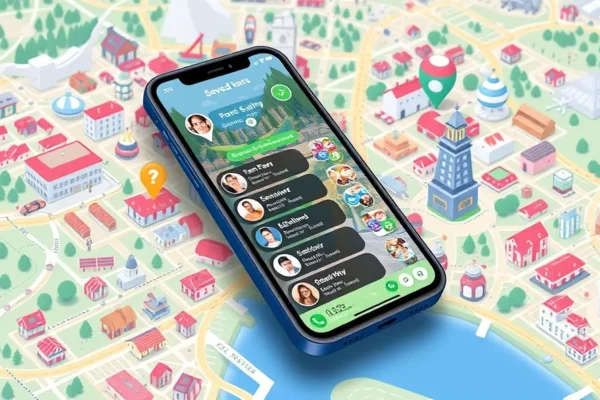
Imagine this: you’re scrolling through social media and stumble upon an amazing street art mural or a pop-up market. You save it, thinking, “I should check that out sometime.” Outernet takes that ‘sometime’ and makes it happen. It’s a clever piece of technology designed to connect our online discovery with exciting offline events, transforming passive saving into active exploration. Think of it as a digital guide that nudges you out the door to experience the world around you, inspired by what catches your eye online.
Why the Buzz About Outernet Now?
The current excitement around Outernet isn’t just about a new app; it’s about a growing desire for genuine connection and memorable experiences. In a world often dominated by screens, there’s a powerful pull towards the tangible, the shared, and the spontaneous. We’ve seen viral offline events pop up everywhere, from surprise flash mobs to impromptu community gatherings, all fueled by the power of social sharing. People are actively seeking ways to break free from their digital routines and inject a bit of real-life magic into their days.
Outernet taps into this sentiment perfectly. It’s responding to a collective craving for something more than just likes and shares. It’s about the thrill of discovery, the joy of experiencing something new, and the stories you can tell afterward. This focus on turning online discovery into tangible offline events is resonating because it offers a refreshing alternative to passive consumption. The technology is exciting, but the core appeal is deeply human: the desire to live more fully.
A Look Back: The Seeds of Digital to Physical Experiences
While Outernet might seem like a fresh concept, the idea of blending digital information with physical locations has been brewing for a while. Think about the early days of location-based services, or even just using a map app to find your way somewhere. But the game really started to change with augmented reality apps that overlay digital information onto the real world. QR codes, too, though sometimes clunky, were an early attempt to link physical objects to online content.
More recently, platforms have been experimenting with how to leverage user generated content and saved posts. We’ve seen features emerge that suggest nearby attractions based on your interests, or create digital maps of places you want to visit. However, these often remain within the digital realm, serving more as wish lists than actionable plans. Outernet’s innovation lies in its direct approach to bridging this gap, using the saved items on your phone as prompts for curated, real-world adventures, moving beyond simple recommendations to actively facilitating experiences.
The Ripple Effect: What Outernet Means for Us
The impact of technology like Outernet is multifaceted, affecting users, businesses, and the very way we interact with our cities. For users, it’s about reclaiming their time and transforming mundane moments into opportunities for excitement. Instead of endless scrolling, you get engaging scavenger hunts, spontaneous outings, and a richer understanding of your local area. It’s a powerful tool for overcoming inertia and actually doing the things you’ve always intended to.
For businesses, especially local ones, Outernet offers a new avenue to connect with potential customers. Imagine a small cafe or an independent bookstore being discovered not just through a search query, but through a user’s saved post leading them directly to its doorstep. This can foster a stronger sense of community and support local economies. The technology itself represents a significant leap in user experience design, focusing on intuitive interaction and genuine value.
From a broader technology perspective, Outernet is pushing the boundaries of what’s possible with location services and personalized content delivery. It’s an example of innovation that prioritizes practical application and user well-being over abstract digital concepts. It shows how sophisticated technology can be used to enhance our physical lives, making them more vibrant and connected.
Looking Ahead: The Next Steps for Outernet
The future for Outernet looks promising, with potential for continued growth and integration into our daily lives. As more people embrace the idea of turning digital discoveries into real-world adventures, the platform can expand its offerings. We might see more sophisticated event creation tools, allowing users and businesses to easily design and share interactive experiences.
Imagine Outernet becoming a central hub for hyper-local, personalized events. It could evolve to suggest not just places but also activities or even social meetups based on your saved interests and your friends’ online discoveries. The technology could also become smarter, learning your preferences and proactively suggesting opportunities you might have missed. The key will be maintaining that balance: using advanced technology to facilitate genuine human connection and memorable offline events.
Frequently Asked Questions About Outernet and Real-World Adventures
What exactly is Outernet?
Outernet is a technology and app that transforms the places and events you save online into opportunities for real-world adventures. It aims to bridge the gap between your digital discoveries and your offline experiences, making it easier for you to actually go out and explore.
How does Outernet help with online discovery leading to offline events?
It works by taking your saved posts, bookmarks, and other online interests and suggesting ways you can turn them into actual activities. This might involve curated routes, event notifications, or even prompts to explore specific locations, encouraging you to move from passively saving content to actively engaging with it in the real world.
Can Outernet be used for things like scavenger hunts?
Absolutely. The concept of Outernet lends itself perfectly to scavenger hunts and similar interactive offline events. By connecting saved locations and online clues to physical exploration, it can gamify the process of discovery and make finding new places more exciting and engaging for users.
What makes this app different from other discovery tools?
The main difference is Outernet’s focus on actionable experiences. While other apps might help you find places or save them, Outernet’s core innovation is in actively guiding you from your saved posts to completing a real-world adventure. It’s about facilitating the transition from digital intention to physical action.
Is Outernet a new type of technology for creating real-world adventures?
Yes, Outernet represents an interesting innovation in how we can leverage technology for personal enrichment. It’s not just another recommendation engine; it’s a system designed to actively inspire and enable users to embark on new real-world adventures, inspired by their online discovery and curated for tangible experiences.











