

Europe’s Launch Pad Problem: A Coming Rocket Shortage
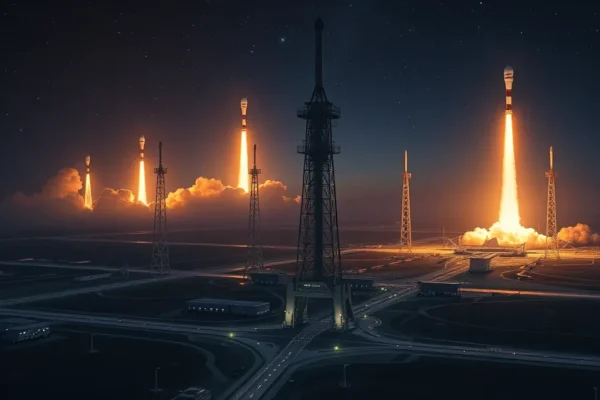
Picture this: by 2030, Europe might not have enough rockets to send its satellites into space. That’s the stark warning from a top space agency chief. It sounds like something out of a sci-fi movie, but it’s a real concern brewing in the European space industry. Essentially, demand for space launches is zooming up, but Europe’s ability to provide those launches isn’t keeping pace. This isn’t just about a few disappointed scientists; it has serious implications for businesses, technology, and even how we get our information. We’re looking at a potential rocket launcher shortage that could reshape the future of space for Europe.
Why This Rocket News Is Suddenly Hot
You might be wondering why this rocket launcher shortage is suddenly a hot topic. It’s because the data is now pointing to a critical tipping point. For years, the satellite market has been growing steadily. We rely on satellites for everything from GPS navigation and weather forecasts to banking transactions and global communication. As more and more companies and countries want to put their own satellites into orbit, the need for rockets that can carry them there surges. The European Space Agency and other players in the European space industry have been working to build up their launch capabilities, but experts are now saying it’s simply not enough, and the gap is widening faster than anticipated. This realization is hitting home, prompting discussions about manufacturing, supply chains, and the overall health of the space sector.
A Look Back: Building Europe’s Space Ambitions
To really get why this rocket launcher shortage is a big deal, it helps to understand where Europe has been. For a long time, European nations relied on international partners for their space launch needs. However, the desire for greater autonomy and control over their space assets led to a concerted effort to develop indigenous launch capabilities. Think of the Ariane rocket program, a decades-long endeavor that has been a cornerstone of European space activity. There’s also been a push to foster innovation and attract private companies to the launch market, creating a more dynamic and competitive aerospace landscape. The European Space Agency has played a crucial role in funding research and development, and fostering collaboration. The goal has always been to ensure Europe has secure and independent access to space. But what was planned for is now facing a crunch because the market is evolving at an unprecedented speed.
What This Means for All of Us
So, what’s the big deal about a rocket launcher shortage? It’s more than just a technical problem for engineers. For everyday users, it could mean delays in new satellite services or even disruptions to existing ones. Imagine your GPS being less reliable or your favorite streaming service experiencing hiccups because the satellites that support them are stuck on the ground.
For businesses, the impact is even more direct. Companies that rely on satellite data for agriculture, disaster response, or financial services might face higher costs or longer wait times to get their equipment into orbit. This could stifle innovation and slow down the growth of the burgeoning satellite market. The entire space industry, from the companies that build rockets to those that design satellites, feels this pinch.
From a technology perspective, it highlights the critical importance of manufacturing and supply chain resilience. If Europe wants to maintain its position in space, it needs to ramp up its rocket manufacturing capabilities and ensure a robust supply chain for all the complex components involved. This could spur investment in new factories and technologies, creating jobs and driving economic growth in the aerospace sector. Ultimately, a shortage of launch capacity could slow down the pace of discovery and technological advancement that space exploration and utilization promise. It forces us to think critically about the infrastructure needed to support our increasingly space-dependent world.
Looking Ahead: Charting a Course Through the Shortage
What happens next in this story of a potential rocket launcher shortage? The most logical step is for Europe to double down on increasing its launch capacity. This likely involves several key areas. Firstly, there will be an increased focus on manufacturing. This means investing in factories, training skilled workers, and streamlining production processes to build more rockets faster. It’s about scaling up the existing capabilities.
Secondly, the supply chain will be under intense scrutiny. Ensuring that all the necessary parts and materials are readily available, from the smallest microchip to the largest fuel tank, will be paramount. This might involve diversifying suppliers or even bringing some manufacturing back in house to reduce reliance on external factors.
Thirdly, we could see continued support for innovative launch solutions. This might include fostering smaller, more agile launch companies or exploring new rocket designs that are more cost-effective and quicker to produce. The goal is to increase the overall number of launch opportunities available.
Finally, there will likely be more collaboration. European nations, the European Space Agency, and private companies will need to work even more closely together to identify bottlenecks and develop coordinated strategies. The future of space for Europe hinges on its ability to adapt and expand its launch capabilities to meet the growing global demand.
Frequently Asked Questions About Europe’s Rocket Challenge
What is the main concern about Europe’s rocket launcher shortage?
The primary worry is that by 2030, Europe will not have enough rockets to launch the increasing number of satellites that are planned. Demand for space launches is expected to significantly outstrip the available launch capacity in the region.
How does the satellite market influence this rocket launcher shortage?
The rapidly expanding satellite market, driven by needs in communication, navigation, Earth observation, and more, directly increases the demand for space launches. As more satellites are built and require deployment, the need for rockets becomes more acute, contributing to the potential rocket launcher shortage.
What role does the European Space Agency play in this situation?
The European Space Agency is a key player in developing and supporting Europe’s space capabilities, including launch vehicles. They are involved in funding research, developing new technologies, and fostering the overall ecosystem for European space launches. Their efforts are crucial in addressing the projected rocket launcher shortage.
What are the implications of a rocket launcher shortage for the space industry?
A rocket launcher shortage could lead to increased costs for space launches, longer waiting times for satellite deployments, and potentially stifle innovation. It puts pressure on manufacturing and supply chain operations within the aerospace sector as they try to meet demand.
What steps can be taken to overcome the rocket launcher shortage in Europe?
To address the rocket launcher shortage, Europe can focus on increasing manufacturing capacity for rockets, strengthening its supply chain, supporting new and innovative launch providers, and fostering greater collaboration between governmental agencies and private companies in the space industry.











