

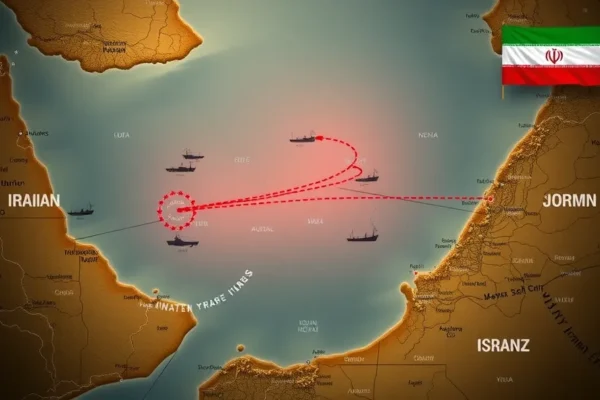
A New Sheriff in Town at Iran’s Security Council
So, something interesting has been happening over in Iran regarding who’s in charge of some pretty important security matters. The big news is that the leadership of the Supreme National Security Council has seen a change. Think of this council as a key group that advises Iran’s top leaders on all sorts of big national security decisions, including how they deal with other countries and what they do in sensitive regions. The shift means a new person is now steering the ship for these discussions, and that’s got a lot of people paying attention, especially when we consider the Strait of Hormuz.
Why the Buzz Right Now?
You might be wondering why this particular change is catching so much attention right now. Well, the Strait of Hormuz isn’t just any body of water; it’s one of the world’s most critical choke points for oil shipments. Anything that happens there, or is perceived to happen there, sends ripples through global markets and international relations. When there’s a significant shift in leadership within Iran’s top security body, especially one that has historically played a role in decisions impacting this vital waterway, it naturally raises questions about future policy and potential actions. This is why people are looking for insights into the potential impact on maritime security.
A Little Background to Set the Scene
To truly grasp the significance of this leadership change, it’s helpful to look back a bit. Iran has always held a strategically vital position in the Middle East geopolitics. The Supreme National Security Council has been instrumental in shaping Iran’s foreign policy and defense strategies. For years, figures like Mohsen Rezaei have been associated with prominent roles in this sphere, influencing discussions around regional security and Iran’s stance on international issues. The Strait of Hormuz, a narrow channel between the Persian Gulf and the Gulf of Oman, is the only sea passage from the Persian Gulf to the open ocean. A huge portion of the world’s oil passes through it daily. Because of this, it’s become a focal point for regional tensions and a constant consideration in international relations, especially concerning maritime security.
What This Means for Us
This change in leadership within the Iran security council isn’t just an internal affair. Its potential impact stretches far beyond Iran’s borders, especially concerning the Strait of Hormuz. Think about it this way:
- Global Oil Flows: The Strait of Hormuz is a critical oil transit route. Any instability or perceived threat in this region can lead to fluctuations in oil prices, affecting economies worldwide. A new security chief might bring a different approach to how Iran manages its presence and interactions in this sensitive maritime area.
- Regional Stability: The Middle East geopolitics are already complex. Changes in Iran’s leadership, particularly within its top security body, can influence the dynamics between Iran and its neighbors, potentially affecting broader regional security. This could lead to shifts in alliances or increased caution among regional players.
- International Relations: How Iran interacts with the international community, particularly major global powers and shipping nations, is often viewed through the lens of its security posture. A new security council leader could signal a change in Iran’s diplomatic approach or its willingness to engage on certain issues related to maritime security and international waters.
- Business and Investment: For businesses that rely on stable shipping lanes or operate in the region, any perceived increase in risk in the Strait of Hormuz can impact logistics, insurance costs, and investment decisions. Understanding the implications of Iranian leadership changes is crucial for risk assessment.
Looking Ahead: What Might Happen Next?
Predicting the future is always tricky, but we can make some educated guesses based on the situation. The key will be observing the actions and statements from the new leadership. Will there be a continuation of existing policies, or a notable shift in approach towards maritime security and the Strait of Hormuz? We might see:
- A Period of Observation: Initially, there might be a period where the new leadership consolidates its position and signals its intentions. This could involve both public statements and behind-the-scenes diplomatic overtures.
- Focus on Deterrence and Diplomacy: Iran has historically used a combination of deterrence and diplomacy. The new security chief might continue this balancing act, reinforcing Iran’s defensive capabilities while also seeking avenues for dialogue on regional security issues.
- Economic Considerations: Given the global reliance on oil transit routes, any significant disruption would have severe economic consequences for Iran itself. Therefore, pragmatic considerations regarding the economic impact are likely to play a role in decision-making.
- International Watchfulness: The international community, particularly countries with significant interests in the Persian Gulf, will be closely monitoring any developments. This heightened scrutiny itself can influence decision-making by the new Iranian leadership.
Got Questions? We’ve Got Answers
What is the role of the Supreme National Security Council in Iran?
The Supreme National Security Council is a top advisory body in Iran that discusses and decides on major national security and foreign policy matters. It plays a crucial role in shaping Iran’s stance on regional issues and its approach to international relations, including matters related to maritime security.
How does the Iran security council leadership change affect the Strait of Hormuz?
Any change in leadership within the Iran security council can potentially influence Iran’s policies and actions concerning the Strait of Hormuz. Given its strategic importance as an oil transit route, shifts in Iran’s security posture could impact maritime security and regional stability.
Is Mohsen Rezaei still involved in Iranian leadership?
While Mohsen Rezaei has held significant positions in the past, leadership roles are subject to change. The specific current involvement of individuals depends on recent appointments and shifts within the Iranian leadership structure, including the Supreme National Security Council.
What are the main geopolitical implications for the Middle East?
Changes in Iran’s security leadership can have far-reaching implications for Middle East geopolitics. It might influence regional power dynamics, the relationships between Iran and its neighbors, and the overall security environment in the Persian Gulf and surrounding areas.
What does this mean for global maritime security?
The Strait of Hormuz is vital for global maritime security due to the massive volume of oil passing through it. A new leadership within Iran’s security council could lead to changes in how Iran manages this waterway, potentially affecting shipping safety, oil prices, and international trade routes.











