

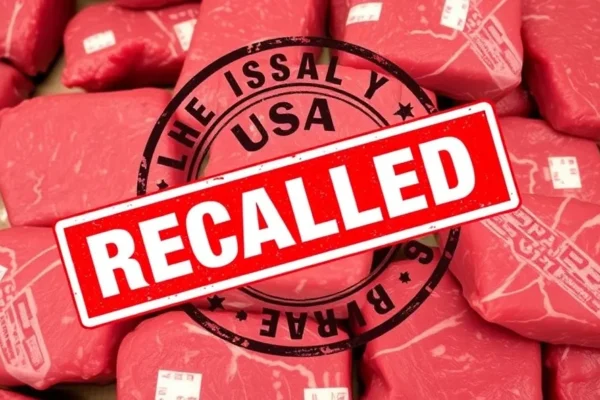
Argentina Beef Takes a Hit Over Missed Checks
Hey there! So, big news in the food world: almost 30,000 pounds of raw beef that made its way here from Argentina is being recalled. Why? Because it looks like some important import inspections got missed along the way. This is a pretty significant amount of meat, and it’s got people talking, especially those who care a lot about what’s on their dinner plates and how it got there.
Why Are We Talking About This Beef Recall Now?
You’re probably hearing about this beef recall because, well, food safety is always a big deal. When a product like raw meat, which has its own set of handling and safety considerations, misses crucial checks, it raises immediate questions. The sheer volume involved, nearly 30,000 pounds, makes it a noteworthy event. Plus, with today’s connected world, news like this travels fast. People are naturally curious about what they’re eating and whether it meets the standards they expect. This incident highlights the importance of the entire supply chain, from where the food originates to when it lands on our shores, and the systems in place to ensure it’s safe.
A Look Back: Navigating Import Regulations
This isn’t the first time that a beef recall has made headlines, and it likely won’t be the last. The process of importing food into any country is complex, involving a web of regulations designed to protect public health. For something like raw meat, these import regulations are particularly stringent. They cover everything from animal health in the country of origin to the processing and shipping methods. The USDA, for example, has a vital role in overseeing food safety in the United States, including inspecting imported products to make sure they meet our standards. Sometimes, due to sheer volume of goods, or perhaps human error, or even systemic issues, gaps can appear in these inspection processes. This beef recall from Argentina is a stark reminder that even with robust systems in place, vigilance is key. It’s not about singling out any one country, but about the universal challenges of maintaining oversight across international borders for perishable goods.
What This Means for Everyone
So, what’s the real impact of this product recall? For consumers, it’s a direct reminder to stay informed about food recalls. While this beef is being pulled from shelves, it’s important to remember that recalls are designed to prevent potential issues. For businesses, particularly those involved in importing and distributing food, this is a significant event. It underscores the critical need for meticulous record-keeping and adherence to import regulations. A recall like this can lead to financial losses, damage to reputation, and a thorough review of their internal processes. Think about the logistics of tracing and retrieving nearly 30,000 pounds of raw meat – it’s a massive undertaking. For the broader food industry, this beef recall serves as a cautionary tale, reinforcing the importance of robust food safety protocols and efficient communication throughout the supply chain. It also puts a spotlight on the technology and systems that support these inspections and tracking mechanisms. When these systems falter, even slightly, the consequences can ripple outwards.
Looking Ahead: Strengthening the Chain
What happens next after a beef recall like this? You can expect that regulators, like the USDA, will likely conduct a thorough review of the circumstances that led to the missed import inspections. This might involve looking at the specific inspection points, the personnel involved, and the processes at the port of entry. For Argentina, the focus will be on ensuring their export facilities and documentation align perfectly with the import requirements of their trading partners. Businesses that imported this beef will be working diligently to account for all affected product and to demonstrate to authorities that their systems are now in full compliance. In the longer term, events like these can spur improvements in import inspection technology and data sharing between countries. The goal is always to make the food supply chain safer and more transparent, and sometimes it takes an incident like this to drive meaningful change. It’s about learning from what happened and building stronger safeguards for the future, ensuring that when we buy raw meat, it has gone through all the necessary checks.
Got Questions About This Beef Recall?
What is the main reason for this beef recall from Argentina?
The primary reason for this specific beef recall is that the raw meat imported from Argentina missed crucial import inspections required to ensure food safety standards were met before entering the country.
How much Argentina beef is affected by this product recall?
Approximately 30,000 pounds of raw beef imported from Argentina is affected by this product recall.
Who is responsible for overseeing import inspection of beef in the US?
In the United States, agencies like the USDA are responsible for overseeing the import inspection of beef to ensure it meets the country’s food safety regulations.
What should consumers do if they suspect they have this raw meat?
Consumers who believe they may have purchased the affected raw meat should check recall notices from the USDA and follow their guidance, which typically involves discarding the product safely or returning it if possible. This is a vital consumer alert.
Could this beef recall impact future imports from Argentina?
While it is possible for incidents like this beef recall to lead to increased scrutiny, the impact on future imports from Argentina will depend on the findings of the investigation and the corrective actions taken by both the exporting country and the importers to strengthen their adherence to import regulations.











