

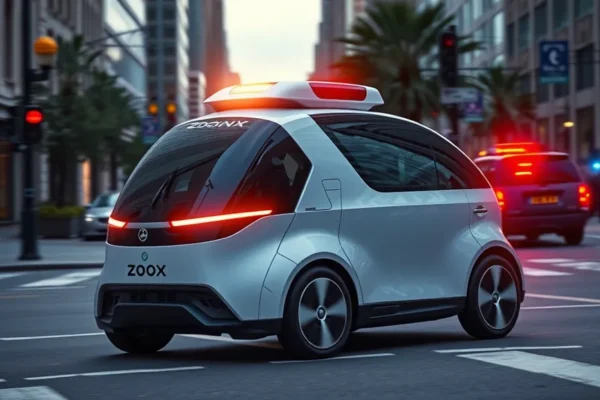
A Robotaxi Incident in Las Vegas Sparks a Bigger Conversation
You might have heard about a recent incident involving a Zoox robotaxi in Las Vegas. It sounds like the autonomous vehicle, which was operating without a safety driver, encountered an emergency scene. Details are still emerging, but it appears the vehicle didn’t quite know how to navigate the situation safely and ended up stopping in a way that blocked responders. It’s the kind of scenario that gets people talking, especially when we think about how self-driving cars will share our roads.
Why This Zoox Moment Matters Right Now
This event is hitting the headlines and trending because it’s a real-world test of autonomous vehicle technology, and frankly, it highlights a tricky part of this whole self-driving revolution. Whenever a robotaxi faces a complex, unexpected situation like an emergency scene, it immediately raises questions about safety and readiness. People are searching for information because they want to understand how these advanced vehicles handle the unpredictable nature of real life, and what it means for traffic safety. It’s a crucial moment for the AV industry as a whole, and Zoox, being a prominent player backed by Amazon, is right in the spotlight.
Looking Back: The Road to Robotaxis
Zoox has been working on its fully autonomous ride-hailing service for a while now. They’ve been developing their own unique vehicle from the ground up, designed specifically for robotaxi missions. Unlike some other companies that retrofit existing cars, Zoox built something completely new. This approach aims to maximize safety and efficiency for a driverless future. They’ve been testing their vehicles extensively, gathering data and refining their systems. The goal has always been to offer a safe, reliable, and convenient transportation technology. This incident, while concerning, is also part of the iterative process of developing and deploying such advanced systems. It’s important to remember that the AV industry is still relatively young, and these kinds of learning experiences are unfortunately part of the journey toward widespread adoption.
What This Means for the Future of Getting Around
This Las Vegas incident really puts a spotlight on the need for clear rules and guidelines when it comes to autonomous vehicles, especially when they encounter situations that require human-level judgment. Zoox CEO Aicha Evans has been vocal about this. She’s emphasizing that while the company is committed to safety, they also believe that robust regulations are essential for the entire AV industry. It’s not just about individual companies proving their technology; it’s about establishing a framework that ensures consistent safety standards across the board. For everyday users, this means that the rollout of robotaxis might involve more scrutiny and perhaps a slower pace than some initially hoped. It also means that cities and authorities will have to grapple with how to integrate these vehicles into existing traffic management systems, particularly around critical infrastructure like emergency scenes. From a business perspective, it underscores the importance of strong automated vehicle policy. Investors and competitors alike will be watching closely to see how Zoox and other AV companies respond to such challenges and how regulators adapt their approach. This event could accelerate discussions about liability, operational boundaries, and the very definition of “safe operation” in a world with self-driving cars.
Navigating the Road Ahead: Regulation and Innovation
So, what’s next? The push for clearer autonomous vehicle regulation is likely to gain momentum. We can expect to see more dialogue between AV developers like Zoox, government bodies, and safety advocates. The goal is to create a framework that allows for innovation while ensuring that public safety remains the top priority. For Zoox and Amazon, this means continuing to refine their technology, learn from every operational experience, and actively participate in shaping the regulatory landscape. It’s a delicate balance: pushing the boundaries of transportation technology while building public trust. We might see more pilot programs with specific operational design domains, meaning the vehicles operate only in certain conditions or areas, until the technology is proven robust enough for wider deployment. The AV industry needs to demonstrate that its self-driving cars can not only navigate everyday commutes but also handle the unexpected with grace and safety, especially when first responders are involved.
Frequently Asked Questions About Zoox and Autonomous Vehicles
What was the Zoox incident in Las Vegas about?
The Zoox incident involved one of their robotaxis, operating without a safety driver, encountering a Las Vegas emergency scene. Reports suggest the autonomous vehicle stopped in a way that impeded emergency responders, highlighting challenges in how self-driving cars navigate complex, unexpected situations.
What is Zoox’s stance on autonomous vehicle regulation?
Zoox CEO Aicha Evans has made it clear that the company is a strong proponent of clear and comprehensive autonomous vehicle regulation. While committed to safety, Zoox believes industry-wide standards and government oversight are crucial for the responsible development and deployment of robotaxi services.
How does this incident affect the future of robotaxis?
This incident could lead to increased scrutiny of robotaxi operations and potentially accelerate the development of more detailed automated vehicle policy. It underscores the need for AV companies to demonstrate the ability of their self-driving cars to safely handle unforeseen events, particularly those involving public safety personnel and emergency scenes.
What is Zoox’s relationship with Amazon?
Zoox is a wholly owned subsidiary of Amazon. This acquisition provides Zoox with significant resources and support as they continue to develop and deploy their autonomous ride-hailing technology.
What are the key challenges for the AV industry after this Zoox event?
Key challenges include ensuring the safe navigation of autonomous vehicles through complex scenarios like emergency scenes, building public trust in self-driving cars, and collaborating with regulators to establish effective automated vehicle policy that fosters innovation while prioritizing traffic safety.











