

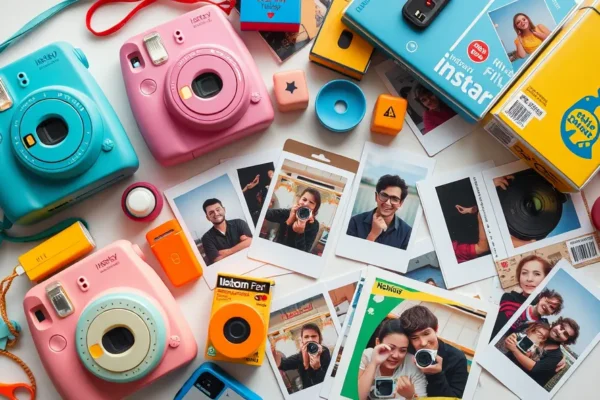
The Comeback of Tangible Memories: Why Instant Cameras Are Hot Again
Remember the days of waiting for your photos to develop, the excitement of a tiny square of magic appearing before your eyes? Well, that feeling is back, and it’s bigger than ever. Instant cameras, once a nostalgic relic, are surging in popularity. People are ditching the endless scroll of digital galleries for something more real, something they can hold, share, and display. It’s a trend driven by a desire for connection, a love for the tactile, and a growing appreciation for the unique charm of analog photography.
Why Are We All Suddenly Obsessed with Instant Cameras?
This isn’t just a fleeting fad. The resurgence of instant cameras is a clear signal that in our hyper-digital world, we crave something tangible. Think about it: in an age where photos are captured by the thousands and often lost in the cloud, an instant photo is a deliberate choice. It’s a snapshot of a moment, produced right there and then, with a satisfying click and whirr. This immediacy, coupled with the unique aesthetic of instant film, offers a break from the polished perfection of digital. It’s about embracing imperfection, the happy accidents, and the pure joy of holding a physical memory in your hands. This is why searching for the best instant cameras has become so common.
A Little Trip Down Memory Lane with Instant Photography
Instant photography isn’t exactly new. It’s been around for decades, offering a unique way to capture memories. Polaroid, the iconic name synonymous with instant cameras, pioneered this technology. For a long time, it was the go-to for families and fun-lovers wanting instant keepsakes. Then came digital, and many thought the instant camera’s time was up. But like a classic vinyl record, it found its footing again. Fujifilm stepped in with its Instax line, breathing new life into the market with user-friendly designs and accessible film. Kodak, another legendary name in photography, also brought its heritage to the instant game. These companies understood that the appeal of instant photography goes beyond just taking a picture; it’s an experience.
What Does This Mean for Your Photo Albums and Your Life?
The impact of this instant camera renaissance is pretty significant, especially for us enthusiasts. For starters, it means more choices than ever when looking for the best instant cameras. You can pick a camera that perfectly suits your style and needs, whether you’re a beginner just dipping your toes into instant photography or a seasoned retro camera lover.
Here’s a quick breakdown of what makes the current crop of instant cameras so appealing:
- Photo Quality: While digital offers ultimate control, instant film has its own charm. Think soft colors, a slightly dreamy look, and that characteristic instant border. Different film types from Polaroid, Fujifilm Instax Mini, and Kodak offer distinct looks, from vibrant to more subdued tones.
- Film Cost: This is often the biggest consideration for instant photographers. Film packs can add up, so it’s worth comparing prices per shot. Fujifilm Instax Mini film is generally the most affordable and widely available, making it a great starting point. Polaroid film often comes at a higher price but offers larger formats and unique aesthetic qualities. Kodak’s offerings also provide a distinct vintage feel.
- Ease of Use: Today’s instant cameras are incredibly beginner-friendly. Many have automatic exposure settings, making it simple to point and shoot. For those who enjoy a bit more control, some models offer manual adjustments or creative modes. Hybrid instant cameras, which combine digital capture with instant printing, offer the best of both worlds, letting you choose which shots to print.
For businesses, this trend shows a healthy appetite for physical products and unique experiences. For technology, it’s a fascinating example of how analog principles can thrive alongside digital advancements. It’s also fueling innovation in instant film technology itself, with brands constantly experimenting with new effects and formats.
Where Are We Heading with Instant Cameras?
Looking ahead, the future for instant cameras seems bright and innovative. We can expect to see more hybrid instant camera models, blurring the lines between digital and analog even further. Imagine being able to edit your instant photos on your phone before printing, or having cameras with advanced connectivity features. Fujifilm has already made strides here, and Polaroid continues to innovate with its unique film formats. Kodak might also surprise us with new takes on its classic appeal.
Furthermore, expect a continued focus on personalization. More film options, creative accessories, and perhaps even collaborations with artists will likely emerge, catering to the growing community of instant photography enthusiasts. This isn’t just about taking pictures; it’s about creating art and preserving memories in a way that feels personal and special. The demand for photography gadgets that offer a unique, tangible output will only grow.
Got Questions About Getting Started with Instant Cameras?
Here are some common questions people ask when exploring the world of instant photography:
What are the best instant cameras for beginners?
For beginners, the Fujifilm Instax Mini cameras are often recommended. Models like the Instax Mini 12 are incredibly simple to use, automatically adjusting settings for great shots. They offer the most accessible entry point into instant photography, with readily available and relatively affordable film.
How much does instant film cost?
The cost of instant film varies by brand and format. Fujifilm Instax Mini film packs typically range from $15-$20 for 10 exposures, making them the most budget-friendly option. Polaroid film, especially for their larger formats, can cost more, often $20-$30 for 8 exposures. Kodak’s film costs fall somewhere in between. Always factor film cost into your purchase decision for the best value.
What’s the difference between a Polaroid camera and a Fujifilm Instax camera?
While both are instant cameras, Polaroid cameras often produce larger prints and have a distinct, sometimes more vintage, aesthetic. Fujifilm’s Instax Mini cameras are known for their compact size, user-friendliness, and smaller credit card-sized prints. Each offers a different feel and a unique type of instant photography experience.
Can I print digital photos from my phone onto an instant camera?
Yes, this is where hybrid instant camera models shine. Cameras like the Fujifilm Instax Mini Evo or the Instax Mini LiPlay allow you to take digital photos, review them on a screen, edit them, and then choose which ones to print onto Instax Mini film. This gives you the flexibility of digital with the joy of an instant print.
Are instant cameras good for preserving memories like an analog camera?
Absolutely. While an analog camera like a 35mm film camera captures images on a negative that can be printed later, an instant camera provides a unique, one-off physical print immediately. These tangible prints, like those from a polaroid camera or Fujifilm Instax, are perfect for scrapbooks, decorating rooms, or sharing directly, creating a different, but equally valuable, form of memory preservation.











