

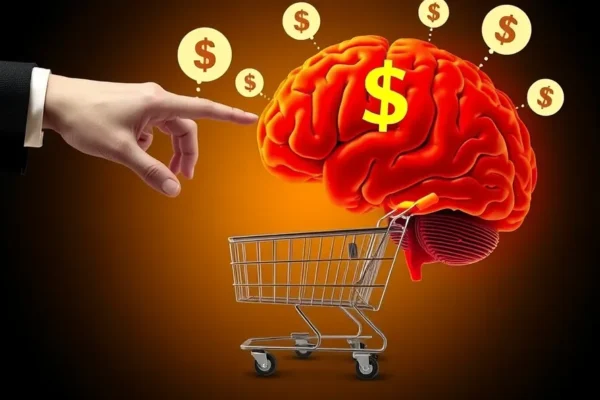
“`html
Why We Click That “Buy Now” Button: Unpacking the Psychology of Spending
Ever found yourself staring at a purchase you just made, wondering “Why did I do that?” You’re not alone. The world of shopping, especially online, is a fascinating playground for our minds. Understanding the psychology of spending isn’t just for marketers; it’s a key to understanding ourselves and how we navigate our finances. It’s about the hidden forces that drive our decisions, from a tiny impulse buy to a major life investment.
The Modern Hunt for Answers: Why Are We Talking About Spending Psychology Now?
In today’s digital age, where shopping is just a click away and personalized ads follow us everywhere, it’s no surprise that more and more people are curious about the psychology of spending. We’re bombarded with options, tempted by deals, and influenced by social trends. This constant exposure makes us pause and think about our own habits. We want to know why we’re drawn to certain products, how our emotions play a role, and whether we’re truly in control of our financial psychology. It’s a quest for clarity in a world designed to make us spend.
A Peek Behind the Counter: The Roots of Our Spending Habits
The foundations of our spending habits are laid long before we even make our first purchase. Think about your childhood. What did you see around you? How were finances discussed, or not discussed, in your home? These early experiences shape our money mindset, the deeply ingrained beliefs and attitudes we hold about money. For some, it might be a scarcity mindset, where every purchase feels like a risk. For others, it could be a more relaxed approach, perhaps learned from parents who were more open with spending.
Beyond family influences, our culture plays a huge part. Advertising has always been about tapping into desires, but now it’s smarter and more pervasive. It links products to happiness, success, and belonging. This constant messaging has trained us to associate certain purchases with fulfilling emotional needs. We learn that buying can be a form of self expression, a way to feel good, or even a coping mechanism.
Behavioral economics has also shed light on this. It explains that we’re not always rational decision makers. We’re prone to biases, like the fear of missing out (FOMO) or the sunk cost fallacy, where we keep investing time or money into something because we’ve already put so much into it. These psychological shortcuts influence our consumer behavior more than we might realize.
More Than Just Transactions: What This Means for Us and the Market
Understanding the psychology of spending has real world implications for everyone. For us as individuals, it’s empowering. When you recognize that an impulse buy is often driven by an emotional trigger rather than a genuine need, you gain the power to pause and make a more conscious choice. It helps us build a healthier money mindset, where spending aligns with our values and goals, rather than being dictated by external pressures or fleeting emotions. It’s about moving from emotional spending to mindful spending.
For businesses, this knowledge is crucial for survival and growth. Companies that understand the emotional spending triggers of their target audience can create more effective marketing campaigns and product designs. They can appeal to our desires for status, security, or joy. This often leads to the development of loyalty programs and personalized experiences, all designed to keep us engaged and spending. The technology behind this is constantly evolving, with AI and data analytics providing deeper insights into consumer behavior than ever before.
From a broader market perspective, the psychology of spending influences economic trends. When consumer confidence is high, people are more likely to spend, fueling economic growth. Conversely, during uncertain times, a more cautious money mindset can lead to reduced spending, impacting businesses and employment. This interplay between individual psychology and market dynamics is a constant dance.
The Road Ahead: Where Our Spending Psychology Might Lead Us
Looking forward, the psychology of spending is likely to become even more nuanced, especially with the continued integration of technology. We can expect more sophisticated personalization, where algorithms not only suggest products but also try to predict our moods and spending readiness. This could lead to even more seamless and perhaps more tempting shopping experiences.
There’s also a growing countermovement. As people become more aware of the psychological tactics used in marketing, there’s an increasing demand for transparency and ethical practices. We might see a rise in brands that focus on genuine value and building lasting relationships rather than purely transactional ones. Financial psychology education is also likely to gain more traction, empowering individuals to develop stronger financial literacy and a more resilient money mindset.
The interplay between our inner world and our outward spending will continue to be a fascinating area of study. As technology advances, so too will our understanding of the subtle ways it shapes our consumer behavior and personal finance psychology. The goal will be to harness this knowledge for greater well-being, both for individuals and for society.
Frequently Asked Questions About the Psychology of Spending
What is the core of the psychology of spending?
The core of the psychology of spending is understanding the mental and emotional factors that influence why, what, and how much we buy. It explores the connection between our thoughts, feelings, and our actual purchasing decisions, delving into our money mindset and consumer behavior.
How does emotional spending differ from rational spending?
Emotional spending is driven by feelings like happiness, sadness, stress, or a desire for comfort or reward, often leading to impulse buying. Rational spending, on the other hand, is based on logical assessment of needs, value, and budget. Financial psychology helps us identify when we’re engaging in emotional spending versus a more reasoned approach.
What is a “money mindset” and how does it affect spending habits?
A money mindset refers to our deeply held beliefs and attitudes about money. A positive money mindset can lead to more intentional spending and saving, aligning with personal finance psychology, while a negative or scarcity mindset might cause anxiety around spending or lead to impulse buys out of a desire to feel secure.
Can behavioral economics explain why we engage in impulse buying?
Yes, behavioral economics offers many explanations for impulse buying. Concepts like the availability heuristic, where we focus on immediate gratification, or loss aversion, the fear of missing out on a deal, all contribute to understanding why our consumer behavior sometimes overrides rational decision making.
How can understanding the psychology of spending improve my personal finance?
By understanding the psychology of spending, you can become more aware of your own triggers for impulse buying and emotional spending. This self-awareness allows you to pause, evaluate your needs versus wants, and make more conscious decisions, ultimately leading to a healthier money mindset and better management of your personal finance psychology.
“`











