

Big Changes at Tyson Foods Amidst a Tough Time for Beef
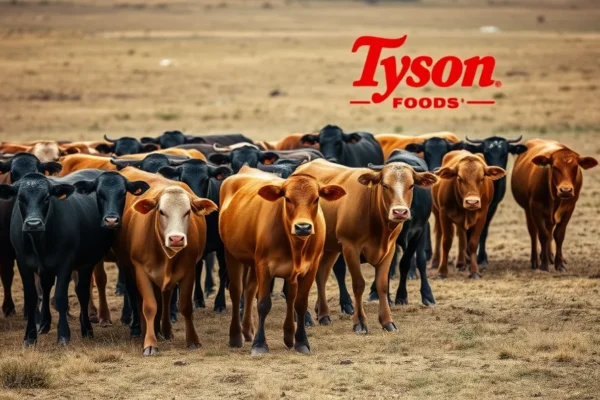
Okay, so you might have heard some news about Tyson Foods, a giant in the food industry, making some significant moves. They’re closing down two of their beef plants and looking to sell a third one. This isn’t a small decision, and it’s directly tied to a really serious challenge they’re facing: a major shortage of cattle. This is a big deal for their beef production and definitely highlights some major disruptions happening in the supply chain.
Why Everyone’s Talking About Tyson Foods and the Cattle Shortage Now
This news is trending because it’s a clear signal that the problems in the agricultural world are hitting some of the biggest players. When a company like Tyson Foods, which processes so much of our meat, has to shut down facilities, it means the issues are more than just a blip. People are searching for this because it affects what we see on grocery shelves, the jobs of many people, and the overall health of the livestock market. It’s a ripple effect that touches everyone, from farmers to consumers. The agricultural crisis is no longer a distant problem; it’s in our headlines and impacting major businesses.
Understanding What Led to This Moment
To really get why Tyson Foods is making these tough calls, we need to look back a bit. The beef production business is incredibly complex. Farmers raise cattle, and it takes time and resources. For a while now, there have been fewer cattle entering the market. This isn’t just one thing; it’s a mix of factors. We’ve seen things like drought impacting grazing lands in key cattle-raising areas. That means less food for the animals, which can lead to farmers having to reduce their herds or hold onto them longer. On top of that, the cost of feed has gone up significantly. Think about it, if it costs more to grow the food that feeds the cattle, it becomes more expensive to raise them. This economic pressure on farmers can make it harder to maintain the kind of supply Tyson Foods needs for its massive operations. The whole livestock market has been under strain, and this agricultural crisis has been building for some time, affecting beef production across the board.
The Wider Ripples: What This Means for All of Us
So, what’s the big deal about these plant closures and the sale of another facility? It’s about more than just Tyson Foods. First off, there’s the immediate economic impact. When a meat processing plant closes, people lose their jobs. These are often good paying jobs, and their loss can really hurt local communities. Then there’s the impact on the supply chain disruption. With fewer places to process cattle, the whole system gets backed up. This can lead to less beef being available, which, in turn, can affect prices for consumers. You might start seeing fewer choices or higher prices for beef at your local grocery store. This isn’t just about Tyson Foods; it’s about the broader food industry and how fragile these complex systems can be. The agricultural crisis is a stark reminder of how interconnected everything is, from the farm to our dinner plates. It also puts a spotlight on the technology and methods used in meat processing and how they need to adapt to changing realities.
Looking Ahead: What Might Happen Next
Predicting the future is always tricky, especially in something as dynamic as the livestock market and the food industry. But we can look at some logical possibilities following Tyson Foods’ announcement. For Tyson Foods, the focus will likely be on consolidating their beef production into fewer, more efficient plants. This could mean investing more in those remaining facilities to make them as productive as possible. For the farmers, the pressure from the cattle shortage might continue. They’ll need to find ways to navigate the rising costs and hopefully see improvements in grazing conditions and feed availability to rebuild their herds. We might also see a continued focus on diversifying supply chains within the food industry to build more resilience against future disruptions. This could involve exploring new sourcing regions or even looking at different types of protein production. The economic impact will likely be felt for some time, and efforts to stabilize the agricultural crisis will be ongoing. Ultimately, the goal will be to get the beef production back on a steady footing and ensure a more reliable supply chain.
Frequently Asked Questions About Tyson Foods and the Cattle Shortage
What is the main reason for Tyson Foods’ plant closures?
The primary reason behind Tyson Foods’ decision to close two beef plants and sell a third is a significant cattle shortage. This means there aren’t enough cattle available to keep those facilities running at full capacity, impacting their overall beef production.
How does the cattle shortage affect beef production?
A cattle shortage directly reduces the supply of animals available for processing. This makes it harder for meat processing companies like Tyson Foods to maintain consistent operations, leading to plant closures and affecting the volume of beef brought to market.
What are the broader implications of this supply chain disruption for the food industry?
This supply chain disruption highlights the vulnerability of the food industry to agricultural crises. It can lead to price fluctuations for consumers, affect the livelihoods of those employed in meat processing, and prompt a re-evaluation of how resilient supply chains are built to withstand such challenges.
How is the agricultural crisis contributing to Tyson Foods’ challenges?
The ongoing agricultural crisis, marked by factors like drought and increased feed costs, is a major contributor. These issues make it more difficult and expensive for farmers to raise cattle, thus reducing the supply that Tyson Foods relies on for its beef production, leading to the current operational adjustments.
What does the livestock market situation mean for consumers interested in beef?
For consumers, the cattle shortage and its impact on companies like Tyson Foods can mean less availability of certain beef products and potentially higher prices. This situation is a clear demonstration of the economic impact that agricultural challenges can have on the everyday availability and cost of food.











