

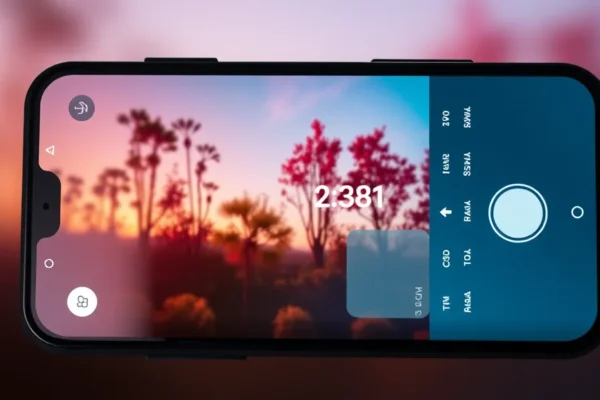
A New Way to Capture Life Through the Pixel 11 Lens
Google has officially pulled back the curtain on its latest innovation for the upcoming Pixel 11, and it is catching everyone by surprise. The feature is called Camera Looks, and it represents a massive shift in how our phones handle the light hitting their sensors. Rather than just relying on software filters applied after you tap the shutter button, this new tool gets to work the second photons strike the hardware.
Most smartphone photography today feels a bit heavy handed with digital processing. We have all seen those shots where the HDR looks almost metallic or the colors feel unnaturally pushed. Camera Looks moves away from that by using something called sensor-level processing. By intercepting the data at the source, the phone is able to bake in specific aesthetic profiles before the image is even fully rendered by the processor. It is not just a layer on top of your photo. It is essentially building the photograph with a specific artistic intent from the ground up.
Why Everyone Is Talking About These New Camera Looks
You might have noticed a sudden spike in search traffic surrounding the Pixel 11 and its new camera capabilities. That is because the photography community is craving something that feels less like a computer-generated image and more like a deliberate creative choice. People are tired of the generic, hyper-processed look that almost every modern smartphone defaults to.
The standout star of this announcement is the Digi style. It is designed to mimic the specific character of early 2000s digital cameras. You know that specific charm—the slight softness, the unique way it handles highlight roll-off, and those subtle color shifts that feel nostalgic rather than clinical. By giving users a way to bake this Digi aesthetic into their raw captures, Google is leaning into the growing trend of digital retro photography. It turns the phone into a tool for expression rather than just a document scanner for your daily life.
The Evolution of Smartphone Photography
To understand why this is a big deal, we have to look at where we came from. For years, Google Pixel devices set the gold standard for computational photography. They taught us that you could take a mediocre sensor and, with the right algorithms, turn it into a powerhouse that could beat expensive dedicated cameras in low light. That was the era of the HDR plus revolution. It was all about clarity, sharpness, and getting the perfect exposure in every single scenario.
But there was a downside to that quest for perfection. Every photo started to look the same. As the processing grew more advanced, the soul of the image sometimes got lost in the shuffle. Google realized that consumers were moving past the point where they just wanted a technically perfect photo. Now, users want a photo that feels like a mood. The Pixel 11 is effectively an admission that we have peaked in terms of technical sharpness, and now it is time to focus on style and texture.
What This Means for the Future of Your Photos
This shift to sensor-level processing changes the game for everyday users and content creators alike. If you are someone who spends a lot of time editing photos in apps like Lightroom or VSCO just to get that perfect film or vintage digital look, this feature is going to save you massive amounts of time. You will be able to capture that specific vibe in real time. It changes the way you approach your subject because you are seeing the final aesthetic on your screen before you even take the shot.
From a technology standpoint, this exclusivity is a bold move. Because this feature relies on the specific hardware architecture of the new sensor inside the Pixel 11, it cannot simply be ported over to older Google Pixel models via a software update. This creates a clear value proposition for people considering an upgrade. It is not just about a faster chip or more storage. It is about accessing a new medium of photography that older devices physically cannot produce at the sensor level.
Businesses that rely on mobile imagery for social media will likely embrace this. Brands are always looking for ways to make their content feel more authentic and less like it was shot on a generic smartphone. Having a built-in Digi style that feels distinct and intentional gives creators a unique visual identity that is hard to replicate with standard filters.
Looking Ahead at the Pixel Ecosystem
Where does Google go from here? It is logical to assume that Camera Looks is just the beginning of a broader platform. We can expect future versions of these features to include more styles that mimic different eras of film and digital sensors. The goal is clearly to make the phone a more versatile creative tool. As the processing power inside these devices continues to grow, we might see even more complex styles that can be customized or even shared within the user community.
We are entering an era where the hardware is finally catching up to the artistic ambitions of the software. Instead of fighting against the software, the sensors in our pockets are becoming collaborators. The Pixel 11 will likely set a new trend where other manufacturers have to decide if they want to follow this path of sensor-level styling or stick to the traditional, heavy handed digital post-processing that has defined the last decade of smartphones.
Frequently Asked Questions
What is the primary benefit of the new Camera Looks feature on the Pixel 11?
The primary benefit is the ability to apply distinct artistic styles, like the Digi look, at the sensor level. This results in more natural, intentional photography that avoids the hyper-processed, generic look common in many modern smartphone images.
Is the new camera feature available on older Google Pixel phones?
No, this is an exclusive feature for the Pixel 11. It requires specific hardware and sensor-level processing capabilities that are not present in older Google Pixel models, meaning it cannot be added through a standard software update.
How does the Digi style differ from standard smartphone filters?
Standard filters are usually applied as a digital overlay after a photo is captured. The Digi style uses sensor-level processing, which means the aesthetic characteristics are baked into the image data as it is being captured, creating a more authentic and high-quality result.
Why is sensor-level processing better for smartphone photography?
Sensor-level processing allows the device to manage light and data in a way that prioritizes the intended aesthetic before the software takes over. This reduces the need for heavy digital manipulation later, leading to cleaner images with more character and depth.
Can I expect more styles to be added to my Pixel 11 over time?
While Google has not released a long-term roadmap, the introduction of Camera Looks suggests a shift toward more creative control. It is very likely that the company will expand the library of available looks to keep the Pixel 11 competitive and engaging for creative users.











