

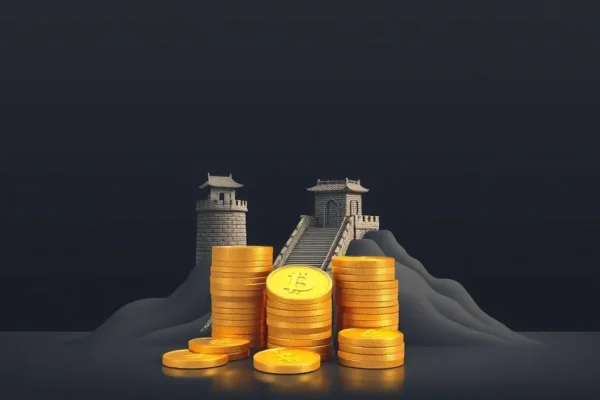
What is Private Equity and Why is China Investment Changing?
Let’s start with the basics: private equity. Imagine a group of wealthy investors, like a club, pooling their money together. This club then looks for private companies – ones not listed on the stock market, so you can’t buy their shares easily – that they think are undervalued or could be improved. They buy a significant stake, often the whole company, work to make it more profitable (perhaps by improving management or cutting costs), and then sell it later for a profit. Think of it like buying a fixer-upper house, renovating it, and then selling it for more than you spent. These investment clubs are called private equity firms.
For a long time, China was a prime location for these private equity firms to invest. It was seen as a fast-growing market with many promising companies. However, recently, many global private equity firms have paused or significantly reduced their new investments in China. This shift is a big deal, not just for the firms and China, but for the global economy and international capital flows – the movement of money across borders for investment.
Understanding this change is important because it signals shifts in global economics and where smart money is choosing to go. It can affect job creation, the growth of businesses, and even the prices of goods and services we all encounter. It’s like noticing that a popular travel destination has suddenly become less accessible; it makes you wonder why and what that means for future travel plans.
How Private Equity Invests and Why China Was a Target
Private equity firms typically follow a structured approach. First, they raise money from large investors, such as pension funds, university endowments, and wealthy individuals. This pool of money is their “war chest.” Then, they identify target companies, conduct thorough due diligence (a deep dive into the company’s finances and operations), negotiate terms, and make an investment. The goal is usually to hold the investment for several years (often 3-7 years) before selling it, either to another company, another private equity firm, or by taking the company public through an initial public offering (IPO).
China was a major attraction for private equity for decades because its economy was expanding rapidly. Imagine a garden where new, fast-growing plants are constantly appearing. Private equity firms saw opportunities to invest in innovative technology companies, expanding consumer goods businesses, and essential infrastructure projects. For instance, a firm might invest in a Chinese e-commerce company, helping it scale up its operations, and then, a few years later, sell its stake for a substantial profit as the company became a market leader. This willingness to put money into emerging markets like China offered potentially higher returns than more mature markets.
The process involves a lot of negotiation and specialized financial expertise. When a private equity firm decides to invest, it’s a significant cross-border deal, involving complex legal and financial arrangements. They are essentially betting on the future growth and profitability of a company in a foreign country.
Why the Change in China Investment Matters
The recent slowdown in new private equity investment in China has significant implications. For the private equity firms themselves, it means they need to find alternative markets for their capital, potentially shifting focus to other emerging markets or established economies. This can lead to lower potential returns if those markets don’t offer the same growth prospects.
For China, it means less access to foreign capital that can fuel business growth, innovation, and job creation. Companies that might have received a boost from private equity funding may have to scale back their ambitions or seek alternative, perhaps more domestic, sources of finance. This can also impact the overall financial outlook for the country’s private sector.
On a global scale, this reduction in cross-border deals involving China can influence international capital flows. It suggests a reassessment of risk and reward by major financial players. While some firms might be adopting a “wait and see” approach, others are actively reallocating their investments elsewhere. This can create opportunities in other emerging markets but also raises questions about global economic interconnectedness and potential decoupling. It’s like a major shipping route facing disruptions; it forces trade and movement to reroute, potentially impacting efficiency and cost for everyone involved.
The Roots of the Shift Beijing’s Regulatory Scrutiny and Geopolitical Risks
The current slowdown is not a sudden event but rather a response to evolving conditions. For years, China’s economic growth attracted immense foreign investment. However, in recent years, Beijing has increased its regulatory scrutiny over various sectors, including technology, education, and real estate. These new Beijing regulations, often implemented quickly and sometimes with limited prior consultation, created uncertainty for investors. Imagine investing in a popular game, only to have the rules of the game drastically changed mid-play without warning.
For example, sweeping regulations targeting the technology sector, including anti-monopoly rules and data privacy measures, significantly impacted the valuations of many Chinese tech companies that private equity firms had invested in. This intensified investment scrutiny made it harder to predict future profitability and increased the risk of investments becoming less valuable.
Adding to these domestic concerns are growing geopolitical risks. Tensions between China and Western countries have risen over trade, technology, human rights, and international policy. This has created an environment where cross-border deals are viewed with increased caution due to potential sanctions, export controls, or other political interventions. The ongoing trade friction and concerns about supply chain security have made many international investors more hesitant. This complex interplay of regulatory changes and geopolitical risk has made the investment landscape in China more challenging and less predictable.
Thinking About the Future of Private Equity and China Investment
For individuals thinking about their own financial futures, this trend highlights the importance of diversification and understanding global economic shifts. While direct private equity investment is typically for institutional or very wealthy investors, the decisions made by these large firms can indirectly affect broader market performance and investment opportunities. Understanding these major shifts can help you appreciate why certain markets might be seen as more or less attractive for investment over time.
A common misconception might be that private equity is a monolithic entity. In reality, different firms have different strategies and risk appetites. Some may continue to invest in China, focusing on specific sectors or using different investment structures. However, the general trend indicates a more cautious approach from a significant portion of the global private equity community.
When you see news about private equity and China investment, it’s important to look beyond the headlines. Consider the underlying reasons: are these regulatory changes or geopolitical concerns driving the decision? How might this affect international capital flows and the growth of emerging markets? Understanding these dynamics helps in forming a more nuanced view of the global investment landscape.
Connecting Private Equity and China Investment to Broader Economic Concepts
The changes in private equity investment in China are closely linked to broader economic concepts. For instance, the increased regulatory scrutiny can be seen as part of a country’s evolving economic policy, balancing rapid growth with social and political objectives. This relates to discussions about state intervention in markets versus free-market principles. Furthermore, the impact on international capital flows connects to theories of globalization and de-globalization, as businesses and investors reassess where and how they deploy their resources.
The concept of risk premium also comes into play. Investors demand a higher potential return for taking on greater risk. When regulatory and geopolitical risks in China increase, the perceived risk premium required by private equity firms also rises, making new investments less appealing unless the potential rewards are exceptionally high. Understanding how risk affects investment decisions is crucial for grasping these market dynamics. Also, understanding how changes in one major economy can ripple through emerging markets and global trade is a key aspect of macroeconomics.
Common Questions About Private Equity, China Investment, and Global Capital
Why have private equity firms reduced new China investment?
Global private equity firms have reduced new China investment primarily due to Beijing’s increased regulatory scrutiny across various sectors and heightened geopolitical risks between China and Western nations. These factors create greater uncertainty and potential risks for investors.
How do Beijing regulations affect foreign capital?
Beijing regulations, when they become more stringent or unpredictable, can make foreign investors wary. This increased investment scrutiny can lead to a decrease in the flow of foreign capital as firms seek more stable and predictable operating environments.
What does it mean for capital flows if private equity firms pull back from China?
A pullback by private equity firms means less foreign capital entering China, potentially slowing down the growth of some domestic companies and shifting international capital flows towards other emerging markets or developed economies perceived as less risky.
What are the geopolitical risks impacting private equity deals?
Geopolitical risks include trade disputes, sanctions, technology export controls, and broader international tensions that can disrupt business operations, affect market access, and increase the risk of unexpected policy changes, making cross-border deals more precarious.
Can individuals invest in private equity like funds?
Direct investment in private equity funds is typically limited to accredited investors and institutions due to high minimum investment requirements and the illiquid nature of these investments. However, individuals can gain exposure through publicly traded investment vehicles that hold private equity assets.
What is the outlook for private equity in emerging markets besides China?
The outlook varies; while some private equity firms are diversifying away from China, they are actively seeking opportunities in other emerging markets such as India, Southeast Asia, or Latin America, though these markets also come with their own unique set of risks and rewards.
This is educational content, not financial advice. Financial situations vary; consult a professional for personal advice.
Understanding the dynamics of private equity and China investment, including regulatory shifts and geopolitical risks, is important for grasping broader trends in global finance. However, this information is for educational purposes only and does not constitute personalized financial advice. Investing involves risks, and financial outcomes depend on individual circumstances, risk tolerance, and market conditions. Always consult with a qualified financial advisor before making any investment decisions.











