

Dreyer’s Grand Ice Cream Initiates Voluntary Recall
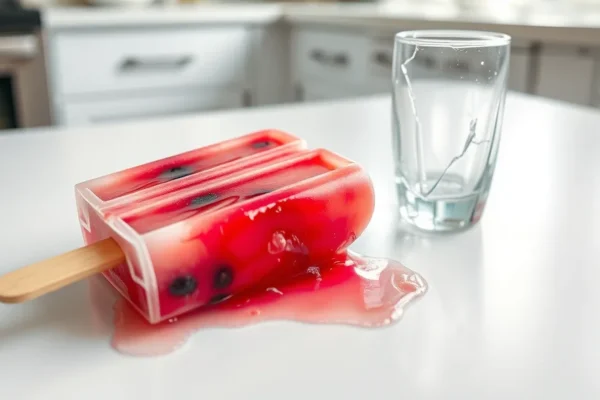
Dreyer’s Grand Ice Cream recently issued a voluntary product recall notice regarding specific batches of its Outshine fruit bars. The action follows the discovery of potential glass contamination within certain frozen fruit bars. This move represents a standard but critical procedure for a major manufacturer to protect consumer safety when internal quality control detects a foreign object in the production line. According to the official company statement, the recall involves limited distribution of its Strawberry variety. The company acted promptly to notify regulatory bodies, including the Food and Drug Administration, to ensure that contaminated food products are removed from retail shelves as quickly as possible.
Strategic Rationale Behind Proactive Recalls
In the food and beverage industry, a voluntary recall is more than a legal necessity; it is a strategic maneuver to preserve brand equity. Brand equity is the value premium that a company generates from a product with a recognizable name compared to a generic equivalent. When Dreyer’s Grand Ice Cream identifies a contamination hazard, the immediate cost of pulling stock is significant, but the long-term cost of lost consumer trust is far greater. By taking initiative, the company aims to demonstrate institutional integrity. This transparency helps mitigate potential litigation and prevents a larger-scale crisis that could permanently damage the Outshine brand, which competes heavily in the premium frozen snack market.
Competitive Context and Market Positioning
The frozen snack aisle is a high-stakes environment where competitors like Unilever and Nestlé constantly vie for shelf space. Outshine fruit bars have carved out a niche by marketing themselves as a healthier alternative to traditional ice cream. This recall puts that positioning to the test. When a brand like Outshine faces a safety scare, competitors often capitalize on the momentary lapse in consumer confidence. However, if Dreyer’s manages the communication effectively, it can signal to retailers that it is a responsible partner. The goal here is to maintain market share by preventing the incident from being perceived as a systemic failure in their manufacturing processes.
Industry Implications for Food Safety Standards
This incident highlights the tightening scrutiny on food safety across the manufacturing sector. As supply chains grow more complex, the risk of contamination increases, forcing companies to invest heavily in automated detection systems. This event will likely accelerate industry-wide adoption of advanced scanning technologies. Peers in the ice cream recall sector are watching closely to see how Dreyer’s handles the logistics of the product recall notice. The industry trend is moving toward radical transparency, where companies preemptively disclose issues to manage public perception before third-party regulators force their hand.
Financial and Operational Impacts
The financial impact of a recall typically manifests in two ways: direct costs and indirect costs. Direct costs include the loss of inventory, the expense of reversing the logistics chain, and the administrative burden of processing refunds. Indirect costs involve marketing spend required to repair brand reputation. While Dreyer’s has not publicly disclosed the exact dollar impact, analysts suggest that for a company of this scale, the primary concern is operational efficiency. If the contamination is isolated to a single production facility, the impact will be short-term. If it suggests a broader structural failure, the long-term profitability of the Outshine line could face downward pressure in upcoming quarterly reports.
Execution Risks and Operational Challenges
Execution risk refers to the possibility that a company will fail to implement its strategy as planned. In the case of the Outshine fruit bars recall, the primary challenge is the “last mile” of the recall: reaching every consumer who has already purchased the product. Most consumers do not check manufacturer websites for safety alerts. Relying on digital notifications is often insufficient, which forces companies to lean on retail partners to pull stock. A failure to execute this effectively leaves the company vulnerable to regulatory fines and negative public sentiment if an incident occurs involving a consumer who was never reached.
Stakeholder Implications and Corporate Trust
Stakeholders include everyone from retail partners to the individual consumer. For retailers, a recall is an operational headache that ties up floor space and requires labor to reconcile stock. For investors, the concern is whether the company’s quality control mechanisms are robust enough to prevent a recurrence. Internally, this likely triggers an audit of the entire production process. The cultural shift within the company must prioritize safety over speed to ensure that the brand remains a trusted staple in the frozen aisle. Transparent communication is the only tool that preserves the relationship with these diverse stakeholders during a period of uncertainty.
Outlook and Steps Toward Recovery
Looking ahead, Dreyer’s must focus on the “re-certification” of its production lines. Once the recall is complete, the company will likely release an updated quality assurance report to reassure stakeholders. Success will be measured by two indicators: the percentage of affected inventory recovered and the stability of brand sentiment scores in the following quarters. If the company handles the refund process with ease—minimizing friction for the consumer—the incident will likely be viewed as a well-managed hurdle rather than a failure. Investors should monitor future earnings calls for mention of quality control capital expenditures.
Key Questions and Answers
What should consumers do if they have these items?
Consumers should check the batch codes on their packaging against the official list provided by Dreyer’s Grand Ice Cream. If the product is part of the affected batch, it should be discarded immediately, and consumers should visit the official website to follow the instructions for obtaining a refund.
Why is a recall necessary for glass contamination?
Glass contamination presents a severe physical hazard that can lead to injury. A product recall notice is the standard industry response to remove contaminated food products from the supply chain and protect consumer safety.
How does this impact the future of the Outshine brand?
The long-term health of the brand depends on how effectively the company manages the logistics of the current Outshine fruit bars recall. While a single incident rarely kills a brand, a delayed or mishandled response can lead to a significant decline in market positioning.
Are other ice cream products affected by this safety issue?
According to current company announcements, the scope of this food safety recall is limited to specific production lots of Outshine fruit bars. Dreyer’s has not indicated that its broader ice cream portfolio is affected by the contamination.
Is the financial outlook for the company changing?
While the cost of the recall will impact short-term operational expenses, it does not necessarily signal a change in the company’s long-term financial health. Analysts generally view these events as manageable risks provided the company demonstrates a commitment to transparency and process improvement.
Note: Business outcomes and corporate strategic success are always subject to execution risk. Market conditions, regulatory shifts, and consumer sentiment are volatile, and past performance or proactive crisis management does not guarantee future results or financial stability.











