

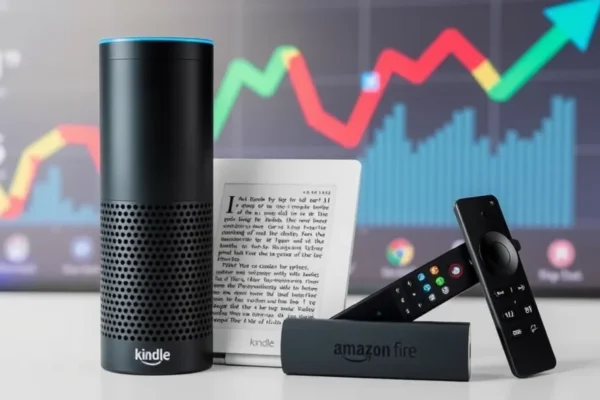
Amazon’s Price Reshuffle for Echo, Fire TV, and Kindle Devices
Amazon, a giant in the e-commerce and cloud computing world, has recently implemented significant price increases across a range of its popular consumer electronics. Customers may have noticed a substantial jump in the cost of devices like the Echo smart speaker, Fire TV streaming devices, and Kindle e-readers. This adjustment, reportedly reaching up to 60% for some products, signals a shift in Amazon’s strategy for its hardware division, impacting the affordability of its ecosystem of smart home and entertainment products. The announcement has naturally led to discussions about the reasons behind these hikes and what they mean for consumers and the broader tech industry.
Understanding the Driving Forces Behind the Amazon Price Increase
The primary catalyst for this Amazon price increase appears to be a confluence of factors impacting the global supply chain and manufacturing costs. While Amazon hasn’t provided granular details for each specific device, broader trends in the consumer electronics industry offer significant clues. A key element is the rising cost of components. Think of these devices like intricate Lego sets; each piece, from the tiny microprocessors to the memory chips, has a manufacturing cost. Recent global shortages and increased demand for these essential parts, particularly memory component costs and storage component costs, have driven up the price of materials needed to build devices like the Echo Dot, Fire TV Stick 4K Max, and even the humble Kindle.
Beyond component costs, increased shipping and logistics expenses also play a role. Moving raw materials to factories and finished products to consumers has become more expensive due to fluctuating fuel prices and supply chain disruptions. Furthermore, ongoing research and development efforts to enhance Amazon devices & services and integrate new features also contribute to the overall cost of bringing these products to market. This isn’t simply a matter of Amazon deciding to charge more; it reflects a complex interplay of global economic forces affecting virtually every company in the consumer electronics industry.
How These Devices Work: A Peek Inside
To understand the impact of these price shifts, it’s helpful to briefly consider what these devices do. Take the Echo smart speaker, for example. At its core, an Echo device is a sophisticated microphone array connected to a processor and a speaker, all linked to Amazon’s cloud-based artificial intelligence, Alexa. When you ask, “Alexa, what’s the weather?” your voice is captured, sent to the cloud for processing (like a very fast translator and information retriever), and then the answer is sent back to your device to be spoken. The processor inside handles the immediate tasks, while the microphones ensure Alexa can hear you clearly, even in a noisy room.
Similarly, a Fire TV Stick is essentially a miniature computer designed to connect to your television. It houses a processor, memory, and storage to run apps like Netflix or Prime Video, stream content over your internet connection, and display it on your TV screen. The Fire TV Stick 4K Max, for instance, includes more powerful processors and better wireless capabilities to handle higher quality video streams and faster app loading times. The Kindle, on the other hand, is optimized for displaying text. It uses a special type of screen, often E Ink, that mimics the look of paper and consumes very little power, making it ideal for reading for extended periods without eye strain. The price increases reflect the cost of the internal “brains” and components within these devices, all working together to deliver their specific functions.
Where Amazon Devices Are Now and Their Real-World Impact
Amazon’s devices are deeply integrated into millions of households worldwide. The Echo line, including popular models like the Echo Dot, has become a staple in the smart speaker market, used for everything from playing music and setting timers to controlling smart home gadgets like lights and thermostats. Fire TV devices, including the Fire TV Stick 4K Max, are major players in the streaming device market, offering an affordable way to access a vast library of on-demand content and live TV. The Kindle, a pioneer in e-reading, continues to be a beloved device for book enthusiasts, offering a portable library with a comfortable reading experience.
These devices are not just standalone gadgets; they form an ecosystem. For example, a user might control their smart lights with an Echo Dot, watch movies on their Fire TV Stick, and read an e-book on their Kindle, all managed through their Amazon account. Amazon’s devices and services aim to create a seamless experience that keeps users engaged with the Amazon platform. The recent price adjustments mean that entering or expanding this ecosystem will now involve a higher upfront investment for consumers. Availability is widespread, with these devices readily accessible through Amazon’s own retail channels and many other major electronics retailers globally.
Navigating the Competitive Landscape of Smart Devices
Amazon is not alone in the smart speaker, streaming device, and e-reader markets. In the smart speaker space, Google’s Nest devices, powered by Google Assistant, offer a direct competitor with similar functionalities. Apple’s HomePod also competes, though it typically sits at a higher price point and is more integrated with the Apple ecosystem. For streaming devices, Roku and Google’s Chromecast are significant rivals, each offering their own user interfaces and content partnerships. The e-reader market, while dominated by Kindle, also sees competition from Kobo and other brands, though Kindle remains the most recognized name.
The recent Amazon price increase could potentially shift the competitive balance. If Amazon’s devices become significantly more expensive than comparable offerings from Google or Roku, consumers may be more inclined to explore alternatives. However, Amazon benefits from a strong brand presence, a vast existing customer base, and its deeply integrated ecosystem of services, including Prime Video, Amazon Music, and Audible, which are often seamlessly accessible on its devices. The eero line of mesh Wi-Fi systems from Amazon also competes in a growing smart home networking space, facing rivals like Google Wifi and systems from traditional networking companies like Netgear and TP-Link. Amazon’s advantage often lies in the sheer convenience and interconnectedness of its offerings.
Broader Implications of the Amazon Device Price Hikes
The Amazon price increase on its core devices has several implications for consumers and the broader tech landscape. For consumers, it means a higher barrier to entry for those looking to adopt smart home technology or access streaming services through Amazon’s hardware. This could disproportionately affect budget-conscious shoppers who have historically been drawn to Amazon’s value proposition. It might also encourage consumers to more carefully weigh the benefits of Amazon’s ecosystem against the costs, potentially leading to greater consideration of competitor devices that offer similar features at a lower price.
Economically, this move could signal a maturing of the smart device market, where companies are less reliant on aggressive pricing to gain market share and are shifting towards reflecting actual production and development costs. It could also impact the broader consumer electronics industry by setting a precedent for price adjustments in response to component cost fluctuations. Socially, while these devices offer convenience and access to information and entertainment, the increased cost could slow adoption rates, particularly in developing markets, potentially widening the digital divide. In the short term, consumers will feel the pinch at the point of purchase. In the long term, it may lead to a more diversified market with a wider range of pricing options.
Navigating the Limitations and Challenges Ahead
Despite the widespread adoption and convenience offered by Amazon’s devices, they are not without limitations and challenges. One persistent concern for smart speaker users is privacy. While Amazon states it only records audio after a wake word is detected, the idea of a microphone always listening, even if passively, raises privacy anxieties for some users. For Fire TV devices, the interface can sometimes feel cluttered with advertisements and recommendations, which some users find intrusive. The Kindle, while excellent for reading, is not a full-fledged tablet and lacks the versatility of devices like iPads or Android tablets for other tasks.
Technically, the reliance on cloud services means that the functionality of devices like Echo and Fire TV is dependent on a stable internet connection and Amazon’s cloud infrastructure. Outages or internet disruptions can render these devices significantly less useful. Furthermore, the ongoing challenge of component shortages can lead to stock issues and unpredictable availability, as seen across the consumer electronics industry. For Amazon, a key adoption barrier remains convincing a skeptical public about data privacy, and continually innovating to justify higher price points against increasingly capable competitors.
The Future Trajectory of Amazon’s Device Strategy
Looking ahead, Amazon’s device strategy will likely continue to evolve. The recent price increases suggest a potential shift towards a more premium positioning for some of its hardware, reflecting the advanced technology and features it offers. We can expect continued innovation in AI capabilities for the Echo line, with Alexa becoming even more conversational and capable of handling more complex tasks. For Fire TV, the focus will likely be on delivering higher-fidelity streaming experiences, potentially with more advanced HDR formats and faster refresh rates, alongside deeper integration with Amazon’s growing content library.
The Kindle will likely see incremental improvements, perhaps with enhanced screen technology for even better readability or new features for note-taking and annotation, while remaining focused on the core reading experience. Amazon is also investing heavily in other areas, such as smart home security with its Ring products and advanced networking with eero. The company’s roadmap will undoubtedly involve tighter integration between these various device categories, aiming to create a more comprehensive and indispensable smart ecosystem for its customers.
Key Questions and Answers About the Amazon Price Increase
What exactly has seen an amazon price increase?
Amazon has increased prices on several of its popular devices, including various Echo smart speaker models, Fire TV streaming devices like the Fire TV Stick 4K Max, and Kindle e-readers. The exact percentage varies by product, with some experiencing significant hikes.
Why is there an amazon price increase for these devices?
The primary reasons are rising global component costs, particularly for memory and storage components, increased shipping and logistics expenses, and the ongoing investment in research and development for Amazon devices & services.
How does this affect the affordability of an echo dot or fire tv stick 4k max?
These popular devices, especially the Echo Dot and Fire TV Stick 4K Max, which have historically been more budget-friendly, will now represent a larger upfront investment for consumers. This could influence purchasing decisions.
Will this make Amazon devices less competitive against rivals like Google or Roku?
It could, as consumers may now more closely compare pricing with competitors like Google’s Nest devices and Roku streaming sticks. However, Amazon’s integrated ecosystem and brand loyalty remain significant advantages.
When can consumers expect to see these new prices?
The Amazon price increase has already been implemented, and consumers will see these updated prices when purchasing devices through Amazon and other retailers.
What are the long-term implications of these tech price hikes?
These hikes may signal a maturing of the consumer electronics market, with companies reflecting actual production costs. It could also lead to greater consumer scrutiny of device value and potentially influence market share dynamics over time.
This article provides an overview based on available information and industry trends. Specific pricing details and future product roadmaps are subject to change by Amazon. The consumer electronics industry is dynamic, and factors like component availability and market demand can influence pricing and product development.











