

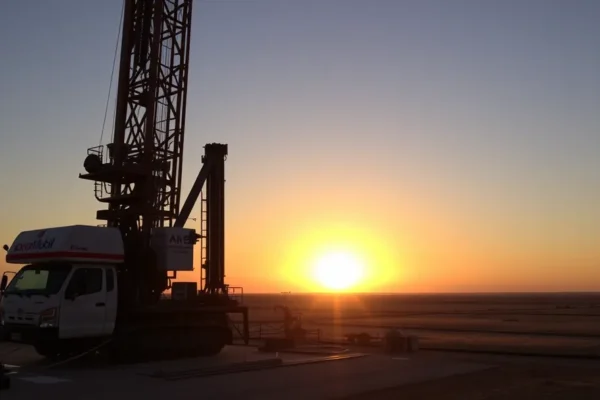
Exxon’s Automated Drilling in the Permian Basin: A Strategic Shift in Oil Output
Exxon Mobil Corporation (XOM) has been making significant strides in its Permian Basin operations, notably through the strategic adoption of advanced automated drilling technology. This development is not just an incremental improvement; it represents a fundamental shift in how the energy giant approaches upstream operations, aiming to unlock greater efficiency and boost oil production in one of North America’s most prolific shale plays. The integration of robotics and digital oilfield capabilities is central to Exxon’s strategy to optimize its Permian oil output, leveraging cutting-edge drilling technology to enhance energy efficiency and drive production volumes.
The Catalyst for Increased Automation
The heightened focus on Exxon automated drilling in the Permian Basin is driven by several interconnected factors. The ongoing global demand for energy, coupled with volatile commodity prices, necessitates operational efficiency and cost control for major oil producers like ExxonMobil. Reports from industry analysts and company statements in recent earnings calls have consistently highlighted the imperative for shale producers to innovate and reduce lifting costs to maintain profitability and competitiveness. Exxon’s investment in automation is a direct response to this market reality, aiming to streamline the entire drilling process, from site preparation to well completion. This technological push is not a new phenomenon for the oil and gas industry, but Exxon’s scale of deployment and its strategic integration across its Permian acreage signal a more aggressive adoption curve. For instance, in its 2023 investor day presentation, Exxon outlined significant capital allocation towards growth projects, with a strong emphasis on efficiency gains through technological advancements in key basins like the Permian.
Financial Performance and Operational Context
ExxonMobil, as one of the world’s largest integrated energy companies, operates with substantial financial resources, allowing for significant investments in research and development and the deployment of new technologies. In its most recent quarterly earnings report (e.g., Q4 2023 earnings, reported January 2024), ExxonMobil highlighted strong cash flow generation, providing the financial wherewithal to fund these capital-intensive projects. The company’s revenue and net income figures consistently place it among the top performers in the oil and gas sector, demonstrating its resilience and ability to navigate market fluctuations. Specifically, the Permian Basin is a cornerstone of Exxon’s upstream portfolio. The company reported substantial oil production volumes from this region, underscoring its strategic importance. For example, according to ExxonMobil’s 2023 operational review, its Permian production averaged over 600,000 oil-equivalent barrels per day, a figure expected to grow with enhanced operational capabilities.
The adoption of automated drilling technology is particularly impactful in shale drilling, a process characterized by its repetitive nature and the need for precision. Traditional drilling methods can be labor-intensive and susceptible to variations in human execution. Automated systems, however, can perform repetitive tasks with greater consistency and speed, potentially reducing downtime and improving the overall quality of the wellbore. This translates directly into more predictable and efficient production. When compared to historical drilling performance, the projected gains in drilling speed and reduced non-productive time (NPT) associated with automation are significant. While specific figures for Exxon’s automated drilling efficiency gains are often proprietary, industry benchmarks suggest that automation can reduce drilling days per well by 10-20% or more, directly impacting the cost per barrel.
Analysis of Strategic Impact
The strategic impact of Exxon’s automated drilling initiatives on its Permian oil output is multifaceted. Primarily, it addresses the fundamental challenge of shale drilling: achieving high production volumes efficiently and cost-effectively. By automating tasks such as rig positioning, pipe handling, and drilling parameter adjustments, Exxon aims to significantly reduce the time and cost associated with bringing new wells online. This increase in operational efficiency directly translates to higher output potential from its Permian acreage. The deployment of these technologies signals a move towards a more “digital oilfield,” where data analytics and remote monitoring play a crucial role in optimizing upstream operations. This integration of robotics and digital systems enhances energy efficiency by minimizing waste and optimizing resource utilization. For investors, this signals a company proactively investing in technologies that promise higher returns and more sustainable production profiles. Key metrics to watch include the pace of automation adoption across Exxon’s Permian wells, reported reductions in drilling cycle times, and the impact on the company’s per-barrel production costs in the region. Market sentiment surrounding such technological advancements can also influence investor perception, signaling a company that is forward-thinking and investing in long-term operational advantages. While past performance is not indicative of future results, the ongoing trend of technological adoption in the oil and gas industry suggests that companies leading in automation are likely to gain a competitive edge.
Broader Industry Implications and Related Opportunities
Exxon’s proactive adoption of automated drilling technology in the Permian Basin has significant implications for the broader oil and gas industry. It sets a precedent for other major players to accelerate their own investments in drilling automation and digital oilfield solutions. Companies that lag in adopting such technologies may face challenges in matching the efficiency and cost-effectiveness of their more automated peers. This trend also creates opportunities for technology providers specializing in robotics, artificial intelligence, and data analytics for the energy sector. Companies that supply automated drilling equipment, software for production optimization, and digital infrastructure are likely to see increased demand. Furthermore, the success of Exxon’s initiatives could influence the competitive landscape within the Permian. Other operators in the basin, from supermajors to smaller independent producers, will need to evaluate their own technological roadmaps to remain competitive. The drive for increased energy efficiency through advanced drilling technology is becoming a critical differentiator for profitability and market share in the highly competitive shale drilling environment.
Future Outlook and Key Watchpoints
Looking ahead, several factors will be crucial in assessing the continued impact of Exxon’s automated drilling strategy on its Permian oil output. Investors will be closely watching upcoming quarterly earnings reports for specific metrics on drilling efficiency, well productivity, and production growth from the Permian. The pace at which Exxon deploys automated drilling rigs across its vast Permian acreage will be a key indicator of its commitment and success. Furthermore, regulatory developments related to drilling practices and environmental standards could influence the operational landscape, though advancements in automation often align with goals of reduced environmental impact through more precise operations. Market trends in oil prices, while inherently volatile, will continue to shape the economic viability of expanded production. The company’s ongoing investments in technology and its ability to integrate these advancements into its existing infrastructure will determine the long-term success of this strategic initiative. Continued innovation in areas like autonomous directional drilling and real-time wellbore stability monitoring will also be important to track.
Past performance does not guarantee future results. Markets are volatile and investments carry risk. This information is for educational purposes and does not constitute financial advice. Readers should consult with a qualified financial advisor before making any investment decisions.
Frequently Asked Questions
What is Exxon’s strategy regarding automated drilling in the Permian Basin?
Exxon’s strategy involves deploying advanced automated drilling technology to enhance efficiency and increase oil output in the Permian Basin. This initiative aims to reduce drilling times, improve well consistency, and lower production costs through the integration of robotics and digital oilfield solutions.
How does Exxon’s automated drilling technology impact Permian oil output?
The adoption of Exxon automated drilling technology is designed to directly increase Permian oil output by enabling faster well spudding and completion, optimizing drilling parameters, and minimizing non-productive time. This leads to more barrels of oil being produced from the same acreage in a more cost-effective manner.
What are the key benefits of using advanced drilling technology for oil production automation?
Key benefits include enhanced safety, improved precision, reduced operational costs, increased drilling speed, and greater consistency in well construction. Oil production automation through advanced drilling technology allows for more predictable and optimized output, contributing to overall energy efficiency.
How does this technological shift compare to competitors in the oil and gas industry?
While many companies in the oil and gas industry are investing in automation, Exxon’s large-scale deployment and integration across its substantial Permian acreage position it as a leader. Competitors are also exploring similar avenues, but the pace and scale of Exxon’s implementation are noteworthy in the shale drilling sector.
What are the risks associated with Exxon’s investment in automated drilling?
Risks include the high capital expenditure required for technology implementation, potential operational challenges during integration, the possibility of technological obsolescence, and the inherent volatility of oil prices which can affect the economic returns on such investments. Cybersecurity of the digital oilfield is also a growing concern.
Is Exxon’s focus on automated drilling a good indicator of its future performance in the Permian?
Exxon’s focus on automated drilling and production optimization signals a commitment to operational excellence and cost efficiency, which are crucial for sustained performance in the Permian. While this is a positive indicator, future performance will also depend on broader market conditions, commodity prices, and the company’s overall strategic execution.











