

A Quarter Century of Play
Microsoft recently unveiled a celebration of gaming history with the announcement of the Xbox 25th anniversary collection. This milestone marks two and a half decades since the brand first entered the hardware market, fundamentally changing how consumers experience interactive entertainment. Central to this celebration is a nostalgic design language that revives the translucent OG green aesthetic, a visual hallmark of early 2000s consumer electronics. By blending this retro-inspired look with modern high-performance hardware, Microsoft is bridging the gap between legacy appreciation and contemporary gaming standards.
The significance of this release lies in its recognition of gaming as a maturing medium. Much like the vintage tech trend that has revitalized interest in film cameras and mechanical watches, the Halo 25th anniversary accessories collection targets a demographic that values the tactile and visual history of their hobby. According to official company announcements, this collection serves as both a functional upgrade for users of the Xbox Series X and a collectible suite for dedicated enthusiasts. It is not merely a cosmetic update; it is an effort to solidify the brand identity through a design-led approach to hardware.
How the Aesthetic Reclaims Nostalgia
The core mechanism behind this release is the marriage of clear polycarbonate shells with internal component highlighting. Think of this like a transparent anatomy lesson for your electronics. By removing the traditional opaque housing, manufacturers expose the internal structural integrity of the device, creating a sense of transparency and craftsmanship that is often hidden in modern, streamlined design.
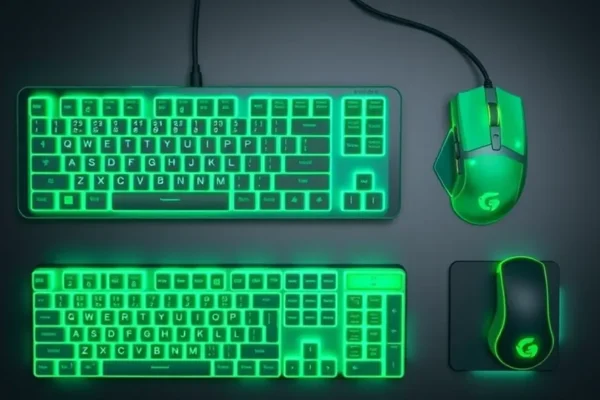
The technical implementation involves using specialized molds that maintain the clarity of the plastic while ensuring the structural durability required for high-intensity gaming. While the translucent OG green look is purely aesthetic, it is bolstered by the high-performance internals characteristic of current gaming peripherals. The Razer Basilisk V3 Pro included in the collection, for instance, retains its advanced optical sensors and multi-zone lighting, simply wrapped in a chassis that evokes the early console era. This ensures that the user does not sacrifice the responsiveness expected of competitive equipment for the sake of retro style.
Real World Applications and Availability
Currently, these gaming peripherals are positioned as high-end lifestyle products for the mainstream gaming market. The collection includes the Razer BlackWidow V4, a mechanical keyboard prized for its tactile feedback, and an 8BitDo charging dock, which offers a clutter-free solution for controller management. These tools are designed for the modern desktop setup, where aesthetics play a significant role in user satisfaction.
Regarding availability, Microsoft has signaled a phased rollout to coincide with the anniversary milestones. These items are produced as limited edition Xbox hardware, meaning they are manufactured in smaller batches compared to standard-run devices. Potential buyers can expect to find these through primary retail channels and the official Xbox store. Given the limited production nature of such collectible gaming gear, the rollout is targeted specifically at the core audience already invested in the ecosystem, rather than a broad-market utility release.
The Competitive Landscape of Collectible Peripherals
The market for boutique hardware is crowded. Brands like Logitech and SteelSeries frequently partner with game studios to release limited edition skins or branded hardware. However, Microsoft’s approach with the Xbox 25th anniversary collection differs by focusing on a holistic brand aesthetic—the “OG Green” theme—rather than just slapping a logo on an existing product.
Compared to rivals, Microsoft has a distinct advantage: ownership of the software and the ecosystem. Because they produce both the console and the brand identity, they can ensure a cohesive look across various categories, including third-party partnerships with companies like Razer and 8BitDo. While competitors offer superior technical specs in certain niche categories, the Halo 25th anniversary accessories benefit from an “integrated experience” where the keyboard, mouse, and charging hardware all belong to a unified, limited-edition visual language.
Impact on Industry and User Culture
This release reflects a broader shift in consumer behavior where hardware is viewed as a piece of interior decor as much as a tool. As gaming becomes more integrated into the living room and home office, users are increasingly sensitive to the aesthetic impact of their peripherals. This trend encourages manufacturers to move away from the “all-black plastic” standard that dominated the 2010s.
Economically, this strategy allows companies to command a price premium on hardware that would otherwise be considered a commodity. By leaning into limited edition releases, Microsoft creates a sense of scarcity that stabilizes the market value of their gear. Socially, it builds community identity; using specific, anniversary-branded items signals a long-term dedication to the gaming hobby. Over the short term, this will likely lead to more collaborations between console manufacturers and peripheral makers. In the long term, we may see a more permanent shift toward customizable, modular hardware designs that allow users to swap aesthetics more easily.
Limitations and Challenges
It is important to acknowledge that this release is not a technological breakthrough. The internal tech within the Razer Basilisk V3 Pro or the 8BitDo charging dock remains standard for the industry. The primary drawback here is the cost and availability; limited edition goods often trigger secondary market speculation, making them inaccessible to the average player. Furthermore, translucent plastics are notoriously difficult to manufacture without introducing stress fractures or cloudy imperfections, which poses a quality control challenge for mass production.
Additionally, while these peripherals are functional, they serve a narrow aesthetic taste. If the “translucent green” look falls out of favor, the product’s value as a design piece diminishes. There is also the reality that peripheral tech evolves rapidly. While the anniversary gear is top-tier today, newer sensors and wireless technologies will eventually make these models obsolete in terms of pure performance, even if they remain valuable as collector’s items.
The Future of Hardware Design
The trajectory for gaming peripherals is moving toward deeper levels of personalization. We are likely to see more modular hardware that allows users to change shells or components without replacing the entire device. This aligns with modern sustainability efforts, as users would only need to swap specific parts rather than discard entire units.
The 25th-anniversary collection is a testing ground for how much consumers value brand heritage in their physical hardware. If this collection performs well, it is highly probable that future Xbox hardware iterations will incorporate similar “heritage” editions by default, perhaps offering translucent or modular casing options as a standard choice rather than an occasional, limited-time perk. We expect to see more partnerships between software developers and hardware manufacturers in the next 24 to 36 months to capitalize on these nostalgia-driven design cycles.
Frequently Asked Questions
Is this Xbox 25th anniversary collection purely cosmetic?
Yes, the internal performance of the Razer and 8BitDo devices remains consistent with their standard high-end counterparts. The primary innovation here is the application of the translucent OG green design to modern gaming hardware.
Who benefits most from these Halo 25th anniversary accessories?
The primary beneficiaries are long-term fans of the brand who value the history of Xbox and desire a cohesive, thematic aesthetic for their gaming setup. It serves as both a functional tool and a display-worthy piece for collectors.
Is this limited edition Xbox gear compatible with all systems?
Most of the peripherals included in the collection, such as the Razer Basilisk V3 Pro, are compatible with PC and Xbox Series X consoles via standard wireless or wired connections. However, users should verify compatibility for specific console-only features before purchasing.
What are the risks associated with this type of collectible hardware?
The main risks include secondary market price inflation and the potential for manufacturing defects common with complex translucent plastic molding. Additionally, as with all electronic peripherals, these will eventually be superseded by newer technical standards.
How long will these limited edition items be available?
Microsoft has not specified a hard end-date for production, but as a limited edition run, availability will cease once the initial manufacturing batch is depleted. Interested users should monitor major retailers for drop dates to avoid relying on high-priced aftermarket sales.
Note: This article is based on recent product announcements from Microsoft and third-party manufacturing partners. The technical specifications mentioned refer to the existing performance standards of the Razer Basilisk V3 Pro and BlackWidow V4 series. Market availability is subject to change based on manufacturer production cycles and retail supply constraints.











